Understanding Biofuels and Fossil Fuels
Defining Biofuels – What are biofuels and how are they produced?
In a world teetering on the brink of an energy crisis, the debate over whether biofuels will replace fossil fuels has never been more urgent. Biofuels are renewable energy sources derived from organic materials, offering a promising alternative to traditional fossil fuels. Unlike coal, oil, or natural gas, biofuels are produced through biological processes such as fermentation or transesterification, transforming crops like maize, sugarcane, and algae into usable fuel. The appeal lies in their potential to lower carbon emissions and reduce dependency on finite resources.
Understanding biofuels requires recognizing their fundamental nature. They are classified mainly into two categories: first-generation biofuels made from food crops and second-generation biofuels derived from non-food biomass. As the global community seeks sustainable solutions, the question remains — will biofuels replace fossil fuels entirely? The answer hinges on technological advancements, economic factors, and environmental policies that could tip the scale in their favor.
Types of Biofuels – Different categories including ethanol, biodiesel, and advanced biofuels
Understanding biofuels involves more than just knowing they come from organic materials; it’s about recognizing their transformative potential in our energy landscape. Unlike fossil fuels, which are finite and environmentally damaging, biofuels are renewable and can significantly cut carbon emissions. In South Africa, where energy security remains a pressing concern, the shift toward biofuels is gaining momentum. But the question remains: will biofuels replace fossil fuels entirely?
Biofuels come in various forms, each suited to different applications and technological capabilities. The most common types include ethanol and biodiesel, which are already integrated into many fuel blends worldwide. Ethanol, primarily produced from maize or sugarcane, is often blended with gasoline to reduce reliance on traditional fuels. Biodiesel, derived from vegetable oils or animal fats, can power diesel engines with minimal modifications. Beyond these, advanced biofuels are emerging—made from non-food biomass like algae or agricultural waste—offering even greater sustainability and efficiency.
- First-generation biofuels: Made from food crops like maize and sugarcane.
- Second-generation biofuels: Produced from non-food biomass such as crop residues and woody materials.
- Third-generation biofuels: Derived from algae, promising higher yields and lower land use.
Each category underscores the ongoing evolution in biofuel technology — a necessary step if we’re to see a genuine shift away from fossil fuels. The scalability of these options and the political will to support them are critical in determining whether biofuels will replace fossil fuels on a broad scale in South Africa and beyond.
Overview of Fossil Fuels – Types such as coal, oil, and natural gas and their global significance
Fossil fuels—coal, oil, and natural gas—have powered global development for over a century. These finite resources have shaped economies and fueled industries, but their environmental toll is undeniable. Burning coal releases high levels of carbon dioxide, while oil and natural gas contribute significantly to air pollution and climate change. Globally, fossil fuels remain the backbone of energy consumption, yet their long-term sustainability is increasingly questioned.
As the world seeks cleaner alternatives, the question arises: will biofuels replace fossil fuels? The potential is promising, especially with advancements in biofuel technology. South Africa, with its pressing energy security concerns, is exploring this shift. The transition hinges on whether biofuels can match the scalability and energy density of fossil fuels, and if political support can accelerate their adoption.
Current Global Energy Landscape
Reliance on Fossil Fuels – Statistics and trends in fossil fuel consumption worldwide
The global energy tapestry is woven with threads of dependency and promise, yet the dominance of fossil fuels remains undeniable. Despite the rising chorus of environmental concerns, statistics reveal that approximately 84% of the world’s energy consumption still derives from coal, oil, and natural gas. This reliance fuels not only economies but also the relentless march of climate change, casting a long shadow over future generations. The trends suggest a slow but steady pivot—renewable sources are gaining momentum, yet fossil fuels continue to underpin the world’s energy infrastructure with unwavering resilience.
As nations grapple with the urgent need for sustainable alternatives, the question lingers like a whisper in the wind: will biofuels replace fossil fuels? While the shift appears inevitable, it remains a complex dance of technological innovation, economic investment, and policy commitment. The road ahead is fraught with challenges but also illuminated by the hope of a cleaner, greener horizon—where biofuels might one day step into the spotlight and redefine our energy destiny.
Environmental Impact of Fossil Fuels – Greenhouse gas emissions, pollution, and climate change implications
The global energy landscape teeters at a pivotal crossroads, where the shadows of fossil fuel dependence cast a pall over our planet’s future. The environmental impact of fossil fuels is profound—emitting staggering greenhouse gases that trap heat and accelerate climate change. Every barrel of oil burned releases carbon dioxide, a silent but relentless villain in our ecological story. Pollution from coal mining, oil spills, and natural gas extraction further scars ecosystems and endangers communities, especially in regions like South Africa where energy demands surge daily.
Amid this somber tableau, the question persists: will biofuels replace fossil fuels? As technological innovation accelerates, the potential for biofuels to serve as a sustainable alternative grows brighter. Unlike their fossil counterparts, biofuels are crafted from renewable biological sources, offering a cleaner, more environmentally friendly energy solution. While challenges remain, such as scalability and feedstock availability, the momentum towards adopting biofuels is undeniable. It’s a dance of hope and pragmatism—one that could reshape our energy destiny and mitigate the ecological toll wrought by fossil fuels.
Rise of Renewable Energy Sources – Role of solar, wind, and bioenergy in the energy mix
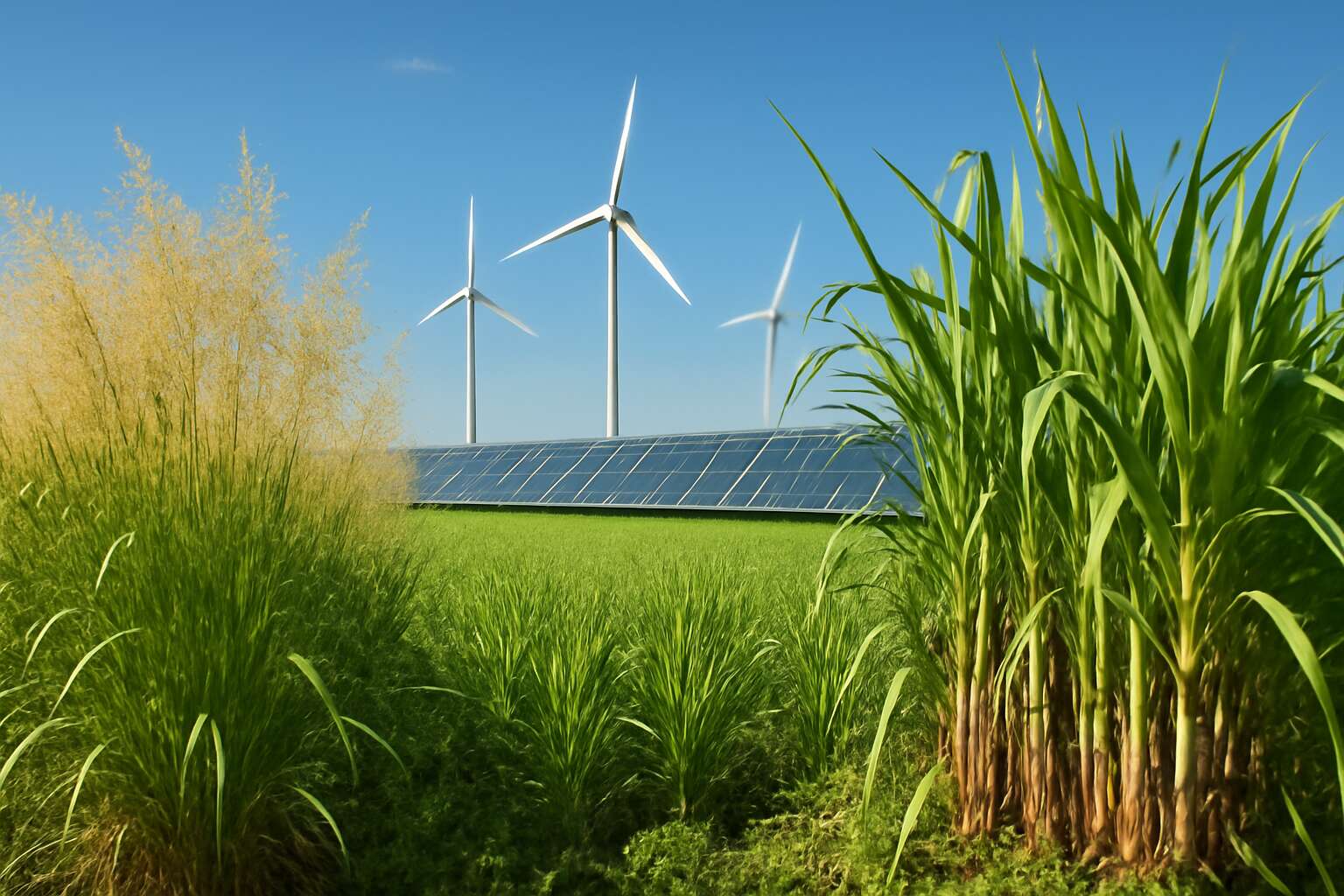
The global energy landscape is undergoing a profound transformation, driven by the urgent need for sustainable alternatives to traditional fossil fuels. Today, renewable energy sources like solar, wind, and bioenergy are increasingly taking center stage, reshaping how nations meet their power demands. In South Africa, where energy security is a persistent challenge, these clean energy options are more than just buzzwords—they’re vital components of a resilient future.
Solar and wind power have experienced exponential growth, harnessing nature’s bounty to generate electricity with minimal environmental impact. Meanwhile, bioenergy—derived from organic matter—serves as a versatile and renewable resource. As technology advances, biofuels are emerging as a promising solution to reduce reliance on fossil fuels, especially in sectors like transportation and industry. This increasing integration of renewable energy sources into the global energy mix fuels the question: will biofuels replace fossil fuels? The answer hinges on innovations that can overcome current scalability challenges and feedstock limitations.
In a world where the quest for energy independence becomes ever more urgent, the role of bioenergy cannot be overstated. It not only offers a sustainable alternative but also presents an opportunity to reimagine our relationship with nature—transforming waste into fuel and fostering a circular economy. As the momentum towards renewable energy accelerates, it’s clear that biofuels, alongside solar and wind, are steering us toward a more sustainable and resilient energy future.
Advantages of Biofuels as a Fossil Fuel Alternative
Environmental Benefits – Reduced carbon footprint and sustainability aspects
As the world grapples with the urgent need to curb climate change, the promise of biofuels as a sustainable alternative to fossil fuels shines brighter than ever. In South Africa, where energy security remains a critical challenge, biofuels offer a glimmer of hope for a cleaner, greener future. Their environmental benefits extend beyond mere energy production; they significantly reduce greenhouse gas emissions and foster rural development by creating new economic opportunities for small-scale farmers.
Furthermore, biofuels contribute to a more resilient energy landscape. Unlike fossil fuels, which are finite and often imported, biofuels are renewable and can be produced locally, decreasing reliance on imported energy sources. This shift not only mitigates pollution but also aligns with global efforts to promote sustainability. As discussions intensify around whether biofuels will replace fossil fuels, their potential to transform our energy systems while protecting our environment becomes undeniably compelling.
Economic Opportunities – Job creation, rural development, and energy security
As the world seeks sustainable energy solutions, the question of will biofuels replace fossil fuels is gaining momentum. Beyond environmental concerns, biofuels are emerging as a vital driver of economic growth, especially in regions like South Africa where rural communities often face economic hardship. They create a pathway for local job opportunities and foster rural development by utilizing agricultural resources that might otherwise go underused.
In fact, biofuel production can stimulate employment across the entire supply chain, from feedstock cultivation to processing and distribution. This not only reduces unemployment but also encourages diversification of local economies. For South Africa, embracing biofuels means boosting energy security while empowering small-scale farmers and rural entrepreneurs. It’s a strategic move that aligns economic resilience with environmental sustainability, making the transition away from fossil fuels both practical and impactful.
Energy Security and Independence – Reducing dependency on imported fossil fuels
Energy security is a pressing concern for South Africa. Relying heavily on imported fossil fuels exposes the nation to price volatility and supply disruptions. Will biofuels replace fossil fuels? The answer hinges on their potential to boost local production and independence. By developing bioenergy sources, South Africa can reduce its dependency on fossil fuel imports. This shift not only stabilizes energy costs but also strengthens national resilience.
Biofuels offer a strategic advantage—diversifying the energy mix and fostering self-sufficiency. Unlike finite fossil resources, biofuels are renewable and can be produced domestically from agricultural feedstocks. This transition can significantly enhance energy independence, empowering local communities and creating a sustainable energy landscape. The question remains open, but the momentum suggests biofuels are poised to become a vital component of South Africa’s energy future.
Challenges and Limitations of Biofuels
Feedstock Availability – Competition with food production and land use concerns
Amid the compelling discourse on energy transformation, a significant obstacle looms large: the challenge of feedstock availability for biofuels. While the promise of biofuels replacing fossil fuels sparks optimism, the reality is far more nuanced. The core dilemma revolves around the competition for land—an arena where food security and energy needs collide with relentless intensity.
In many regions, especially within South Africa, expanding biofuel crops can inadvertently escalate land use concerns. Cultivating feedstocks such as maize or sugarcane for biofuel production often competes directly with land designated for food crops, intensifying food insecurity and ecological strain. This delicate balancing act underscores a critical question: will biofuels replace fossil fuels without exacerbating these conflicts?
- Limited arable land availability
- Potential rise in food prices due to crop diversion
- Environmental impact of large-scale monoculture farming
As these issues intertwine, the debate intensifies over whether biofuels can truly become a sustainable alternative. The constraints on feedstock supply reveal that the pathway to replacing fossil fuels is riddled with complex, often conflicting, demands—demand that must be navigated with ingenuity and foresight.
Economic Viability – Cost competitiveness with fossil fuels
The economic viability of biofuels remains one of the most persistent hurdles in the quest to determine whether biofuels will replace fossil fuels. Despite the environmental appeal, the high production costs of biofuels, especially advanced varieties, often make them less competitive than traditional fossil fuels. In many cases, the price gap is influenced by the sheer cost of cultivating feedstocks and refining processes, which are still evolving and can be unpredictable.
Furthermore, fluctuations in global oil prices significantly impact the market dynamics. When crude oil prices drop, biofuels struggle to stay afloat economically, making large-scale adoption difficult without substantial subsidies or policy support. For biofuels to truly replace fossil fuels, they must achieve cost parity, a feat that remains elusive with current technology and supply chain constraints.
- High feedstock cultivation costs
- Market volatility in fossil fuel prices
- Need for technological breakthroughs to reduce production expenses
Until these economic barriers are addressed, the promise of biofuels replacing fossil fuels continues to face an uphill battle. The journey toward sustainable, affordable bioenergy demands not just innovation but also a careful calibration of economic realities and environmental goals—an intricate dance that South Africa, and the world, are still learning to master.
Technological Barriers – Efficiency issues and scalability of biofuel technologies
The promise of biofuels transforming the energy landscape hinges on overcoming significant technological barriers. While the concept of replacing fossil fuels with bioenergy is enticing, current efficiency issues pose a substantial hurdle. Many biofuel technologies are still in their infancy, struggling to scale up to meet industrial demands. This limitation hampers their ability to compete with the well-established infrastructure supporting fossil fuels.
Efficient conversion processes are vital, yet complex chemical reactions and suboptimal feedstock utilization often lead to lower yields. Additionally, the scalability of biofuel production remains a matter of concern. Small-scale operations cannot easily transition into large-volume supply chains without considerable technological breakthroughs. For instance, advanced biofuels derived from algae or cellulosic biomass show promise but require innovative processing methods to unlock their full potential.
In essence, without significant advancements in biofuel efficiency and scalability, the path to replacing fossil fuels remains fraught with challenges. The journey demands relentless innovation and investment, especially in South Africa, where resource constraints make technological development even more critical. The question persists—will biofuels replace fossil fuels? Only if these technological obstacles are conquered, paving the way for a sustainable energy future.
Technological Innovations and Future Outlook
Second-Generation and Advanced Biofuels – Lignocellulosic, algae-based, and other emerging technologies
Technological innovations are propelling the future of biofuels beyond traditional options. Second-generation biofuels, such as lignocellulosic ethanol derived from crop residues and woody biomass, are gaining momentum due to their ability to utilize non-food feedstocks. These advancements address land use concerns and improve sustainability. Similarly, algae-based biofuels hold promise because algae can produce high yields with minimal land and freshwater, making them a game-changer in the transition away from fossil fuels.
Emerging technologies are also focusing on converting waste materials into biofuels, further reducing reliance on fossil fuels. These innovations could dramatically enhance scalability and economic viability. As these technologies mature, many experts believe that will biofuels replace fossil fuels is not just possible but inevitable. The rapid evolution of second-generation and algae-based biofuels signals a shift toward a cleaner, more sustainable energy landscape for South Africa and beyond.
Policy and Regulatory Frameworks – Government incentives, mandates, and international agreements
As nations worldwide pivot toward a sustainable energy future, the role of technological innovations becomes increasingly pivotal. Breakthroughs in biofuel research, especially in second-generation and algae-based technologies, are shaping a landscape where renewable energy sources could eclipse traditional fossil fuels. These advancements not only enhance efficiency but also address pressing land use concerns, making biofuels more sustainable and scalable than ever before.
Government policy frameworks play a crucial role in this transition. Incentives such as tax credits, subsidies, and mandates stimulate investment in biofuel infrastructure. International agreements, like the Paris Accord, reinforce commitments to reduce greenhouse gas emissions—further propelling the adoption of biofuels. For example, South Africa’s strategic policies are increasingly aligning with global efforts to foster a cleaner energy mix, raising the question: will biofuels replace fossil fuels? The answer hinges on a robust regulatory environment that encourages innovation and market penetration.
In many regions, policymakers are leveraging a combination of regulatory support and technological progress to accelerate the deployment of biofuels. This includes establishing renewable fuel standards, which mandate blending levels, and creating favorable conditions for private sector investment. As these measures take hold, the future landscape appears increasingly promising for biofuels to become a dominant energy source.
Research and Development – Ongoing efforts to improve efficiency and sustainability
As the world races towards a greener horizon, technological innovation stands at the forefront of this energy revolution. Breakthroughs in second-generation and algae-based biofuel technologies are not just science fiction—they are rapidly becoming the real deal. These advancements promise to improve efficiency while minimizing land use concerns, making biofuels a more sustainable and scalable alternative to fossil fuels.
Research and development efforts are relentless, pushing the boundaries of what biofuels can achieve. Innovations such as lignocellulosic conversion and algae cultivation are transforming waste into wealth, offering a glimpse of a future where biofuels could outpace traditional fossil fuels. The focus is increasingly on creating biofuels that are both environmentally friendly and economically viable, addressing one of the biggest hurdles in replacing fossil fuels.
- Enhanced yield rates through genetic engineering of feedstock crops
- Development of cost-effective catalysts for conversion processes
- Scaling up algae biofuel production with innovative photobioreactor designs
With these technological strides, the landscape of renewable energy is becoming more promising. As innovations continue to mature, the question of whether biofuels will replace fossil fuels is shifting from speculative to plausible. It’s a race against time—and technology—where every breakthrough brings us closer to a sustainable energy future that could very well see biofuels leading the charge.
Case Studies and Real-World Examples
Countries Leading in Biofuel Adoption – Brazil, the US, and European nations
Across the globe, nations are experimenting with the transformative potential of biofuels, illuminating a path toward a more sustainable energy future. Brazil, often called the “green energy pioneer,” has integrated bioethanol into its national grid with remarkable success, utilizing vast sugarcane plantations to produce a renewable alternative to gasoline. Their robust biofuel industry exemplifies how proactive policies and agricultural innovation can propel a nation toward energy independence.
Meanwhile, the United States stands as a formidable player, leveraging its expansive corn fields for ethanol production while investing heavily in advanced biofuels derived from algae and lignocellulosic materials. European countries, from Sweden to France, are pushing the boundaries of biofuel technology, blending sustainability with economic vitality. Here, policies incentivize biofuel adoption, fostering a landscape where will biofuels replace fossil fuels becomes increasingly plausible.
In these pioneering nations, the integration of biofuels into the energy mix offers a vivid glimpse into a future where reliance on fossil fuels diminishes. As these case studies demonstrate, the global shift toward bioenergy is not just a theoretical possibility but a tangible, evolving reality rooted in innovation, policy, and resilience. The question remains—will biofuels replace fossil fuels? The blueprint is already unfolding before our eyes.
Successful Biofuel Projects – Public-private partnerships and innovative initiatives
Across the globe, pioneering projects demonstrate that collaboration between public and private sectors can turn the tide toward renewable energy. In Brazil, a public-private partnership transformed sugarcane into a powerhouse of bioethanol, reducing reliance on imported fossil fuels and igniting hope for energy independence. Similarly, in the United States, innovative initiatives harness algae and lignocellulosic materials, pushing the boundaries of what biofuels can achieve.
One compelling example is the European Bioenergy Alliance, which unites governments, research institutions, and industry leaders to accelerate biofuel technology adoption. This collective effort not only advances sustainable practices but also exemplifies how strategic alliances can foster scalable, real-world solutions. These projects—woven with technological innovation and policy support—embody the essence of resilience in the face of global energy challenges.
As these successful biofuel projects show, the future is ripe with possibility. Will biofuels replace fossil fuels? The evidence suggests that, with continued investment and ingenuity, this transition is not just a distant dream but an unfolding reality. The blueprint for a cleaner, more sustainable energy landscape is already taking shape—one innovative project at a time.
Lessons Learned – Challenges faced and solutions implemented
Real-world case studies reveal both the promise and the hurdles on the path toward replacing fossil fuels with biofuels. One notable example is Brazil’s sugarcane ethanol project, which demonstrated how strategic public-private partnerships can turn a traditional crop into a sustainable energy source. However, challenges such as land use competition and technological efficiency remain. Solutions like advanced biofuel technologies—such as lignocellulosic ethanol and algae-based fuels—are emerging to address these issues.
In the United States, pioneering efforts harness algae’s rapid growth cycle to produce high-yield biofuels, showcasing innovative solutions to scalability concerns. Meanwhile, the European Bioenergy Alliance underscores the importance of collaborative policy and research initiatives in accelerating biofuel adoption. These lessons learned emphasize that technological innovation must go hand in hand with thoughtful regulation to overcome economic and environmental challenges.
- Addressing feedstock competition with food production
- Improving biofuel conversion efficiency through technological advancements
- Ensuring economic viability in a competitive energy market
Each of these hurdles has prompted inventive solutions, proving that transition pathways are complex but achievable. As these case studies illustrate, the question of whether biofuels will replace fossil fuels is less about inevitability and more about strategic perseverance—an unfolding narrative shaped by ongoing innovation and collaboration. The evidence suggests that, with sustained effort, the shift toward a renewable energy future is not only possible but increasingly imminent.
Conclusion
Balancing Pros and Cons – Assessing the realistic potential of biofuels to replace fossil fuels
As the debate intensifies over whether biofuels will replace fossil fuels, understanding the balance of their advantages and limitations becomes crucial. Biofuels offer a compelling pathway towards reducing carbon emissions and fostering sustainable energy solutions, especially in regions like South Africa where energy security is paramount. However, the journey to replacing fossil fuels is fraught with challenges that can’t be ignored. Technological barriers, such as scalability and efficiency, continue to hinder widespread adoption, while concerns about feedstock competition with food production raise questions about long-term viability.
Despite these hurdles, advancements in second-generation biofuels—like algae-based fuels and lignocellulosic ethanol—are promising. These innovations could tip the scales, but only if supported by robust policy frameworks and ongoing research. The question remains: will biofuels replace fossil fuels in the foreseeable future? The answer hinges on a nuanced assessment of their environmental, economic, and technological potential, making it clear that a transition is complex but not impossible. The future of energy may depend on whether these emerging biofuel technologies can overcome their current limitations and truly unlock their promise.
Integrated Energy Strategies – Combining biofuels with other renewable sources for a sustainable future
Creating a sustainable energy future requires more than just relying on biofuels alone. Integrating biofuels with other renewable energy sources such as solar and wind can forge a resilient and adaptable energy matrix. This approach ensures a more reliable supply while reducing dependence on fossil fuels, which dominate South Africa’s current energy landscape.
By combining various renewable technologies, policymakers and industry leaders can address some of the technological and economic hurdles faced by biofuels. For instance, solar and wind power can complement biofuel production by providing the necessary energy for processing and refining, ultimately making the entire system more efficient. This synergy could accelerate the transition towards a greener energy framework that doesn’t solely depend on whether biofuels will replace fossil fuels.
Ultimately, a diversified energy portfolio that includes biofuels, renewable electricity, and emerging technologies promotes energy security and sustainability. Such integrated strategies do not just answer whether biofuels will replace fossil fuels—they forge a broader pathway toward a resilient, low-carbon future for South Africa and beyond. After all, the future of energy hinges on our ability to blend these sources seamlessly, rather than relying on any single solution alone.


0 Comments