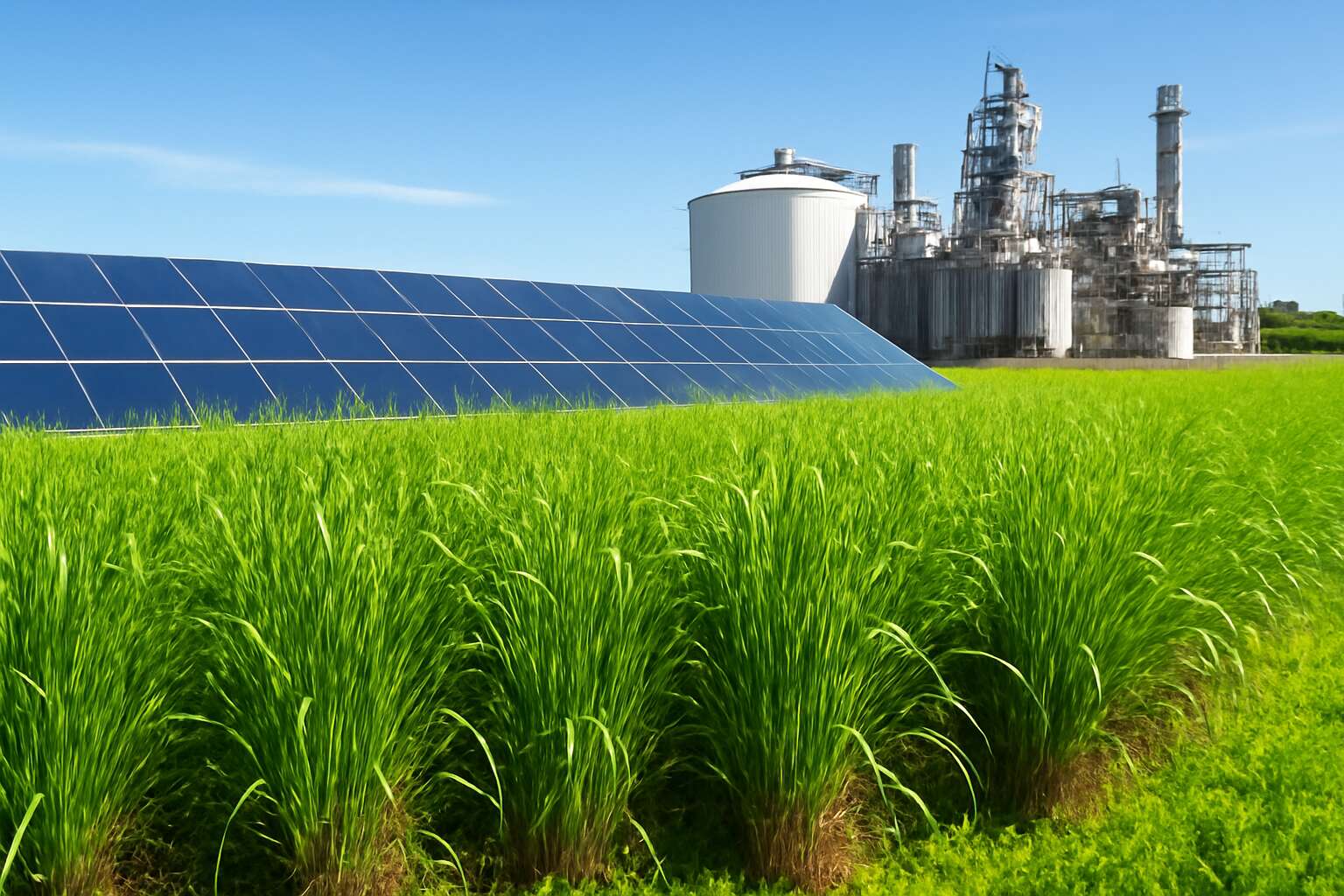
Understanding Biofuels and Their Types
What Are Biofuels? – Definition and Overview
Biofuels are often hailed as a promising alternative to traditional fossil fuels, especially in regions like South Africa where energy needs are rapidly expanding. But what exactly are biofuels? Simply put, they are renewable energy sources derived from organic materials such as crops, waste, and algae. Their appeal lies in their potential to reduce greenhouse gas emissions and lessen dependence on finite fossil fuels.
Understanding the different types of biofuels is crucial when assessing if they are truly better for the environment. The two main categories are bioethanol and biodiesel. Bioethanol is typically made from fermenting crops like maize or sugarcane, while biodiesel is produced through the chemical transformation of vegetable oils or animal fats. Both serve as cleaner alternatives for powering vehicles, but their environmental impact can vary based on how they are produced.
- First-generation biofuels are made from food crops, which can raise concerns about food security.
- Second-generation biofuels utilize non-food biomass, reducing pressure on food supplies.
- Third-generation biofuels, derived from algae, promise higher yields with less land use.
In the end, the question remains: are biofuels better for the environment? While they offer a pathway toward cleaner energy, their sustainability depends on factors like land use, crop management, and technological advancements. The journey toward eco-friendly alternatives continues, driven by both hope and innovation in rural communities and beyond.
Common Types of Biofuels – Bioethanol, Biodiesel, and Advanced Biofuels
Understanding biofuels involves recognizing their different types and how they impact the environment. Bioethanol, the most common biofuel, is made by fermenting crops like maize and sugarcane. It’s widely used in South Africa as a cleaner alternative to petrol, but its production can sometimes raise concerns about food security. Biodiesel, on the other hand, is derived from vegetable oils or animal fats. It’s often blended with diesel to lower emissions and reduce reliance on fossil fuels.
Advanced biofuels are gaining attention for their potential to deliver higher energy yields with less land use. These include biofuels produced from algae, which can grow rapidly and do not compete with food crops. The key question remains: are biofuels better for the environment? The answer depends on technological advances and sustainable practices. While they offer a promising pathway to cleaner energy, their true environmental impact hinges on responsible production methods and land management.
How Biofuels Are Produced – Sources and Manufacturing Processes
Understanding biofuels is like unlocking a secret doorway to a cleaner, greener future. These renewable energy sources are produced from a variety of raw materials, each with its own story to tell. At the heart of their magic is the process of transforming natural resources into fuels that can power everything from cars to factories. The core question remains—are biofuels better for the environment? To truly grasp their impact, it’s essential to explore the sources and manufacturing processes behind these fuels.
Biofuels are primarily derived from biomass, which can include crops like maize and sugarcane, as well as non-food sources such as algae and agricultural waste. The manufacturing process often involves fermentation or chemical conversion, turning raw materials into usable fuels. For example, bioethanol is produced by fermenting sugars, while biodiesel is made through a chemical reaction called transesterification involving vegetable oils or animal fats.
- First, crops or algae are cultivated, often requiring specific land and water resources.
- Next, these raw materials undergo extraction or fermentation to produce biofuels.
- Finally, refining processes ensure the fuels meet quality standards for use in engines or power plants.
In South Africa, the focus on sustainable practices is more vital than ever, as the quest for renewable energy sources grows. The production of biofuels must carefully balance environmental benefits with resource management to truly answer—are biofuels better for the environment? The answer hinges on how responsibly they are produced and the innovations shaping their future.
Environmental Benefits of Biofuels
Reduction in Greenhouse Gas Emissions – Comparing Biofuels and Fossil Fuels
Greenhouse gas emissions have long been the enemy in the fight against climate change. When examining whether biofuels are better for the environment, one of the most compelling factors is their potential to significantly reduce these emissions. Unlike fossil fuels, which release high levels of carbon dioxide during combustion, biofuels can help create a more sustainable energy landscape. This is because the carbon released when biofuels are burned is largely offset by the carbon absorbed during the plants’ growth cycle, making their net impact more balanced.
In fact, studies indicate that biofuels can lower greenhouse gas emissions by up to 50-80%. This stark contrast to fossil fuels highlights their role in mitigating environmental damage, especially in regions like South Africa, where energy demands are soaring. Additionally, advanced biofuels made from waste biomass or algae offer even greater reductions, pushing the boundaries of what it means to be environmentally friendly. The question remains—are biofuels better for the environment? The evidence suggests they hold a crucial advantage, especially when integrated into a comprehensive renewable energy strategy.
Carbon Neutrality of Biofuels – The Concept and Its Limitations
At the heart of the debate surrounding sustainable energy lies the concept of carbon neutrality—a term often associated with biofuels. The idea suggests that biofuels can be considered nearly climate-neutral because the carbon dioxide released during their combustion is offset by the CO2 absorbed during plant growth. This cycle creates a poetic harmony, a dance of life and energy that promises a greener future. However, this ideal is not without its limitations. In reality, factors such as land use changes, cultivation practices, and processing emissions can erode some of these environmental benefits.
Despite these complexities, biofuels still stand out as a more environmentally conscious choice. They reduce reliance on fossil fuels and help curb pollution, especially in regions like South Africa, where energy demands are soaring. It’s crucial to recognize that the promise of carbon neutrality is most potent when biofuels are produced responsibly—using waste biomass or algae, which minimize land use impacts.
- Utilizing waste products
- Developing advanced biofuels
- Implementing sustainable cultivation practices
These strategies amplify their environmental benefits and bring us closer to a truly sustainable energy landscape.
Renewable Nature of Biofuels – Sustainable Resource Use
Imagine harnessing the energy of the sun and wind, not just for today but for generations to come. This is the promise of biofuels—renewable resources that can help transform our energy landscape. Unlike finite fossil fuels, biofuels are made from organic materials that can be replenished, making them a truly sustainable energy source. Their ability to be produced repeatedly from crops, waste, or algae offers a pathway toward a greener, healthier future.
What makes biofuels stand out is their potential to reduce reliance on fossil fuels while actively supporting local economies. In regions like South Africa, where energy demands are surging, utilizing biofuels can help bridge the gap between development and environmental stewardship. Moreover, the use of waste biomass and algae not only minimizes land use impacts but also turns waste into valuable energy, fostering a circular economy. As we ponder, “are biofuels better for the environment,” their renewable nature and capacity to mitigate pollution make them a compelling option for a cleaner planet.
Improved Air Quality – Lower Emissions of Harmful Pollutants
When we consider the true impact of our energy choices, the question often arises: are biofuels better for the environment? The answer becomes clearer when we examine their ability to improve air quality. Unlike fossil fuels, biofuels tend to emit fewer harmful pollutants, significantly reducing toxins like sulfur dioxide and particulate matter that plague our cities and rural landscapes alike.
This reduction in emissions is not just a marginal gain; it’s a profound shift towards cleaner air and healthier communities. Biofuels’ lower release of nitrogen oxides (NOx) also lessens the formation of ground-level ozone, a notorious contributor to respiratory illnesses. It’s a reminder that our energy sources are deeply intertwined with our well-being and the environment’s resilience.
- Reduced particulate matter
- Lower sulfur dioxide emissions
- Decreased nitrogen oxides (NOx)
In regions like South Africa, where air pollution remains an urgent concern, embracing biofuels offers a pathway to breathe easier. As we explore whether biofuels are better for the environment, it’s vital to recognize their role in fostering not just energy sustainability but genuine environmental health—an essential step toward a future where energy and ecology coexist harmoniously.
Environmental Challenges and Concerns
Impact on Land Use and Deforestation – Habitat Loss and Ecosystem Disruption
As the sun dips below the horizon, casting a golden glow over South Africa’s sprawling landscapes, a profound question lingers—are biofuels better for the environment? Behind the promise of cleaner energy lies a shadow of ecological upheaval. The expansion of biofuel crops, driven by the quest for sustainability, often encroaches upon delicate ecosystems, threatening to unravel the intricate tapestry of life that has thrived for centuries.
This relentless pursuit of biomass can lead to significant land use changes, fostering deforestation and habitat loss—an unintended consequence that erodes biodiversity. Forests, once vibrant with the songs of myriad creatures, are sacrificed to make way for monoculture plantations, disrupting ecosystems and displacing wildlife. The delicate balance of nature, so carefully maintained, is at risk of tipping into chaos.
In some regions, the push for biofuel production fuels a cycle of ecosystem disruption, where fertile land is converted into crop fields, leaving behind barren scars. This raises a critical question: are biofuels truly better for the environment when the cost is often paid in ecological integrity? The answer remains nuanced, echoing the complex relationship between human innovation and our planet’s fragile health.
Water Consumption and Pollution – Resource Use and Contamination
As the pursuit of sustainable energy intensifies across South Africa, a crucial question emerges: are biofuels better for the environment? While they promise reduced greenhouse gas emissions, the environmental toll of biofuel production is complex and multifaceted. One pressing concern is water consumption, which can be staggering. Certain biofuel crops, like sugarcane and maize, require vast quantities of water, straining already limited resources in drought-prone regions.
Moreover, water pollution becomes an insidious threat. Fertilizers and pesticides used in cultivating biofuel crops often seep into rivers and groundwater, contaminating vital water supplies and harming aquatic ecosystems. This contamination can lead to algal blooms and ecosystem imbalance, undermining the very sustainability biofuels aim to achieve.
Balancing resource use with environmental health is no small feat. For instance,
- excessive fertilizer runoff
- soil degradation
- water contamination
are common concerns associated with intensive biofuel crop cultivation. These issues cast a shadow over the green promise of biofuels, raising doubts about whether they truly serve as an eco-friendly alternative when the health of water systems and ecosystems is compromised.
Biodiversity Risks – Effects on Local Flora and Fauna
While biofuels are often heralded as a greener alternative to fossil fuels, their impact on biodiversity raises significant concerns. The cultivation of biofuel crops such as sugarcane and maize can inadvertently threaten local flora and fauna. Large-scale monoculture plantations often replace diverse ecosystems, leading to habitat loss that displaces native species and diminishes biodiversity.
This disruption can have cascading effects on the entire ecosystem. As natural habitats shrink, animals lose their homes, and plant diversity declines, weakening ecosystem resilience. In South Africa, where unique biodiversity hotspots like the Cape Floral Region exist, the potential for habitat destruction is especially alarming.
Efforts to expand biofuel production should consider these risks. Implementing sustainable land management practices is vital to minimize ecological damage.
- Preserving native vegetation
- Maintaining ecological corridors
- Promoting crop diversity
These strategies can help strike a balance between energy needs and environmental preservation. So, when questioning if biofuels are better for the environment, understanding their impact on biodiversity is crucial in evaluating their true sustainability.”
Energy Balance and Lifecycle Emissions – Assessing True Sustainability
As the world grapples with the urgent need to reduce carbon emissions, the question persists: are biofuels better for the environment? The answer is complex, layered with trade-offs that often go unnoticed. One of the most pressing concerns revolves around the energy balance and lifecycle emissions associated with biofuel production. While biofuels are promoted for their potential to lower greenhouse gases, their true sustainability hinges on the entire lifecycle—from crop cultivation to fuel combustion.
In many cases, the energy input required for planting, harvesting, and processing biofuels can offset their emissions benefits. For instance, intensive use of fertilizers and water, coupled with machinery emissions, diminish their environmental advantage. A thorough assessment reveals that some biofuels produce only marginally fewer emissions than fossil fuels once these factors are considered. This prompts a vital question—are biofuels truly a greener alternative, or are they merely a partial solution that masks deeper ecological concerns?
- Lifecycle greenhouse gas emissions
- Energy input during cultivation and processing
- Impact on land use and ecosystem disruption
By examining these elements, it becomes clear that the sustainability of biofuels is not absolute. Their energy return on investment varies significantly depending on crop type, location, and farming practices. In South Africa, where land and water are precious resources, the pursuit of biofuel production must be carefully balanced against environmental preservation. Only then can we genuinely answer—are biofuels better for the environment?—with the nuance and depth it demands.
Comparing Biofuels to Traditional Fossil Fuels
Life Cycle Analysis – From Production to Combustion
Compared to traditional fossil fuels, biofuels present a complex tapestry of environmental impacts woven through their entire life cycle. From the moment biomass is harvested to the point of combustion, each stage reveals different environmental footprints. While biofuels often boast lower greenhouse gas emissions, their true sustainability hinges on factors like land use and water consumption.
A comprehensive life cycle analysis (LCA) reveals that producing bioethanol or biodiesel may involve significant land clearing and water use, which can offset some of their environmental benefits. For instance, expanding biofuel crops in sensitive ecosystems might lead to habitat loss and biodiversity risks, raising the question: are biofuels better for the environment?
Some studies highlight that advanced biofuels, derived from waste or non-food crops, are more environmentally friendly. They tend to have a lower impact on ecosystems and water resources. Evaluating the full life cycle underscores that while biofuels offer promising reductions in harmful emissions, careful management is essential to maximize their sustainability.
Economic Impacts – Cost, Accessibility, and Market Dynamics
The debate over whether biofuels are better for the environment often hinges on their economic viability and market influence. As demand for renewable energy sources rises, so does the complexity of their market dynamics. Biofuels tend to be more accessible in regions with abundant agricultural resources, yet their production can drive up costs and influence food prices—creating a moral quandary about resource allocation.
In South Africa, where energy security is critical, the economic impacts of biofuel adoption are multifaceted. A growing industry can stimulate local economies, creating jobs and fostering technological innovation. However, it can also lead to market distortions and dependency on crop yields that fluctuate with climate conditions. Ultimately, the question remains: are biofuels better for the environment when considering their economic footprint? The answer depends on how carefully these markets are managed and whether sustainability is prioritized over short-term gains.
Technological Advancements – Innovations Improving Sustainability
Technological innovation continues to reshape the landscape of biofuels, pushing the boundaries of what is possible in sustainable energy. Breakthroughs in enzyme efficiency, feedstock diversification, and processing techniques have significantly improved the environmental profile of biofuels. These advancements help address concerns about their carbon footprint and resource intensity, making the question of whether biofuels are better for the environment more nuanced than ever before.
New methods such as second-generation biofuel production utilize non-food crops and agricultural waste, reducing pressure on land use and biodiversity. This evolution in technology underscores a vital point: the sustainability of biofuels hinges on continuous innovation. In South Africa, where climate variability impacts crop yields, these innovations could be pivotal in ensuring biofuels serve as a truly eco-friendly alternative to fossil fuels. As research progresses, the line between traditional fossil fuels and biofuels blurs, revealing a future where cleaner energy sources become not just an option but a necessity.
Future of Biofuels and Environmental Impact
Second-Generation and Algae Biofuels – Next-Generation Sustainable Options
As the quest for sustainable energy intensifies, the horizon of biofuels gleams with promising innovations. Among these, second-generation biofuels and algae biofuels emerge as luminous beacons—heralding a future where environmental harmony and fuel production intertwine. These next-generation options are designed to transcend the limitations of first-generation biofuels, reducing conflicts with food crops and alleviating land use pressures. Their cultivation relies on lignocellulosic biomass or microalgae, which thrive on non-arable land and require minimal freshwater—an ecological boon!
Algae biofuels, in particular, hold immense potential; they can produce vastly more fuel per hectare than traditional crops while absorbing carbon dioxide as they grow. This symbiotic relationship with the environment sparks the question—are biofuels better for the environment? Naturally, their advanced forms aim to minimize greenhouse gas emissions and ecological disruption. As research unfurls new technological innovations, these sustainable options inch closer to becoming the vanguard of renewable energy. The future of biofuels, therefore, hinges on their ability to deliver environmental benefits without sacrificing ecological integrity.
Policy and Regulation – Government Incentives and Environmental Standards
As governments worldwide race to curb greenhouse gases, the future of biofuels hinges on more than just technological innovation—it’s about policy and regulation shaping a greener path forward. South Africa, with its rich agricultural landscape and burgeoning renewable energy ambitions, is increasingly scrutinizing whether biofuels are better for the environment. The answer isn’t black and white, but strategic government incentives and environmental standards can tip the scales.
Many nations are implementing policies that promote sustainable biofuel production, such as tax breaks for biofuel manufacturers or mandates for blending biofuels into national fuel supplies. These measures aim to reduce the carbon footprint of transportation while safeguarding ecosystems. For example, setting strict environmental standards ensures biofuel producers minimize land use change and water pollution—key concerns when evaluating whether biofuels are better for the environment.
- Incentives encourage innovation in second-generation and algae biofuels, which have a lower ecological footprint.
- Environmental standards prevent the unintended consequences of biofuel cultivation, like habitat destruction or water depletion.
Ultimately, the debate about whether biofuels are better for the environment depends heavily on how policies are crafted and enforced. When well-regulated, biofuels can serve as a pivotal part of South Africa’s transition to a sustainable energy future—without sacrificing ecological integrity.
Research and Innovation – Emerging Technologies for Better Outcomes
The quest for a sustainable energy future hinges on breakthroughs in biofuel technology, transforming the landscape of environmental impact assessments. Emerging innovations, such as algae-derived biofuels and advanced cellulosic processes, hold the promise of drastically reducing the ecological footprint of bioenergy. These next-generation biofuels are designed to maximize energy output while minimizing land use change and water consumption—two critical factors in determining whether biofuels are better for the environment.
Research into these cutting-edge technologies is ongoing, driven by a global urgency to reconcile energy needs with ecological preservation. For instance, algae biofuels can be cultivated in non-arable water bodies, alleviating pressure on farmland and ecosystems. Simultaneously, breakthroughs in biomass conversion techniques are enabling more efficient extraction of bioenergy from crop residues and waste, further enhancing sustainability.
- Innovations in microbial fermentation to produce biofuels with lower emissions
- Genetic engineering of feedstocks for higher yield and resilience
- Development of integrated biorefineries that optimize resource use and waste recycling
While these technological strides are promising, the debate about whether biofuels are better for the environment remains nuanced. The true potential of these emerging technologies depends heavily on rigorous research, strategic implementation, and vigilant environmental standards—elements vital for turning scientific promise into sustainable reality.
Balancing Benefits and Drawbacks – Making Informed Decisions
The future of biofuels hinges on striking a delicate balance. As nations seek cleaner energy options, the question remains: are biofuels better for the environment? Emerging technologies like algae-derived biofuels and advanced cellulosic processes suggest promising strides toward sustainability. These innovations aim to maximize energy output while reducing land use change and water consumption—two critical environmental factors.
However, the landscape is complex. While some biofuels offer significant greenhouse gas reductions, others carry risks like habitat loss or water pollution. The sustainability of biofuels depends on rigorous research, strategic deployment, and strict environmental standards. Only then can they truly become an eco-friendly alternative. It’s essential to evaluate each technology’s lifecycle and broader ecological impact to determine if biofuels are the better choice for our planet.

0 Comments