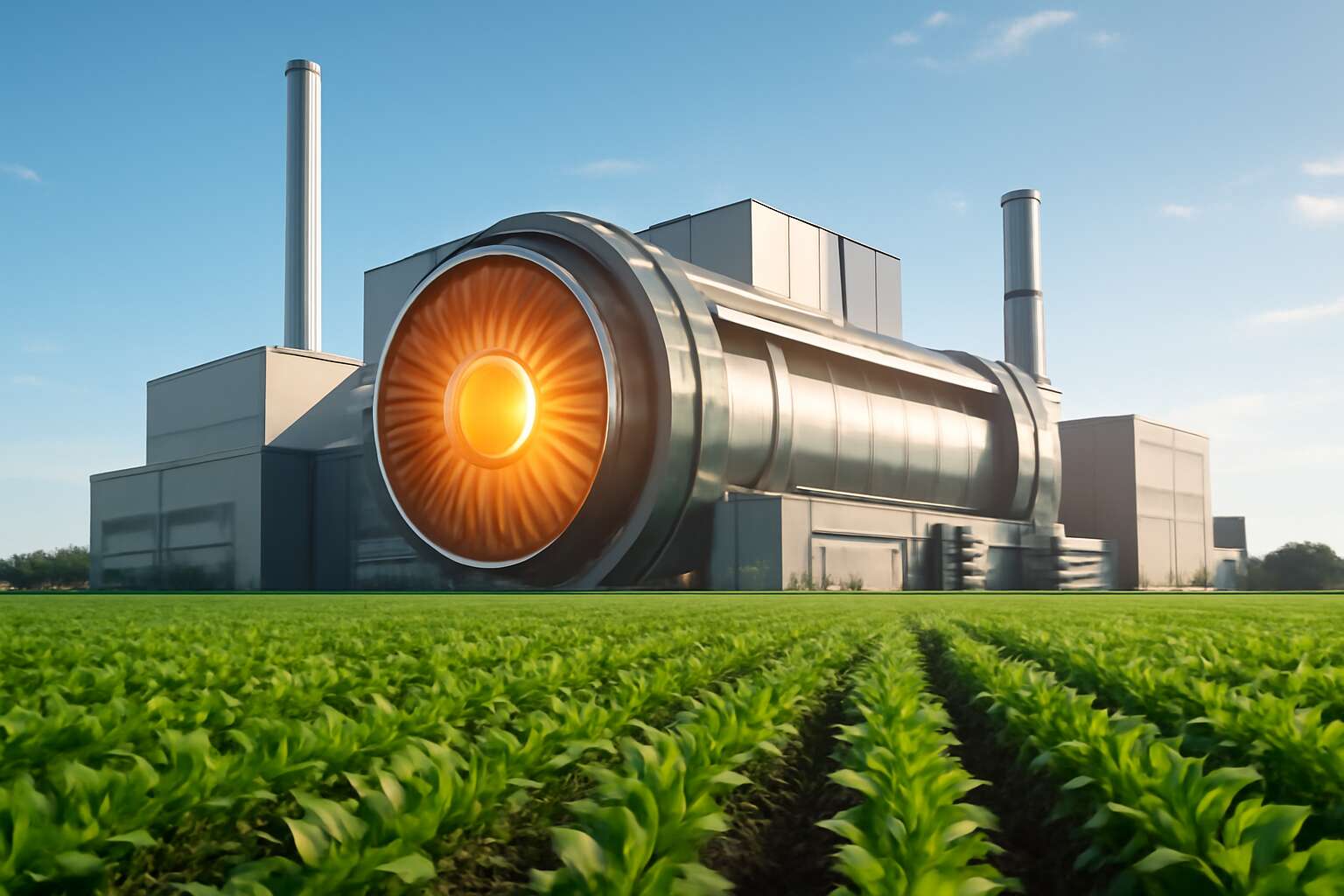
Biofuels in electricity generation: an overview
What biofuels are suitable for power generation
Power landscapes shift when sunlight, wind, and biomass share the stage. In South Africa’s grid, biofuels offer a patient, storable energy option that can cushion peaks and stabilise supply. can biofuels be used to generate electricity? The answer lies in their versatility: fuels carved from agricultural residues, forestry waste, and organic leftovers can be burned to drive steam turbines or fermented into biogas that powers gas engines.
Here are the primary options favored in SA projects:
- Biogas from anaerobic digestion of agricultural or food waste
- Biomass pellets and chips from forestry residues and cane bagasse
- Biodiesel and biodiesel blends for dual-fuel engines at nearby plants
With careful feedstock management and modern conversion tech, these fuels can bolster reliability while trimming emissions. Local pilots using bagasse and leftover orchard prunings show how a flexible, homegrown energy stream might coexist with renewables on the grid.
Conversion pathways for electricity production from biofuels
South Africa’s energy mix is evolving, and bioenergy stands out as a stabilising thread. A recent grid study noted that flexible bioenergy can shave peak demand during evening load surges by up to 15%, keeping lights on when sunshine wanes and wind dips. That immediacy matters for a grid dominated by renewables with intermittent output.
Conversion pathways for electricity production from biofuels blend biochemical and thermochemical routes. Biochemical paths yield biogas for gas engines; thermochemical routes convert solid residues into steam cycles that drive turbines; and biodiesel blends feed dual-fuel burners in nearby facilities. The question “can biofuels be used to generate electricity” is answered by the fact that these fuels can be integrated at different scales, from microgrids to larger plants, delivering power with lower emissions.
- local feedstock networks that shorten supply chains
- modular conversion tech that scales with demand
- policy alignment with grid stability goals and storage readiness
In pilots across cane fields and fruit orchards, these routes hint at a homegrown energy stream that complements renewables rather than competing with them.
Efficiency, reliability, and capacity factors in bioelectric systems
Lights flicker and then settle as South Africa’s grid leans on a quiet ally: bioenergy that responds in real time!
A grid study notes flexible bioenergy can shave peak demand during evening load surges by up to 15%, a reliability boost when sunshine wanes and wind dips. The question “can biofuels be used to generate electricity” finds a pragmatic answer in systems designed for efficiency, reliability, and favorable capacity factors.
- Waste-heat recovery and combined heat-and-power configurations raise overall efficiency.
- Hybrid cycles with gas turbines or engines improve ramp rates and capacity factors.
- Local feedstock networks and modular tech enhance reliability and resilience under grid stress.
Across cane fields and orchards, these setups hint at a homegrown energy stream that strengthens renewables rather than competing with them.
Economic and environmental trade-offs of bioelectricity
South Africa’s grid is a mosaic of aging coal plants and weather-driven variability. Bioenergy, when designed for flexibility, can smooth demand and provide a reliable bridge to a low-carbon future. When people ask can biofuels be used to generate electricity, the answer hinges on scale, feedstock, and policy. Smart, waste-heat focused plants balance peak load and pair with solar and wind for real-time resilience.
Economic and environmental trade-offs shape the case for bioelectricity. Locally sourced feedstocks can bolster jobs and rural development, but they compete with land, water, and biodiversity. Lifecycle emissions matter: must be lower than fossil benchmarks to deliver genuine climate gains. Technologies such as combined heat and power and modular designs influence both cost and air quality.
- Local jobs and community benefits
- Land, water use, and biodiversity impacts
- Lifecycle emissions vs fossil benchmarks and energy security
Policy, incentives, and market dynamics shaping adoption
South Africa’s grid is pivoting on policy clarity that unlocks billions in investment and smooths the transition to flexible, clean energy. Can biofuels be used to generate electricity? The answer hinges on policy design, incentives, and market signals that make long-term returns predictable. In a landscape of auctions and waste-to-energy bets, smart incentives—predictable procurement, carbon pricing, and targeted tax relief—can lift bioelectricity from niche to mainstream, pairing with solar and wind to cover gaps when sunshine wanes or wind falters!
Policy, incentives, and market dynamics shape the tempo of adoption. The levers that matter include:
- Long-term procurement frameworks and clear eligibility rules
- Tax incentives, subsidies, and tariff structures that reflect true costs
- Local content requirements and feedstock security to sustain rural development
When these levers align, biofuels can become a steady, resilient thread in an electricity system that needs both flexibility and reliability.
Technical pathways for turning biofuels into electricity
Direct combustion and steam turbine integration
Flame and memory fuse in the quiet math of a power plant, where a steady burn can become a steady current. Direct combustion of biofuels transforms stored energy into heat that turns water to steam, feeding a century-old rhythm with modern precision. In South Africa, this pathway offers resilience for the grid’s long night shifts, a disciplined, almost ritual way to coax more value from every drop of fuel!
The steam-turbine route converts heat into mechanical energy, then electricity, with careful control of load and emissions — can biofuels be used to generate electricity — in a scalable, clean way? The approach relies on turbine-compatible biofuels and robust heat exchangers, preserving efficiency even as demand swings.
- Direct combustion: feedstock drying, efficient furnace design, and heat recovery to maximize boiler performance
- Steam turbine integration: steam generation, turbine drive, condenser, and feedwater recycling to sustain steady output
Biogas, RNG, and power generation
Across South Africa’s stubborn grid, a single breath can illuminate a block. Biogas and RNG are the quiet corridors through which waste becomes electricity, and the numbers whisper: RNG-fueled plants can steady output where coal once raged. There is power in captured breath, murmurs a plant engineer, as gas cleanups tame moisture and sulfur.
The question remains: can biofuels be used to generate electricity in a way that respects the night-shaded cadence of the grid? The answer lies in the trio of biogas, RNG, and flexible power units, where dark efficiency meets practical uptime!
Biogas, produced from organic waste, is upgraded to RNG and fed to gas turbines and engines—modern trains of flame that turn heat into watts without surrendering efficiency. This is the technical pathway: conversion from raw biogas to clean RNG, then to dependable power generation, even in remote microgrids. Consider these steps:
- Biogas capture and pretreatment
- Upgrading to RNG (removal of CO2, water, sulfur)
- Power conversion — gas turbines or internal combustion engines
Gasification and synthesis for electricity production
In South Africa’s stubborn grid, a spark can light a block. can biofuels be used to generate electricity? The answer lies in gasification, where biomass is heated with limited oxygen into a living gas—syngas—that can feed modern power trains!
Gasification unlocks scalable, controllable power. Once syngas forms, cleanup removes moisture and sulfur, then synthesis converts it to energy via gas turbines, engines, or fuel cells—offering a flexible path for remote microgrids and established grids alike.
- Gasification of biomass or waste into syngas
- Cleanup and conditioning to remove contaminants
- Conversion to electricity in turbines, engines, or fuel cells
This is the practical arc of biopower in SA—a route that marries waste valorisation with grid resilience.
Co-firing with fossil fuels and blended biofuels
In South Africa’s energy-challenged landscape, the answer to can biofuels be used to generate electricity often lies in the quiet art of co-firing. Existing coal and oil-fired plants can welcome biofuel blends, letting power trains run with a cleaner edge while leveraging familiar turbines and boilers. The question can biofuels be used to generate electricity becomes practical when we see pilots turning waste streams into steady kilowatts.
- Co-fire with coal in pulverized boilers to extend life and cut emissions
- Blend biofuel variants with conventional fuels to avoid costly retrofits
- Maintain feedstock flexibility, from waste oils to dedicated energy crops
These paths create a pragmatic bridge for microgrids and larger grids alike, stitching resilience with local waste valorisation. With careful calibration, co-firing and blending open a route that is as practical as it is visionary.
Emerging technologies and research directions in bioelectricity
In South Africa’s restless grid, can biofuels be used to generate electricity? The question cuts through the night like a sharp wind. Technical pathways emerge as gasification coaxed biomass into a clean syngas that feeds high-efficiency turbines, while direct combustion keeps legacy boilers humming with smarter, lower-emission blends.
Emerging technologies and research directions in bioelectricity point toward solid oxide fuel cells fueled by biomass-derived gas, catalysts upgrading bio-oil to turbine-ready liquids, and bioelectrochemical systems that harvest electrons from waste streams. Bioelectricity research binds theory to practice, translating biomass into reliable, controllable power.
Meanwhile, microturbines and pilot plants test hybrids: upgraded syngas powering gas turbines, biogas cleanups feeding combined cycles, digital twins predicting feedstock quirks and uptime. In this quiet evolution, resilience grows as local waste valorisation threads through South Africa’s energy narrative.
Economic viability and market trends
Cost comparisons with traditional fuels and renewables
Across South Africa, the question can biofuels be used to generate electricity is moving from curiosity to calculation. Economic viability now hinges on fuel price volatility, capital costs, and policy incentives that tilt the balance toward reliable, locally sourced power rather than imported alternatives. In a market hungry for steady baseload, bioelectricity must prove resilient in cost and delivery to win long-term contracts!
- Feedstock price stability and supply security
- Capital costs, financing terms, and depreciation cycles
- Grid integration, dispatchability, and ancillary services value
Market trends in South Africa favor blended bioelectric solutions, with project pipelines prioritising local jobs, rural electrification, and predictable tariffs. As policy signals strengthen, the economics shift toward modular plants that scale with demand, offering a path where biofuels meet the grid without compromising reliability.
Financing, subsidies, and policy risk
Across South Africa, fuel price volatility can swing by double digits year to year, turning ambition into arithmetic. The question can biofuels be used to generate electricity, and the answer tightens around the ledger: economic viability now hinges on fuel price volatility, capital costs, and policy incentives that tilt the balance toward reliable, locally sourced power rather than imported alternatives. In a market hungry for steady baseload, bioelectricity must prove cost resilience and dependable delivery to win long-term contracts.
Market trends tilt toward blended bioelectric solutions, with pipelines prioritising local jobs, rural electrification, and predictable tariffs. As policy signals strengthen, the economics shift toward modular plants that scale with demand, offering a path where biofuels meet the grid without sacrificing reliability. Financing, subsidies, and policy risk color every deal, turning uncertainty into pricing that projects must navigate.
- Policy clarity and tariff guarantees reduce risk
- Local finance access and sovereign guarantees
Feedstock supply chains, pricing, and sustainability
Electricity prices in SA surged in pockets of 2023, underscoring how a stable baseload can be worth more than the bravest forecast. The big question—can biofuels be used to generate electricity—and still deliver price resilience—hangs over project timelines and bank desks alike.
Economic viability now hinges on fuel price volatility, capital costs, and policy incentives that tilt the balance toward reliable, locally sourced power rather than imported alternatives. Leading indicators point to two drivers: robust feedstock supply chains and transparent pricing that reward long-term contracts while safeguarding sustainability.
- Local sourcing reduces import risk and boosts rural economies
- Transparent pricing through long-term contracts stabilizes margins
- End-to-end sustainability audits strengthen lender confidence
In South Africa, the push toward modular, scalable bioelectric plants aligns with steady tariffs and community benefits, weaving energy security with social value rather than mere kilowatts!
Revenue streams: carbon credits, power purchase agreements, and incentives
Volatility is the currency of SA’s energy markets, and a stable revenue base is the surest hedge. When considering can biofuels be used to generate electricity, the answer hinges on streams that reward long horizons: predictable margins, and policy-enabled incentives rather than spot-price gymnastics!
Revenue streams are becoming as important as technology. In South Africa, carbon credits, PPAs, and incentives are shaping a resilient business case. A brief look at the landscape reveals three pillars:
- Carbon credits earned from lower-emission generation
- Power Purchase Agreements that lock in tariffs
- Government and utility incentives encouraging local bioelectricity
These elements align with modular, scalable plants, enabling local sourcing and tariff stability while supporting rural development. As markets mature, the mix of revenue sources will determine pace, risk, and return as much as technology does.
Environmental, social, and regulatory considerations
Lifecycle emissions, carbon accounting, and climate impact
South Africa’s energy grid faces reliability challenges and volatile prices. The question can biofuels be used to generate electricity—it’s not just about technology; it rests on lifecycle choices and governance. When sourcing clean, traceable inputs, bioelectricity becomes a credible part of the mix.
Environmental, social, and regulatory considerations matter as much as efficiency.
- Lifecycle emissions and feedstock sustainability
- Carbon accounting and traceability
- Climate impact on local ecosystems and air quality
- Social license to operate and community benefits
- Regulatory compliance and policy alignment
Environmental and regulatory choices shape climate impact and community resilience. In South Africa, transparent reporting and local engagement help utilities secure buy-in and maintain a just transition.
Land use, water use, and biodiversity considerations
Power reliability is a stubborn challenge in South Africa, and every clean kilowatt counts. The question can biofuels be used to generate electricity is not just about technology—it hinges on land use, water stewardship, and biodiversity safeguards. Sustainable choices here determine whether bioelectricity strengthens grids without taxing ecosystems or communities.
- Land use and siting: avoiding competition with food crops and protecting habitats.
- Water use: ensuring feedstock cultivation doesn’t strain scarce resources.
- Biodiversity: preserving ecosystems and preventing habitat fragmentation.
Environmental and regulatory decisions shape the path forward. Robust governance, transparent reporting, and local engagement help utilities secure social buy-in and align with policy goals for a just transition.
Rural development, job creation, and local economies
In a country where rolling blackouts are a daily drumbeat, every new kilowatt carries a story. Environmental, social, and regulatory considerations shape whether bioelectric solutions strengthen grids without burdening ecosystems. This raises a guiding question: can biofuels be used to generate electricity?
Environmental safeguards are matched by social gains when plans include rural development, job creation, and sturdy local economies. Stakeholders in South Africa look for governance that is fair, transparent, and participatory.
- Rural development through local hiring and training
- Job creation across farming, processing, and grid support
- Local economies strengthened by procurement from small businesses and cooperatives
Regulatory decisions and community engagement ensure projects deliver lasting value while protecting ecosystems and culture.
Regulatory standards, permits, and compliance frameworks
In a nation where rolling outages haunt the night, can biofuels be used to generate electricity and keep the lights burning? Environmental safeguards cloak every plan, but social trust and regulatory discipline decide if bioenergy strengthens a grid without devouring the land. In South Africa, projects endure a gauntlet of standards, from impact assessments to emission limits, all measured against a code that honors people and place!
- Environmental Impact Assessments and public participation
- Air and water permits, land-use licenses, and local compliance checks
- Grid interconnection agreements and safety approvals
- Ongoing reporting, monitoring, and independent audits
Regulatory decisions must be matched by social accountability; transparent governance, fair procurement, and strong grievance channels build lasting legitimacy. In the dusk-lit corridors of policy, these threads hold the promise of electricity that respects the land and its people.

0 Comments