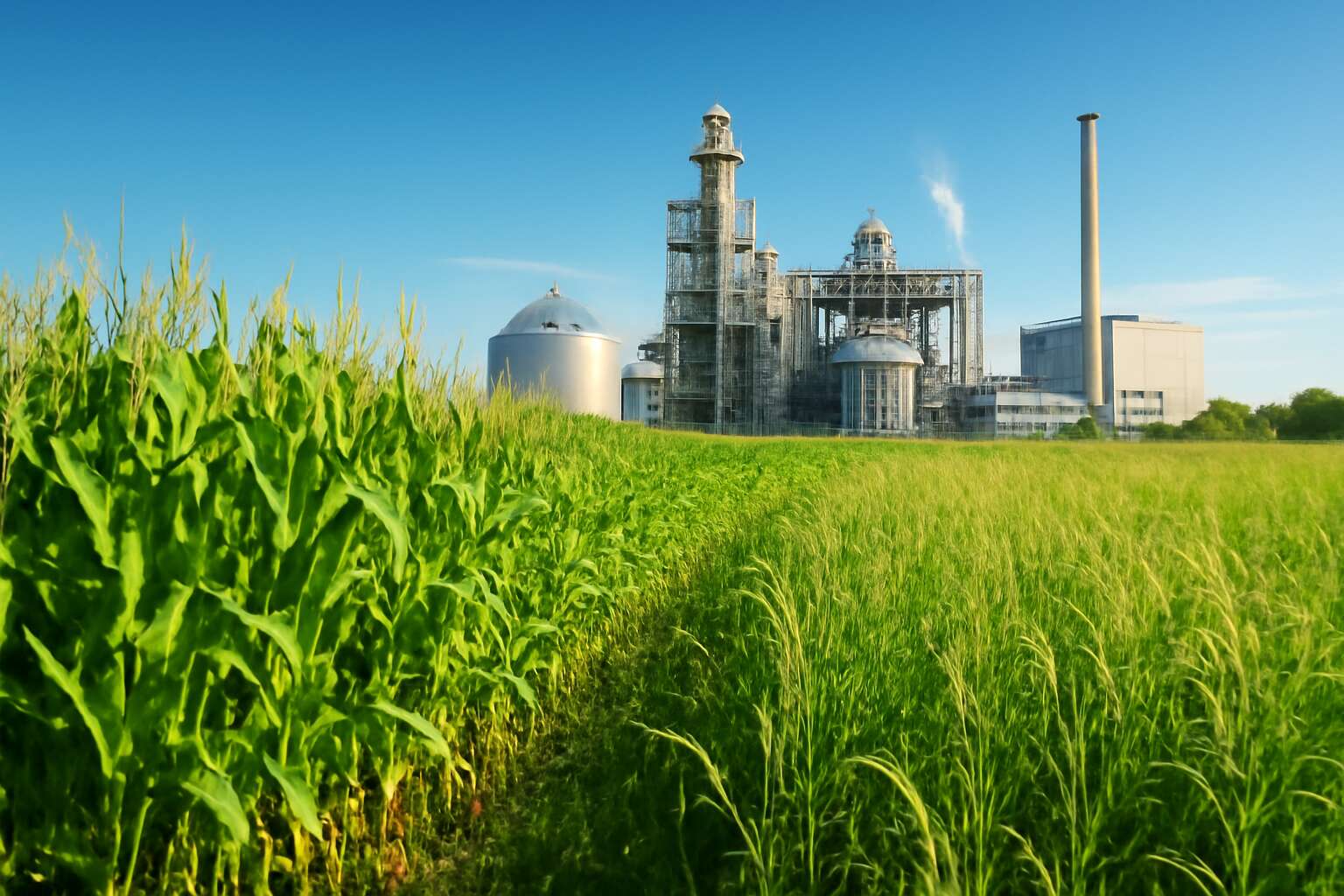
Assessing the renewability of biofuels
Key criteria for renewable energy sources
South Africa’s energy horizon shimmers with potential, and the question of are biofuels renewable sits at its core. Lifecycle analyses show greenhouse gas emissions can be cut by up to 60% when biofuels come from sustainable feedstocks, though results vary by feedstock and process. It’s a story where fields glow with possibility, yet stewardship remains essential, and the truth slides between policy and practice.
To gauge renewability, focus on key criteria for renewable energy sources:
- Lifecycle emissions and carbon balance
- Feedstock renewability and supply stability
- Land-use impact and biodiversity
- Water footprint and irrigation efficiency
- Economic and social outcomes for local communities
In South Africa, these factors shape the rhythm of farms and refineries, turning science into a story of resilience. The best paths honor soil, water, and people, aligning energy needs with ecological care while keeping the magic of possibility alive.
Feedstock origin and lifecycle impact
South Africa’s energy horizon is tight with questions of supply and land use. Lifecycle analyses show greenhouse gas emissions can be cut by up to 60% when biofuels come from sustainable feedstocks, though results vary by process. The central question — are biofuels renewable — hinges on feedstock origin and the lifecycle balance.
Feedstock origin matters in practical terms. Consider these common sources:
- Local waste oils and fats from urban and industrial streams
- Non-food crops grown on drought-tolerant land with efficient water use
- Agricultural residues and forestry by-products
Lifecycle balance depends on processing efficiency, land-use changes, and biodiversity impacts. In South Africa, the best outcomes blend local capability with careful feedstock selection, turning farms into engines of both energy and resilience while protecting soil health and water resources.
Biochemical vs synthetic pathways in biofuels
Bio energy’s magic trick isn’t magic at all—it’s math. In South Africa, energy-return figures for biofuels swing from roughly 1.2 to 3.5, depending on feedstock and process. The perennial question — are biofuels renewable — remains nuanced, hinging on how efficiently we convert feedstock into power without guzzling water or soil.
Biochemical pathways, like fermentation and transesterification, ride on established infrastructure and gentle capital requirements, but often rely on lipids or sugars that can strain land use. Synthetic pathways—gasification followed by Fischer–Tropsch or hydroprocessed esters—hold promise for using diverse wastes, yet demand larger energy inputs and stricter feedstock control.
- Energy balance and lifecycle emissions
- Feedstock flexibility and sustainability
- Capital intensity and scale-up risks
And finally, for South Africa, the path to renewability is less about choosing one technology and more about pairing local capability with careful feedstock selection, safeguarding water, soil, and biodiversity while keeping the lights on.
Land use, water use, and ecosystem effects
Across South Africa, lifecycle checks show water footprints for biofuels range from about 1,000 to 3,000 liters per gigajoule, depending on crop and irrigation. I wander the boundary between field and refinery, tasting the air where soil talks to steam and turbines listen. The big question becomes real: are biofuels renewable.
- Land-use intensity and crop choice shaping soil health
- Water access, efficiency, and recycling within supply chains
- Ecosystem effects, biodiversity, and resilience of local habitats
Assessing renewability means weighing land-use signals, water footprints, and ecosystem responses over years. With thoughtful feedstock choices and water stewardship, the continent’s biofuel story can honor soil and streams while powering communities.
Regional availability and supply chain reliability
Across South Africa, the question ‘are biofuels renewable’ sits at the heart of policy and practice. “Renewable is not a label; it’s a system of supply,” a regional analyst notes, and the truth hums through the ports, farms, and mills.
Regional availability and supply chain reliability determine whether a biofuel cycle can endure year after year. Local feedstock crops, refinery capacity, and the rhythms of harvest shape how consistently energy can flow to communities.
- Domestic feedstock near processing hubs
- Multimodal transport lanes and storage networks
- Balanced imports to cover seasonal gaps
In truth, the renewability question travels through the arteries of logistics as much as through fields.
Types of biofuels and their renewability profiles
First-generation biofuels and limitations
Across South Africa, the question echoes: are biofuels renewable. First-generation fuels rise from familiar crops, promising a quick energy lift and a whisper of independence. They wear the romance of the old farm turned power plant, yet their virtue is tempered by a brutal ledger: land, water, and the moral tax of diverting edible crops from plates to tanks. The candle burns unevenly in the dusk of transition.
- Corn ethanol
- Sugarcane ethanol
- Vegetable oil biodiesel (canola/rapeseed, soybean)
These pathways reveal a renewability profile shaped by farming scale and governance. They can bolster local resilience when feedstock is grown with water stewardship and fair livelihoods, but the costs—food security, biodiversity, and long energy balances—hang in the air. The choice between romance and responsibility remains, quietly testing the strength of South Africa’s energy arc.
Second-generation and advanced biofuels advantages
In the green theatre of South Africa’s energy transition, second-generation biofuels arrive with a gentler footprint. The question, are biofuels renewable, gains a sharper answer when fuels come from non-edible materials and waste streams. These pathways promise better energy returns per hectare and fewer pressures on food systems, while opening doors to rural resilience.
Second-generation strengths include improving lifecycle balances and leveraging lignocellulosic feedstocks like bagasse, straw, and agricultural residues. The following advantages help these fuels fit a renewability narrative without displacing edible crops:
- Non-edible feedstocks reduce competition with food crops
- Waste streams enable circular energy systems
- Higher energy density and better greenhouse gas profiles
Advanced approaches—gasification with Fischer–Tropsch synthesis, HEFA fuels, and algae-derived oils—deepen the renewability profile, offering scalable options for regional supply chains across South Africa while threading sustainability through the whole lifecycle.
Algae-based biofuels potential
Algae-based biofuels rise from the shadows where potential wears a green cloak! Microalgae can yield oils rapidly and be grown on non-arable lands, using seawater or wastewater instead of precious freshwater. The lingering question—are biofuels renewable—finds a clearer answer here: when energy is stored in lipids and then converted with a closed-loop process, the lifecycle carbon can tilt toward negative or near-zero depending on management. The renewability profile of algae hinges on modular harvests, scalable ponds or photobioreactors, and synergy with waste streams.
- High productivity per hectare compared with traditional crops
- Low competition with food and freshwater resources
- Opportunities for regional, decentralized supply chains
In South Africa, algae routes could supplement regional energy security, particularly where brackish water and coastal climates prevail. The refrain persists: are biofuels renewable. They remain a promising, still speculative pathway in the renewables narrative.
Food vs fuel trade-offs and sustainability concerns
Across the globe, biofuels account for a modest but growing slice of transport energy—roughly 3%—and the core question lingers in policy rooms and plant yards alike. The field spans from food-crop ethanol and biodiesel to advanced lignocellulosic routes and algae, each with a distinct renewability fingerprint.
- Food-crop based biofuels
- Waste-fed and non-food feedstocks
Food vs fuel trade-offs shape sustainability: diverting crops can affect food prices and land use, while harnessing waste streams or dedicated energy grasses can cut lifecycle emissions. In South Africa, this debate finds practical traction through regional waste valorisation and coastal feedstocks that reduce transport chains and enhance resilience.
The core question, are biofuels renewable, hinges on lifecycle management, feedstock choices, and how well energy capture closes the loop.
Lifecycle assessment and environmental footprint of biofuels
Well-to-wheel analysis overview
Across South Africa’s roads and fields, the journey from feedstock to fuel shapes every breath. The lifecycle assessment helps answer the question: are biofuels renewable. A lifecycle assessment and well-to-wheel analyses suggest they can deliver meaningful climate gains, with lifecycle emissions often significantly lower than petrol when the entire chain is optimized. A well-to-wheel view looks beyond a single tank or refinery, charting the environmental footprint from cradle to wheel.
The well-to-wheel overview traces stages:
- Feedstock cultivation and harvest impacts
- Conversion pathways and process energy intensity
- Transport, distribution, and end-use efficiency
By weighing these elements, policymakers and industry partners in South Africa can compare environmental footprints across biofuel options and steer developments toward truly sustainable paths!
Greenhouse gas emissions comparison across types
Across South Africa’s roads and fields, a striking stat blurs the line between myth and measure: lifecycle analyses show well-optimized biofuels can cut greenhouse gas emissions by up to 60% compared with petrol. The question are biofuels renewable—dependence on how feedstocks are grown, processed, and moved shapes the answer.
Greenhouse gas footprints differ by biofuel type, driven by feedstock origin, conversion energy, and the grid powering production. A cradle-to-wheel view shows savings rise when energy inputs are clean and transport is efficient, turning potential climate gains into real, regional outcomes.
- feedstock sustainability choices
- efficient conversion technologies
- clean energy for processing and distribution
These footprints reflect the interplay of feedstock choice, processing energy, and transport efficiency.
Land use change and biodiversity impacts
In the living ledger of energy, numbers reveal more than rhetoric. A credible lifecycle assessment suggests emissions can fall by as much as 60% when feedstocks are grown responsibly and energy for processing comes from clean grids. The question, are biofuels renewable, haunts policy and practice alike as we map the tightrope between climate gains and real-world trade-offs.
Land-use change and biodiversity are the wildcards. When cropland expands into natural habitats, carbon losses and species disruption erase gains elsewhere. Thoughtful design can soften the blow: diversified crops, degraded-land rehabilitation, and habitat corridors that stitch ecosystems back together.
- avoidance of primary forest conversion
- soil health measures that preserve carbon
- pollinator-friendly planting schedules
In South Africa, regional ecosystems and climate resilience shape footprints; lifecycle thinking is not abstract—it guides siting, feedstock choices, and infrastructure decisions that affect water-use and biodiversity on the ground.
Water use and resource intensity
In the lifecycle ledger, a litre of biofuel traces a map from soil to tailpipe. The question—are biofuels renewable—lingers in policy circles, not as abstraction but as a reality tested against energy choices and the grid that powers processing.
Lifecycle assessment peels back the gloss, revealing water use and resource intensity that shift with feedstocks and energy sources. When processing taps clean grids and efficient operations, footprints shrink; otherwise they swell with fossil-leaning energy.
- Water-use intensity depends on crop type, irrigation practice, and climate.
- Electricity source for refinery operations shapes the comparative climate burden.
- Logistics, co-products and residue management influence overall efficiency.
In South Africa, regional hydrology and grid realities test the numbers on the ground; lifecycle thinking guides siting, feedstock choice, and infrastructure in ways that are tangible to communities.
Soil health and ecosystem services considerations
Lifecycle assessment is the compass that reveals the true environmental footprint of biofuels, tracing energy from soil to tailpipe. The ledger shifts with feedstock choices and the electricity that powers processing. Clean grids and efficient operations shrink the footprint; fossil-heavy energy swells it. The enduring question—are biofuels renewable—lands in policy rooms, yet its answer is written in kilowatt-hours, water footprints, and local realities that communities feel every day.
Soil health and ecosystem services considerations shape this story beyond emissions.
- Soil organic matter and soil structure underpin carbon storage and resilience
- Microbial diversity accelerates nutrient cycling and plant health
- Residue management preserves soil moisture and reduces erosion
- Water-holding capacity and salinity dynamics influence drought tolerance
In South Africa, regional hydrology and grid realities test these numbers on the ground; lifecycle thinking guides siting, feedstock choice, and infrastructure in ways that communities feel daily. The answer rests in soil carbon, water cycles, and the energy mix—are biofuels renewable.
Indirect effects and market dynamics
In rural South Africa, lifecycle assessment is the compass that reveals the true footprint of biofuels, not just claims. It traces energy from soil to tailpipe, weighing processing power, transport, and feedstock choices. The lingering question—are biofuels renewable—becomes a ledger of kilowatt-hours, water footprints, and local realities that communities feel daily.
Lifecycle thinking also maps indirect effects and market dynamics, the shifts that sit just out of the headline frame. Small policy nudges and global demand ripple through land use, crop choices, and farm livelihoods—burdening some fields while sparing others.
- Indirect land-use changes and crop competition
- Price signals, subsidies, and investment flows
- Grid mix, processing efficiency, and regional demand
Across South Africa, the story of this energy mix is not a slogan but a daily balance of sun, rain, and dependable grids! When processing runs on clean electricity and soils hold carbon, the potential for genuinely renewable transport fuels grows with every kilowatt-hour saved.
Policy, economics, and governance of renewable fuels
Subsidies, mandates, and incentives
Policy is the wind that lifts renewable fuels from promise to practice. The question ‘are biofuels renewable’ hinges on policy signals and credible governance. In energy markets tightening for reliability, clear incentives turn laboratories into refineries and communities into buyers of cleaner transport.
Economic levers—subsidies, mandates, and incentives—shape who invests, where, and when. South Africa’s mix of fiscal support, blending targets, and infrastructure grants nudges the market toward practical decarbonised options while guarding affordability.
- Subsidies and tax incentives for producers
- Blending mandates for transport fuels
- Grants to build storage, logistics, and distribution
Governance must couple growth with stewardship: robust reporting, independent oversight, and lifecycle accounting keep the sector honest. Transparent metrics protect biodiversity, water resources, and rural livelihoods as the policy matures.
Carbon pricing and life cycle benefits
Policy is the wind that lifts renewable fuels from promise to practice, and in South Africa that gust now carries the question are biofuels renewable from rumor to regulation. Clear signals and credible governance determine who invests, where, and when.
Economics come alive when carbon pricing lands and lifecycle accounting is trusted. A price on carbon nudges decisions toward lower-emission pathways across the supply chain, while robust lifecycle benefits—from feedstock to final fuel—keep comparisons honest.
Governance must couple growth with stewardship: robust reporting, independent oversight, and transparent metrics protect biodiversity, water resources, and rural livelihoods as the sector matures.
Within policy design, practical levers can be discreet but decisive.
- Transparent metrics and lifecycle data sharing
- Independent audits and oversight
- Inclusive stakeholder engagement to protect rural livelihoods
Sustainability standards and certification programs
Policy is the wind that lifts renewable fuels from rumor to regulation. In South Africa, credible governance steers who invests and where. The ongoing debate asks, are biofuels renewable, and the answer hinges on clear standards and transparent data!
Economics come alive when carbon pricing lands and certification makes claims verifiable; standards become the sunlight for investment and healthy competition. To guide policy in SA, here are the levers that keep truth visible:
- Transparent metrics and lifecycle data sharing
- Independent audits and oversight
- Inclusive stakeholder engagement to protect rural livelihoods
Governance must couple growth with stewardship: robust reporting, independent oversight, and transparent metrics protect biodiversity, water resources, and rural livelihoods as the sector matures.
Future directions and alternatives to traditional biofuels
Next-generation technologies and innovations
Future directions for are biofuels renewable hinge on smarter feedstocks, better conversion tech, and policy clarity that unlocks local production. In South Africa, early pilots suggest next‑gen fuels can cut transport emissions significantly while using non-arable land. The question aren’t just about fuel; it’s about resilience—how fuels fit into a decarbonised grid, boost rural economies, and reduce import dependence.
Key tech bets include:
- Algae-derived oils paired with wastewater treatment to recover nutrients and energy
- Cellulosic and lignocellulosic pathways using agricultural residues and invasive plants
- Electrofuels and power-to-liquid fuels produced with green electricity and captured carbon
In time, partnerships between industry, academia, and government could unlock pilots, local manufacturing, and regional export potential.
Synergy with other renewables in energy systems
In South Africa, the energy transition is a lived discipline, bending capacity toward resilience and local value. The question: are biofuels renewable? The answer hinges on smarter feedstocks, cleaner conversion tech, and policy clarity that unlocks local production. We envision future directions turning on non-arable land, waste streams, and circular approaches that knit rural livelihoods to a decarbonised grid.
We see them as aligning with other renewables, providing dispatchable, energy-dense complements to wind and solar in a diversified system. By weaving biofuels into regional grids, South Africa can reduce import dependency while strengthening rural economies and resilience against droughts and price shocks. The path forward is cooperative—industry, research, and government working together to unlock pilots, scale local manufacturing, and expand regional trade.
Bioproducts and circular economy considerations
In South Africa’s sunlit energy landscape, the next era wears the cloak of the circular economy. A growing sense of urgency points to smarter feedstocks, cleaner conversion tech, and policy clarity as the keys to unlock local production. The question ‘are biofuels renewable’ hinges on design and deployment—feedstock choices, cleaner tech, and resilient policy. I envision a future where bioenergy chips away at diesel while sustaining rural livelihoods and a decarbonised grid.
- Non-arable land and waste streams as feedstocks
- Bioproducts that replace fossil-based materials
- Circular loops that repurpose nutrients and energy within rural economies
Together, industry, research, and government can pilot initiatives, scale local manufacturing, and expand regional trade.
Regional policy shifts and market forces
The clock is ticking in South Africa: bioenergy is not a dream—it’s a gear in the grid. The question ‘are biofuels renewable’ hinges on design and deployment—feedstock choices, cleaner conversion tech, and resilient policy. I picture a future where bioenergy chips away at diesel, sustains rural livelihoods, and powers a decarbonised grid with a stubborn, luminous glow.
Future directions and regional policy shifts point to smarter, scalable options and robust regional value chains. When policy nudges align with market signals, ‘are biofuels renewable’ shifts from debate to direction.
- Regional policy shifts that reward lifecycle sustainability and credible certification
- Market signals unlocking investments in modular biorefineries and advanced feedstocks
- Public-private partnerships strengthening rural manufacturing and regional trade
Risks, uncertainties, and how to measure renewability
Rethinking the grid means rethinking renewability. The clock is ticking, and the question ‘are biofuels renewable’ hinges on design and deployment—feedstock choices, cleaner conversion tech, and credible lifecycle tracking. I picture a future where bioenergy chips away at diesel, sustains rural livelihoods, and powers a decarbonised grid with a stubborn glow that won’t quit.
Risks and uncertainties that can undermine renewability measures:
- Feedstock variability and sourcing reliability
- Indirect land-use change and biodiversity pressures
- Water scarcity and local watershed impacts
- Process energy balance and co-product value
Future directions and regional policy shifts point to smarter, scalable options and robust regional value chains. When policy nudges align with market signals, renewability moves from debate to direction. In South Africa, policy that rewards lifecycle sustainability, credible certification, and partnerships with rural manufacturing will push investments in modular biorefineries and advanced feedstocks, weaving bioenergy more tightly into the grid while protecting ecosystems.

0 Comments