
Biofuels history and origins: tracing the first use to today
Origins of biofuels: ancient to pre-industrial use
Across the centuries, biomass has fueled everyday life and bold ambitions alike. So, when were biofuels first used? The answer threads from ancient hearths to today’s engines, a continuous conversation about energy made from living matter. In South Africa, this lineage informs how we blend tradition with innovation, turning sun-soaked fields into sustainable transport.
- Ancient biomass: wood, peat, and dung supplied warmth and light long before factories.
- Early fermentation: pulling ethanol from grapes and grains for lamps or cooking, a proto-fuel that prefigured modern bioethanol.
- Pre-industrial experimentation: plant residues and oils were refined, distilled, and pressed to stretch precious energy.
From those roots, today’s biofuels in South Africa echo a practical dream: using locally grown feedstocks—sugar cane, canola, and algae—to power vehicles and industries with less carbon.
First widespread adoption and milestones in biofuels
The question, when were biofuels first used, reads like a timeline you can ride—from ancient kitchens to modern roadways—and it still manages to surprise at every turn. Early kilns and fermentation set the stage for a portable energy form that outlived empires and found its way into engines, tractors, and turbines. The arc is less a straight line than a brisk zigzag of science, policy, and stubborn optimism.
Tracing milestones helps anchor the story:
- 19th century fermentation foreshadows modern bioethanol.
- 1970s Brazil launches large-scale ethanol programs.
- 2000s biodiesel and bioethanol expand globally.
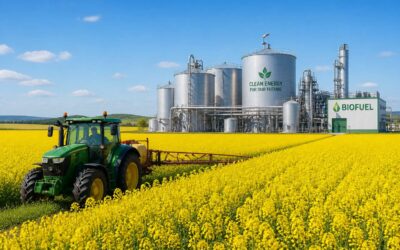
In South Africa, the homegrown loop continues: feedstocks like sugar cane and canola are turning fields into fuel, aligning energy security with climate goals.
Generations of biofuels: timeline from first use to modern fuels
Globally, biofuels account for roughly 3% of road-transport energy, a quiet sprint from field to flame. The narrative threads a lineage from humble fermentation to modern engines, a history written in sugar and sunlight. The question—when were biofuels first used—still flickers in the background, reminding us that energy has long dwelt in crops before it powered our roads.
- First generation: fuels drawn from food crops—starches and oils—yielding early bioethanol and biodiesel, and sparking debates about food security.
- Second generation: non-food feedstocks—lignocellulosic residues and dedicated grasses—unlocking energy with fewer food conflicts.
- Third generation and beyond: algae and advanced biorefineries, weaving fuels with higher energy density and gentler land use.
Back home in South Africa, the loop continues: fields of sugar cane and canola turning into fuel, aligning energy security with climate goals.
Biofuels in the modern era: policy, technology, and impact
In the past decade, biofuels claim a modest 3% of road-transport energy worldwide, a whisper of power traveling along pipelines and fields. So, when were biofuels first used? The answer travels from ancient fermentation to modern refineries, tracing seeds, sunlight, and policy into engines here in South Africa and beyond.
Today’s era blends policy with technology. I watch farmers in the Free State blend tradition with innovation. Governments impose blending mandates, sustainability criteria, and rural development goals; technologists push cellulosic and algal routes that decouple feedstock from food and land use. In South Africa, sugar cane and canola are being integrated into biorefineries, reflecting a national ambition for energy security without climate compromise.
- Policy pivots shaping adoption.
- Tech leaps in cellulosic, algae, and biorefineries.
- Socioeconomic and environmental impact assessments.

0 Comments