Foundations and Definitions
What biofuels are and the role of biomass as feedstock
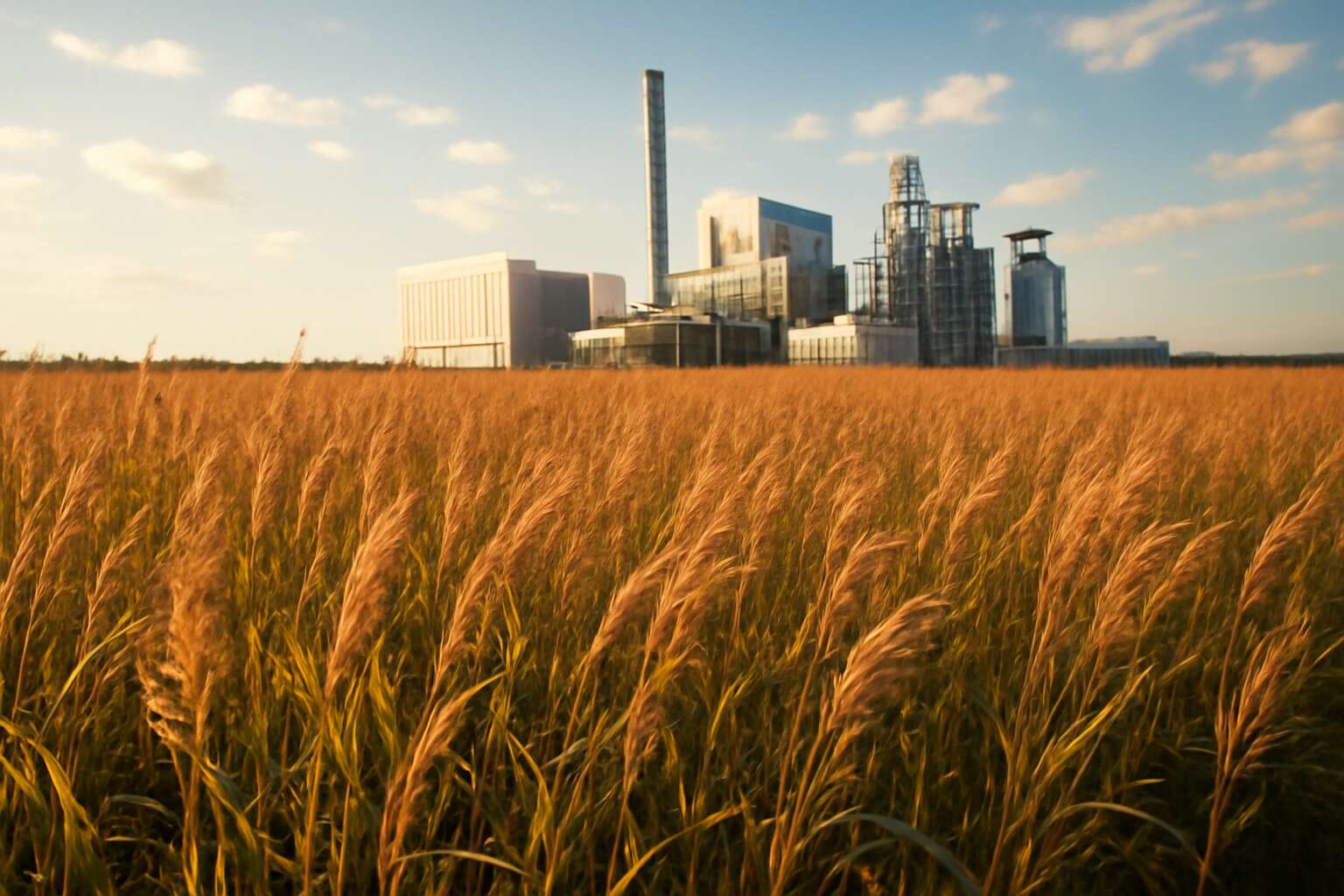
“Waste not, want not,” proclaims an old maxim that still has teeth in energy policy. In South Africa, biofuels and biomass stand at the crossroads of opportunity and practicality, turning leftovers into usable power and reducing import dependency.
Fuels derived from living matter offer ethanol and biodiesel as familiar forms, designed to slot into existing engines with minimal fuss. The feedstock backbone — the raw material that seeds the conversion process — is sustainably sourced, balancing emissions, land use, and energy returns on investment.
- Sugarcane bagasse and maize stover
- Forestry residues and wood waste
- Municipal and agricultural waste suitable for conversion
These foundations map the landscape where engineers, farmers, and policymakers intersect on feedstocks, processing, and regulation.
Biomass feedstocks: crops, residues, and dedicated energy crops
“Waste not, want not” still turns heads in energy policy, and in South Africa that push translates into real momentum for biomass. Foundations of feedstocks rest on three pillars: crops grown for energy, residues and wastes from farming and industry, and dedicated energy crops designed for reliable yields.
- Crops and dedicated energy crops: steady, local feedstock
- Residues: crop leftovers, forestry by-products, and processing waste
- Waste streams: municipal and agricultural waste suitable for conversion
These categories shape feedstock planning and regulatory alignment, influencing how we scale conversions while balancing emissions, land use, and cost. When we speak of biofuels and biomass, it’s a reminder that the same family grows—from careful crop choice to savvy residue handling and thoughtful energy crops.
Diverse conversion pathways: from feedstock to fuel
Foundations and Definitions map the journey from field to fuel with clarity and care. In South Africa, the momentum behind diverse conversion pathways is turning idle residues into power and steady work for rural communities. “Energy from waste isn’t a dream—it’s a practiced craft,” notes a local adviser, and the harvest continues to teach resilience through every season.
From farm to fuel, diverse conversion pathways keep options open, and this broad landscape supports biofuels and biomass tuned to local seasons.
- Fermentation and enzymatic processes yield alcohol-based fuels from sugars.
- Anaerobic digestion captures methane from organic waste for heat and power.
- Gasification and pyrolysis turn biomass into syngas or bio-oil for multiple end uses.
- Transesterification converts oils into biodiesel for transport.
Sustainability metrics and lifecycle analysis basics
Across South Africa, lifecycle analyses show that biofuels and biomass can cut greenhouse gas footprints by up to 30% when managed with care.
Foundations and definitions anchor sustainability thinking for biofuels and biomass, clarifying cradle-to-grave impacts, functional units, and system boundaries to keep metrics consistent.
Sustainability metrics and lifecycle analysis basics center on emissions, energy balance, water use, and land-use change. The following components guide evaluation:
- Greenhouse gas emissions per energy unit
- Net energy balance and EROI
- Water footprint and contamination risk
- Land-use change and biodiversity impact
- Air pollutant emissions and local air quality
In South Africa, this clarity translates into benchmarks guiding feedstock choices and rural partnerships, strengthening resilience through every season.
Global market trends and drivers
Foundations and definitions in this space aren’t mere semantic flourishes—they’re the ballast that keeps markets steady as we chase lower emissions. When everyone negotiates from shared terms and clear boundaries, policy signals and private capital tend to move in a predictable rhythm. ‘If you can’t measure it, you can’t manage it,’ notes a veteran analyst, reminding us that credibility rests on consistent metrics and system boundaries.
- Policy frameworks and incentives
- Carbon pricing and border adjustments
- Feedstock costs and supply security
- Technology maturation and cost declines
- Rural development and energy access
Across continents, standards, trade rules, and financing appetites are aligning, rewarding verifiable emissions reductions, energy security, and agrarian resilience. In South Africa, these global shifts create markets for biofuels and biomass that respect land stewardship while powering rural development.
Feedstocks and Resources
Agricultural crops and residues as primary sources
From dawn over the Karoo to the sugar fields along the coast, our harvests cradle power waiting to be set free. In the world of biofuels and biomass, the tale begins where crop residues and dedicated crops lie ready on the land, begging to be transformed. A single ton of agricultural byproduct can move a city block on clean energy—proof that practical beauty lives in the fields as much as in the cities.
- Sugarcane bagasse
- Maize stover
- Sorghum stalks
- Forestry residues
Beyond the field, moisture content, logistics, and regional harvest cycles turn these materials into steady supply. We see how farmers and processors partner to unlock a resilient feedstock stream, strengthening rural economies and reducing imports. This is transformation with heart!
Forest residues and energy crops
“Energy sits in the residue of our forests and fields,” a seasoned advisor notes, and the practice proves it. Forest residues and energy crops are not afterthoughts—they are stubbornly reliable feedstocks for biofuels and biomass, turning leftover material into kinetic power that travels from rural mills to urban grids.
These feedstocks are shaped by geography and timing, with forest residues offering varied textures (sawdust, chips, bark) and energy crops bred for rapid growth and drought resilience. The flow depends on moisture content and transport logistics, smoothing supply across seasons.
- Forest residues: tops, branches, mill leftovers
- Dedicated energy crops: fast-growing varieties suited to climate
- Moisture and logistics: the unseen bottlenecks and enablers
Moisture and logistics are the invisible gears that keep South Africa’s regional harvests aligned with demand, letting communities reap the benefits of a steadier, cleaner energy stream. biofuels and biomass in balance.
Geographic availability and supply chain considerations
In South Africa, the journey from field to furnace hinges on the handshake between climate, terrain, and transport. Feedstocks for biofuels and biomass are not uniform gifts of nature; they ride the contours of geography, turning sunlight into usable energy. When regional harvests align with demand, communities glimpse a steadier, cleaner stream of power—without sacrificing biodiversity or rural livelihoods.
Geographic availability and the supply chain hinge on a few guiding cues:
- Regional climates and soils that nurture energy crops
- Forestry surpluses and mill residue-rich zones
- Proximity to ports, rail hubs, and storage facilities
Moisture levels and logistics—the quiet gears—shape when and where harvests meet demand, smoothing seasonal swings and keeping the system humming across South Africa’s landscapes.
Environmental and land-use implications
One hectare of thoughtfully managed energy crops can power a neighborhood for a year. In South Africa’s mosaic of climates, feedstocks for biofuels and biomass carry footprints—on soil, water, and local ecosystems. The goal isn’t just harvest; it’s harmony, balancing productivity with biodiversity and rural livelihoods.
Environmental and land-use implications unfold in quiet metrics:
- Soil health and carbon storage hinge on cropping choices and tillage practices.
- Water use and watershed impact shape irrigation needs and resilience to drought.
- Biodiversity and habitat connectivity guide landscape-scale planning and community rights.
Managed together, these factors keep the system vibrant rather than barren, turning sunlight into steady, cleaner energy with respect for place.
Conversion Technologies
Biochemical pathways: fermentation and enzyme-based routes
Fermentation and enzyme routes are the quiet workhorses of conversion technologies. In this biochemical play, microbes chew on sugars found in biomass in South Africa, tapping molasses and agricultural residues, and spit out renewable fuels. Yeast and bacteria can produce biofuels such as ethanol or higher alcohols in fermentation vats, often under carefully tuned temperatures and pH. Enzyme-based pathways break down stubborn feedstocks with precision, releasing sugars without sacrificing the substrate’s integrity for other uses.
Two main biochemical pathways dominate these conversions:
- Fermentation: microbes convert sugars to ethanol and other fuels
- Enzymatic saccharification: cellulases and hemicellulases unlock complex polymers into fermentable sugars
- Consolidated bioprocessing: one-pot operation for pretreatment, hydrolysis, and fermentation
This synergy expands the feedstock options for biofuels and lowers processing costs, shaping the future of cleaner energy.
Thermochemical routes: gasification, pyrolysis, and upgrading
Biomass is wily, and thermochemistry just gave it a practical makeover. In South Africa, gasification, pyrolysis, and upgrading are turning waste into storable energy, dramatically tightening the fuel supply chain and slashing emissions. It’s a clean, hands-on way to scale biofuels and biomass without waiting on weather or rain breaks.
Gasification converts solid feedstocks into syngas, a versatile intermediate that can be cleaned up and steered toward diesel, jet fuel, or chemicals. Pyrolysis pretends to be dramatic: quick heating yields bio-oil, with char and gas as useful co-products. Upgrading then refines these streams—via catalysts and hydroprocessing—into stable, high-quality fuels ready for distribution.
- Gasification: biomass to a flexible syngas platform
- Pyrolysis: rapid heating to bio-oil, with valuable co‑products
- Upgrading: catalytic refinement to drop-in fuels
Transesterification and esterification for biodiesel
Conversion technologies are turning waste into wheels. Transesterification swaps triglycerides in oils for methyl esters with methanol and a catalyst, delivering biodiesel. Esterification pre-treats high free fatty acids with an acid catalyst, enabling the main reaction to run cleanly. The outcome is a stable, drop-in fuel ready for distribution.
- Feedstock pretreatment and impurity removal
- Alcohol-catalyst reaction to form esters
- Separation of biodiesel from glycerol and purification
In South Africa, these routes leverage local feedstocks—high-quality biodiesel from used oils, plus residue fats—to strengthen energy security and create jobs. With careful reactor design and lifecycle thinking, biofuels and biomass become a practical, scalable reality rather than a distant dream.
Anaerobic digestion and biogas upgrading
Waste-to-watts isn’t a myth—it’s real, and it’s happening in SA, with a single anaerobic digestion plant converting hundreds of tonnes of organic waste into biogas each year, lighting up schools and clinics in the process!
In the digestion tank, microbes ferment organic matter, freeing methane and carbon dioxide. The raw biogas is then upgraded—think water scrubbing, pressure swing adsorption, or membranes—to biomethane suitable for grid injection or vehicle fuel. The residual slurry becomes a nutrient-rich digestate for soils, closing the loop with minimal waste.
By aligning feedstock flexibility with smart upgrading, we turn bioenergy into a practical, scalable part of the SA energy mix. biofuels and biomass can breathe new life into rural economies and city grids alike, without the jargon or the doom-and-gloom forecasts.
Emerging routes: hydrotreated fuels and algae-based options
Hydrotreated fuels and algae-based options are rewriting the rules of biofuels and biomass. Early pilots show drop-in fuels delivering strong emissions cuts while fitting existing engines and pipelines!
Hydrotreated routes convert fats, oils, and residues into paraffinic fuels using hydrogen in a refinery-like step. They offer high energy density and wide feedstock flexibility, including waste oils and algae lipids, a natural fit for South Africa’s waste streams.
Algae-based fuels unlock nonarable land potential, producing oils for diesel or jet fuel. The approach dovetails with CO2 recycling and rural biotech clusters.
- Drop-in compatibility with existing engines
- High energy density across climates
- Access to diverse feedstocks and waste streams
Products and Applications
Ethanol, biodiesel, and renewable diesel
“Cleaner miles start with smarter fuel choices,” and the data backs it up. In South Africa, the shift toward biofuels and biomass is reshaping how fleets power progress, with ethanol, biodiesel, and renewable diesel stepping into the spotlight.
- Ethanol: blends for light-duty engines, leveraging fermentation of sugars and grain-based feedstocks.
- Biodiesel: derived from vegetable oils or waste fats; blends in existing diesel fleets reduce emissions.
- Renewable diesel: hydrotreated, compatible with current infrastructure, offering a drop-in replacement with higher energy density.
Together, these products expand the country’s energy canvas, enabling rural resilience and industrial momentum as part of the evolving energy landscape.
Biojet fuel and aviation applications
Aviation accounts for roughly 2.5% of global CO2, and biofuels could cut lifecycle emissions by 60–80%. That’s a signal the skies are changing!
Biojet fuels, derived from diverse feedstocks including biomass via HEFA or FT routes, are designed as drop-in replacements compatible with existing engines and fueling infrastructure.
- Blends with conventional jet fuels up to certified limits.
- Supports regional aviation through on-site refueling and smoother logistics.
- Maintains performance while reducing refinery emissions in SA supply chains.
For South Africa, developing SAF supply chains means cleaner air and resilient rural economies.
Biogas and biomethane for power and heat
In rural South Africa, a single biogas plant can light a home, heat a clinic, and empower a small workshop, turning waste into steady energy. From animal stalls to kitchen scraps, biogas and its upgraded sibling biomethane exemplify how biofuels and biomass can power local resilience—delivering reliable heat and grid-friendly power when sunshine is scarce. In pilot programs, households have seen energy costs drop by up to 25%, a tangible win for communities aiming for energy security and cleaner air.
Applications extend across farms, schools, and informal settlements, driving rural economies forward:
- On-site combined heat and power (CHP) for electricity and heat
- Biomethane-fed boilers for process heat in small industries
- Grid-tied injections or off-grid microgrids in remote areas
Performance, blends, and fuel standards
Across South Africa, biofuels and biomass translate resilience into daily life. In pilot programs, energy costs have dropped by up to 25%, a tangible win for communities. In rural clinics, schools, and workshops, reliable heat and power arrive on cue, turning waste into value. The magic is in the quiet efficiency—systems tuned to local feedstocks, performing under shifting weather and grid conditions with uncommon steadiness.
- Blends tuned for local engines (diesel biodiesel B5–B20; petrol ethanol E10) that balance performance and emissions
- Biomethane-fed boilers and renewable diesel options for process heat with clear fuel standards
- Grid-ready or off-grid microgrids that tolerate variable fuel inputs and maintain reliability
In practice, performance metrics increasingly include lifecycle costs, maintenance downtime, and air quality improvements. Engineers tailor standards-compliant blends to maximize energy security while minimizing environmental footprint—an artful blend of science and stewardship that is uniquely South African in spirit.
Policy, Economics, and Sustainability
Policy frameworks and incentives across major regions
Policy, economics, and sustainability weave the fate of biofuels and biomass, a midnight map of incentives and obligations. Europe blends mandates with sustainability criteria; North America leans on tax credits and procurement support; Asia-Pacific pilots lanes that unlock feedstock access.
- Blending mandates to anchor demand
- Tax credits and subsidies to de-risk
- Green procurement and carbon pricing signals
Economics hinge on feedstock costs, conversion yields, and risk shadows. Regions tilt the balance with incentives to mobilize private capital, while carbon pricing nudges investment toward cleaner pathways. Sustainability metrics—life-cycle thinking and residue valorization—shape value for biofuels and biomass.
In South Africa, policy frameworks and incentives aim to anchor a homegrown biofuels and biomass economy, aligning with regional markets while embracing global standards.
Economic viability: costs, subsidies, and market mechanisms
Policy is the wind behind biofuels and biomass, turning ambition into action in South Africa with mandates and sustainability criteria that lock in responsible growth. It links farming and industry, nudging local supply chains toward cleaner energy and domestic resilience!
Economics hinge on feedstock costs, conversion yields, and risk shadows. In South Africa, incentives de-risk project finance and mobilize private capital. Costs, subsidies, and market mechanisms shape the journey, with carbon pricing quietly tilting the scales toward cleaner options.
- Feedstock costs and capital expenditure
- Subsidies, tax incentives, and guarantees
- Carbon pricing and offtake agreements
Sustainability metrics—life-cycle thinking, residue valorization, and biodiversity safeguards—anchor value creation. The aim is not only energy but stewardship, turning waste streams into feedstock and ensuring land-use compatibility as markets grow.
Environmental impacts: lifecycle emissions and land-use considerations
Lifecycle emissions can be slashed by up to 60% with the right mix of biofuels and biomass. Policy can be the wind behind this shift in South Africa. Mandates, sustainability criteria, and clear procurement rules turn ambition into action, connecting farmers with refineries and keeping local supply chains anchored in cleaner energy.
Economics drive the speed of adoption. With fluctuating feedstock costs, capital costs, and supportive subsidies, carbon pricing, and guarantees, projects gain traction. Offtake agreements and risk-sharing instruments mobilize private capital around biofuels and biomass, shaping resilient, domestically-grown energy markets.
Sustainability Environmental impacts: lifecycle emissions and land-use considerations anchor value creation. Lifecycle thinking, careful residue valorization, and biodiversity safeguards ensure that the transition doesn’t erode ecosystems. In practice, land-use decisions must balance energy needs with environmental stewardship for biofuels and biomass.
- Lifecycle emissions accounting across feedstocks
- Land-use compatibility and soil health
- Biodiversity safeguards and habitat protection
Certification, sustainability standards, and traceability
Policy in South Africa and regional blocs acts as a steady wind behind biofuels and biomass, turning lofty goals into steady production and local jobs. Mandates, sustainability criteria, and clear procurement rules connect farmers with refineries and anchor cleaner energy in local supply chains.
- Mandates that align farming, refineries, and local demand
- Transparent sustainability criteria and traceability
- Procurement rules that favor domestically produced bioenergy
Economics set the tempo. With feedstock price swings, capital costs, and supportive subsidies, carbon pricing, and guarantees, projects gain traction. Offtake agreements and risk-sharing instruments mobilize private capital around biofuels and biomass, knitting resilient markets.
Sustainability certification and standards keep the system honest. Chain-of-custody, soil health safeguards, biodiversity protection, and residue valorization under a lifecycle lens ensure that value grows without eroding ecosystems. Traceability ties every kilogram of feedstock used in biofuels and biomass to its origin.
Risk management and future outlook for biofuel markets
Policy in South Africa acts as the wind behind biofuels and biomass, turning ambitious aims into steady local jobs—watchful eyes witness the shift. It forges mandates, sustainability criteria, and procurement rules that connect farmers with refineries.
- Mandates that align farming, refineries, and local demand
- Transparent sustainability criteria and traceability
- Procurement rules that favor domestically produced bioenergy
Economics set the tempo. With feedstock price swings, capital costs, subsidies, carbon pricing, and guarantees, projects gain traction! Offtake agreements and risk-sharing mobilize private capital around these fuels; I hear markets respond.
Sustainability risk management and future outlook anchor the journey. Lifecycle thinking, chain-of-custody, soil health safeguards, biodiversity protection, and residue valorization keep value growing. Traceability ties every kilogram of feedstock to its origin, supporting accountability and steady investment in these fuels.

0 Comments