Biofuels in the Climate Context
Why biofuels matter for climate policy
Global transport accounts for about 14% of greenhouse gas emissions, and South Africa bears the burden of rising fuel costs and urban smog. That pressure fuels policy debate.
Biofuels offer a lower-carbon option when produced responsibly. They can displace fossil fuels, cut tailpipe emissions, and spur rural development. The relationship between biofuels and climate change shapes policy choices in our region.
- Cleaner air in cities
- Energy security and job creation
- Lifecycle carbon accounting
That shift matters across cities and farms! Done right, biofuels align with climate goals and practical realities.
Historical emissions trends and role of transport fuels
Global transport still accounts for about 14% of greenhouse gas emissions, a stubborn chorus in climate policy. Since the dawn of mass urbanization, emissions from road and freight rose with every mile of asphalt. The lesson is simple: transport fuels shape the atmospheric ledger, and history favors options that bend the curve rather than deflect blame. Enter biofuels and climate change—an evolving storyline where feedstock choices and energy density rewrite the score.
Three factors quietly determine whether biofuels deliver the promised carbon relief:
- Life-cycle balance of feedstock
- Land-use and biodiversity trade-offs
- Infrastructure and logistics for production and distribution
For South Africa, the transport-fuel mix touches city air, farm livelihoods, and the policy diary alike. When regions invest in compatible engines, clean feedstocks, and transparent accounting, the plausibility of a low-carbon transport future looks less like a dream and more like a schedule.
Key definitions and scope of biofuels
Biofuels aren’t a magic wand; they’re a dial you can turn. In the climate context, biofuels and climate change aren’t a punchline; they’re a lever that works only when the lifecycle math adds up and the feedstock story isn’t a fairy tale.
- Life-cycle balance of feedstock
- Land-use and biodiversity trade-offs
- Infrastructure and logistics for production and distribution
In South Africa, home to diverse climates and crop systems, the choice of feedstock touches city air, rural livelihoods, and policy clarity. I’ve seen pilots where clear accounting and local supply chains shift outcomes on the ground.
Types of Biofuels and Emissions Profiles
Bioethanol production and transport emissions
In the fight against climate change, biofuels and climate change narratives matter. A recent lifecycle review places bioethanol emissions reductions around 40–60% versus petrol when feedstock and transport are optimized. In South Africa, sugarcane and local residues shape how these gains land on the ground.
Types of biofuels span simple ethanol and biodiesel to more novel fuels. The core trio commonly appears in policy discussions:
- Bioethanol
- Biodiesel
- Biogas
- Advanced biofuels
Each type carries unique emissions footprints, especially in South Africa where sugarcane and agro-waste residues influence choices.
Bioethanol production and transport emissions follow the path from field to pump: cultivation, processing, and logistics—an inexorable tally. They stay lean when powered by renewable energy and short, efficient routes; longer distances or fossil-powered electricity can erode gains.
Biodiesel pathways and lifecycle analysis
Biodiesel is not just a cleaner cousin of diesel; in South Africa, it’s a practical patch in the energy quilt—who knew waste could fuel a future? When feedstock and logistics align, lifecycle analyses show emissions reductions of up to 60% versus fossil diesel.
Biodiesel pathways vary: waste fats and oils reduce waste streams; locally grown crops can anchor rural farming economies. In practice, sugarcane residues and agro-waste in SA tilt choice toward feedstocks that minimize processing energy.
Lifecycle analysis highlights these levers:
- Feedstock sourcing and quality
- Processing energy and catalysts
- Transport, blending, and vehicle compatibility
In the broader realm of biofuels and climate change, the story is context-specific, balancing emissions with rural development.
Advanced biofuels and synthetic fuels
Across South Africa, transport emissions cast a long shadow, yet biofuels and climate change narratives offer a practical patch in the energy quilt. In this landscape, lifecycle studies show emissions reductions up to 60% when feedstocks and logistics align with cleaner burning fuels!
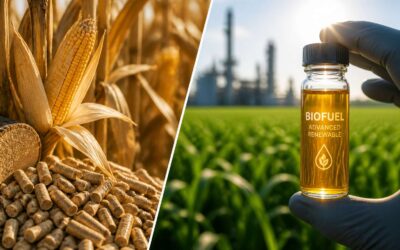
Types of biofuels span from advanced biofuels to synthetic fuels. Advanced biofuels draw energy from waste, residues, and non-food crops, often with lower processing energy. Synthetic fuels—made with renewable electricity—fuel engines with fewer tailpipe emissions, especially when paired with clean power and smart refining.
- Algae-based fuels and HEFA conversions
- Cellulosic ethanol from agricultural residues
- Power-to-Liquids (PtL) synthetic fuels
In SA, emissions profiles depend on feedstock sourcing, energy intensity, and transport networks. When feedstocks travel short distances and processing consumes less energy, the climate benefits grow. The broader balance includes rural livelihoods and the cadence of decarbonising transport, all under the umbrella of biofuels and climate change.
Comparative lifecycle emissions versus fossil fuels
In the tapestry of transport futures, the choice of feedstocks and the choreography of logistics shape the emission arc, as if constellations align over a quiet valley! In the realm of biofuels and climate change, lifecycle emissions fall when feedstocks are local, processing lean, and logistics run on clean energy, often beating fossil fuels.
- Feedstock sourcing distance and mode
- Processing energy intensity and waste heat reuse
- Co-located renewable electricity for refining
- Efficient logistics and minimal transport miles
Across South Africa, small shifts—nearby harvests, lean refineries, and smarter supply chains—turn cautious gains into tangible cuts. The lifecycle story becomes not just numbers, but a climate-positive rhythm that touches farms, towns, and the grid.
Feedstock impact scenarios
In the chorus of biofuels and climate change, feedstock choices matter. Biodiesel, bioethanol, and the emerging synthetic routes drift across the stage, each leaving a different footprint on air, soil, and the night between cities. The spell is broken by the feedstock and the way we move it.
- Feedstock sourcing distance and mode
- Processing energy intensity and waste heat reuse
- Co-located renewable electricity for refining
- Efficient logistics and minimal transport miles
From waste oils to lignocellulosic residues, emissions profiles diverge: waste-based biodiesel often slashes lifecycle emissions; sugarcane- or palm-based options carry different footprints; algae and wood residues promise lower emissions but pose refining energy costs.
It is a living poem that touches farms, towns, and the grid!
Lifecycle Assessment and Carbon Accounting
Scope and boundaries of LCAs for biofuels
Global transport fuels contribute roughly 14% of greenhouse gas emissions, a statistic that anchors discussions of biofuels and climate change. Lifecycle Assessment (LCA) acts as a compass, tracing every step from feedstock growth to end use, like a star-lit map guiding policy and practice!
- System boundaries: cradle-to-grave versus cradle-to-gate and allocation choices between fuel and co-products.
- Direct and indirect land-use change along feedstock supply chains.
- Processing, transport, storage, and end-use emissions shaping total impact.
- Data quality, regional context, and South Africa’s policy landscape guiding confidence in results.
In the South African context, carbon accounting must align with policy targets and industry realities, guiding credible investment in biofuels and climate change mitigation without courting oversimplification.
Indirect land-use change and carbon leakage
Global transport fuels account for roughly 14% of greenhouse gas emissions, a statistic that anchors the need for careful lifecycle thinking. Lifecycle Assessment (LCA) is not a ritual but a map. In discussions about biofuels and climate change, LCA insight acts as a compass, tracing the journey from seed to store shelf and beyond, where the ledger of emissions bends with policy realities.
Indirect land-use change and carbon leakage loom as the quiet architects of truth. When feedstock choices shift farming patterns elsewhere or globally, emissions migrate rather than vanish. Proper accounting peels back the surface to reveal these shifts, demanding regional data granularity and transparent methodologies that SA stakeholders can trust.
- Indirect land-use change signals and their drivers
- Potential pathways for carbon leakage across borders
- Regional data quality and policy alignment for credible LCAs
In South Africa, carbon accounting must mirror targets and local realities, painting a credible picture for investors and policy alike without gilding complexity into simplistic narratives.
Measuring net emissions reductions across sectors
Lifecycle thinking reframes emissions as a ledger, not a marketing slogan. In South Africa, measuring net emissions reductions across sectors for biofuels and climate change requires a clean, auditable map from feedstock to end-use, with transparent boundaries and robust data. It is not a ritual; it is a compass for investors and policymakers seeking credibility.
- Cradle-to-shelf transparency that stands up to scrutiny
- Regionally granular data aligning LCAs with local policy
- Consistent reporting that supports credible targets
With such rigor, carbon accounting becomes a guide rather than a cudgel, steering choices in a country balancing a growing transport sector with a decarbonisation agenda.
Policy, Regulation, and Economic Impacts
Blending mandates, subsidies, and incentives
Policy winds veil the horizon with a green ember: even a modest biofuels and climate change blend target can tilt transport toward cleaner horizons. In South Africa, mandates signal producers to align with national climate goals, while energy security stays bright!
Regulation acts as vault and compass—requiring clear reporting and transparent lifecycle checks. Predictable rules invite investment and farmers to grow with confidence, turning ambition into steadily rising local capacity.
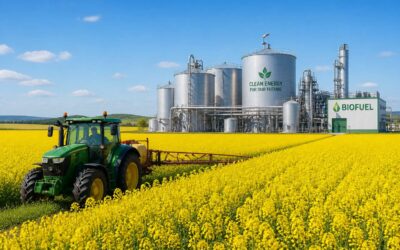
Economic impacts emerge from blending mandates, subsidies, and incentives, turning policy into practical opportunity. Local value chains expand—from feedstock to fuel—creating jobs and reducing import reliance.
- Production subsidies for new biofuel plants
- Tax credits and import duty relief for certified blends
- Off-take guarantees and green procurement incentives
Sustainability standards and certification
Policy and Regulation are the wind at our backs—turning a green dream into a working, profit-making reality. In South Africa, stable rules make biofuels and climate change goals practical, not romantic fantasies. When targets align with real markets, transport futures look greener and a tad less smoky.
Regulation acts as vault and compass—requiring clear reporting and lifecycle verifications. Predictable rules invite investment, while farmers and processors plan long horizons.
Economic impacts emerge from policy seeds: local jobs, smoother supply chains, and reduced import dependence. When standards bite, the market rewards sustainable choices without puffed-up promises.
- RSB certification
- ISCC sustainability standards
- SABS/SANS conformity
Market dynamics and pricing carbon
Policy in South Africa acts as a compass: when rules stay steady, capital follows and projects move from dream to delivery. A predictable tempo lets farmers, processors, and financiers plan across years.
Regulation acts as vault and compass—requiring clear reporting and lifecycle verifications. It steadies certainty, turning risk into a calculable cost of doing business.
- Clear reporting and traceability across feedstocks
- Lifecycle verifications that prove real emissions savings
- Transparent incentives and blending mandates aligned with market needs
Economic impacts emerge as price signals take root: local jobs, smoother supply chains, and less import dependence. When carbon pricing aligns with marketplace incentives, market dynamics shift toward domestic biofuel producers, a frame that ties into biofuels and climate change.
Rural development and job creation through biofuels
Policy in South Africa acts as a compass; when rules stay steady, capital follows and projects move from dream to delivery. For many rural growers, biofuels and climate change feel like a shared pact—yielding livelihoods and cleaner air.
Regulation acts as vault and compass—clear reporting and lifecycle verifications reduce uncertainty, turning risk into a calculable cost of doing business. It emphasizes transparency and integrity across feedstock sourcing and processing.
Economic impacts emerge as price signals take root: local jobs, smoother supply chains, and less import dependence.
- Farmers gain revenue from dedicated feedstocks
- Local processors expand and hire technicians
- Rural communities attract ancillary services and maintenance jobs
Together, they nurture rural resilience, turning fields into engines of regional progress.
Trade and geopolitical considerations
In South Africa, policy can feel like a gale—biofuels and climate change meet at a crossroads where clarity becomes capital. “Policy is the compass that guides risk toward opportunity,” a farmer once said. When rules stay steady, capital follows and projects move from dream to delivery!
Regulation acts as vault and compass—clear reporting and verifications convert uncertainty into a calculable cost of doing business. It threads transparency through feedstock sourcing and processing, inviting investors to trust the journey and communities to share the harvest.
- Transparent reporting
- Independent verifications
- Regional standards
We see economic signals emerge as markets bend toward opportunity: local jobs grow, smoother supply chains stabilize prices, and import dependence recedes, turning farms into engines of regional resilience and opportunity.
Trade policy and geopolitics shape this evolving story. Cooperation and cross-border investment keep energy closer to home and extend South Africa’s role in the biofuels and climate change dialogue.
Environmental and Social Considerations
Land use, water, and biodiversity impacts
In South Africa, land, water, and biodiversity aren’t abstract variables—they are the weathered realities behind biofuels and climate change policy. Expanding feedstock areas can squeeze grazing lands and native ecosystems, while water scarcity intensifies competition between crops, households, and industry. The right choices keep ecosystems resilient and fuel lifecycles credible, instead of becoming a punchline about “green fuel at any cost.”
- Target marginal or degraded lands to minimize competition with food security
- Adopt water-efficient farming and precision irrigation to curb consumption
- Preserve biodiversity corridors and native habitats to sustain ecological services
South Africa’s journey with biofuels and climate change hinges on transparent, science-based land and water accounting. When communities and ecosystems are safeguarded, the climate benefits stay honest and real—not a rerun of past misfires.
Food security and land competition
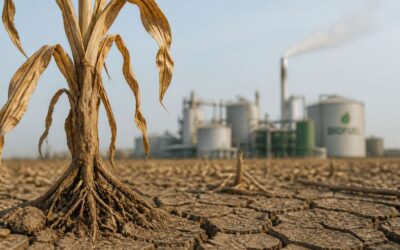
In South Africa, environmental and social stakes collide where food security and land competition intersect with energy policy. The heartbeat of biofuels and climate change policy depends on land that can feed people, sustain ecosystems, and power industries without forcing a reckoning on the least able to feed themselves. As one elder farmer reminds me, “we cannot grow a greener fuel on a parched earth.” The struggle is real, and policy must honor both harvests and habitats.
- Prioritize degraded or marginal lands to reduce pressure on food croplands and rural livelihoods.
- Invest in water-smart farming and precision irrigation to stretch scarce resources.
- Preserve biodiversity corridors and native habitats to sustain ecological services and soil health.
South Africa’s journey hinges on transparent, science-based land and water accounting. When communities and ecosystems are safeguarded, the climate benefits stay honest and real, not a rerun of past misfires.
Communities, equity, and social license to operate
More than half of rural South Africans rely on farming for livelihoods. We must balance energy needs with food, water, and habitat. As an elder farmer says, “we cannot grow a greener fuel on a parched earth!”
Communities deserve a fair share of benefits, equity in sourcing, and a social license earned through real participation.
- Transparent governance and local voices in planning
- Equitable benefit sharing and upskilling
- Respect for land and water rights
Without this social license, projects falter, investments fade, and climate benefits slip. The conversation around biofuels and climate change must stay rooted in people and place.
Food-feed-fuel balance and policy responses
Across rural South Africa, drought and uncertain rains sharpen the food-feed-fuel balance into a daily calculus. Our landscapes remind us that biofuels and climate change are not abstract concepts, but choices with real consequences for crops, cattle, and communities. When fuel crops win at the expense of staple foods, trust frays and climate goals slip.
- Cap non-food feedstock shares and prioritize diversified, locally grown inputs to protect staples.
- Invest in water-smart irrigation, soil restoration, and climate-resilient farming.
- Embed transparent planning and community participation to earn a lasting social license.
Balancing the equation is not a setback but a pathway to sustainable progress—where biofuels and climate change efforts support thriving farms and thriving futures.
Technology, Innovation, and Future Prospects
Next-generation feedstocks and municipal waste
Technology is turbocharging the biofuels scene in South Africa, turning waste streams into clean energy with surprising reliability. Early pilots show emissions dipping and feedstock costs stabilizing as logistics tighten and scale economics kick in. It’s practical momentum, not a pipe dream!
Next-generation feedstocks and municipal waste offer a lifeline for resilient energy systems.
- Algae grown in wastewater ponds
- Lignocellulosic residues from timber and agricultural byproducts
- Urban green waste and diverted organic streams
- Food and beverage industry residues
By the next decade, modular biorefineries, enhanced pretreatment, and waste-to-fuel platforms promise to localize production, cut costs, and boost rural development—turning municipal refuse into value while reducing dependence on imported energy. This convergence gives a pathway where biofuels and climate change can be tackled together.
Algae and non-food feedstocks
In South Africa’s clean-energy dialogue, algae blooms as a bold answer to climate pressures—the sector reports up to 60% lower lifecycle emissions than fossil diesel in pilots. This is not a dream; it’s a threshold we’re stepping over, fueled by data and determined hands. Biofuels and climate change are no longer distant neighbors; they are co-narrators of energy future.
- Compact photobioreactors on farms
- Efficient pretreatment for residues
- Local waste-to-fuel partnerships
Advances in photobioreactor design and algae strain optimization are lifting productivity while reducing water use. Non-food feedstocks—from agricultural residues to industrial side streams—are now choreographed into integrated platforms that sip energy and spit out fuel with lower capital risk.
Looking ahead, micro-refineries near agricultural hubs could stabilise costs and spur rural development, turning waste into power and jobs. With careful governance and standards, a tight alliance between policy and industry can deliver dependable energy while protecting water and land.
Carbon capture, utilization, and storage integration
In the energy frontier, carbon capture, utilization, and storage is the hinge that could swing biofuels and climate change toward balance. Pilot projects clock CO2 abatements of up to 60% in algae-based systems, and I’ve seen the data glow with possibility as dawn breaks over the Karoo.
Technology and innovation are weaving resilience into the biofuel value chain. Integrated, modular refineries near farms capture emissions at the source, reuse CO2 to cultivate algae, and convert residues into fuels with smarter water use.
- Modular CCS-enabled biorefineries aligned with local feedstocks
- CO2 utilization loops that turn exhaust into cultivation feed
- Governance and monitoring that protect water and land
Looking ahead, South Africa could harness these advances to stabilise costs, spur rural development, and knit together farmers, researchers, and policymakers in a shared energy story.
Economic viability and policy-aligned research priorities
Rural South Africa is rewriting its energy story, turning sun, wind, and farm waste into liquid fuel. In pilots across algae and non-food streams, CO2 abatements hover around 60%, turning climate ambitions into practical gains. Here, biofuels and climate change intersect—technology that cuts emissions while strengthening rural livelihoods and restoring a delicate balance between farming and energy.
Economic viability rests on policy frameworks that de-risk investment, reward lifecycle savings, and safeguard water and land. Policy-aligned research priorities should map local feedstock networks, scale modular biorefineries near farms, and pilot digital governance tools for traceability and transparency.
- Local feedstock mapping and resilient supply chains that keep farmers at the center
- Incentive structures and financing models that reward lifecycle savings and rural job creation
- Robust governance, environmental standards, and community engagement through transparent monitoring

0 Comments