Environmental Impact of Biofuels
Deforestation and Land Use Change – How biofuel crop cultivation leads to forest loss and habitat destruction
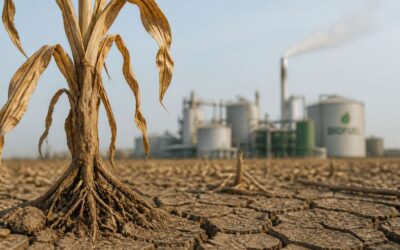
Every year, vast tracts of pristine wilderness vanish beneath the plow, as the pursuit of biofuel crop cultivation accelerates. The environmental impact of biofuels disadvantages manifests most starkly through deforestation and land use change, eroding ecosystems once teeming with biodiversity. In South Africa, this relentless push for biofuels often results in the destruction of habitats that are crucial for native flora and fauna, creating a ripple effect that threatens ecological stability.
As forests give way to monoculture plantations, carbon sequestration diminishes, paradoxically undermining one of the primary benefits touted by biofuel advocates. The loss of natural landscapes not only accelerates soil erosion but also diminishes the land’s capacity to retain water, leading to increased flood risks and habitat fragmentation.
- Deforestation accelerates climate change
- Habitat destruction endangers native species
- Land use change compromises ecosystem resilience
While biofuels are often championed as a cleaner energy alternative, the environmental costs embedded within these land use changes reveal a more complex, often troubling narrative—one that underscores the darker side of biofuels disadvantages and questions their sustainability in regions like South Africa. The delicate balance between agricultural expansion and environmental preservation is a challenge that cannot be ignored in this ongoing debate.
Water Consumption and Pollution – The high water footprint and potential for water contamination from biofuel farming
Biofuels may seem like a greener energy solution, but their environmental toll often paints a different picture. One of the most pressing biofuels disadvantages is their high water consumption. Cultivating biofuel crops requires vast amounts of water, putting additional pressure on already strained water resources in South Africa. This can lead to reduced water availability for local communities, agriculture, and natural ecosystems.
Moreover, biofuel farming isn’t just water-intensive; it also poses significant pollution risks. Excess fertilizers and pesticides used in crop cultivation can leach into nearby water bodies, contaminating drinking water sources and harming aquatic life. This runoff can cause algal blooms and deplete oxygen levels in rivers and lakes, further threatening biodiversity.
For regions grappling with water scarcity, these biofuels disadvantages are particularly alarming. The balance between energy needs and environmental preservation becomes even more fragile when water and pollution concerns are added to the equation. As the debate around biofuels continues, understanding these hidden costs is crucial for making informed decisions about sustainable energy futures.
Greenhouse Gas Emissions – Analysis of emissions produced during biofuel production compared to fossil fuels
The promise of biofuels as a sustainable alternative to fossil fuels often masks a more troubling reality—one that extends beyond the surface of green energy claims. When we examine the greenhouse gas emissions produced during biofuel production, the picture becomes complex. While biofuels are generally touted as carbon-neutral, recent studies reveal that their lifecycle emissions can sometimes rival or even surpass those of traditional fossil fuels.
This paradox arises from the energy-intensive processes involved in cultivating, harvesting, and converting biofuel crops. For example, the use of heavy machinery, fertilizers, and chemical inputs contributes significantly to the overall carbon footprint. In South Africa, where water scarcity and pollution are pressing concerns, these biofuels disadvantages become even more pronounced, exacerbating environmental strain.
To truly grasp the impact, consider these factors:
- Emissions from land clearing and deforestation for biofuel crops
- Energy consumption during refining and transportation
- Potential release of stored carbon from disturbed soils
Such elements highlight the complexity of evaluating biofuels’ environmental impact. Despite their renewable intent, the shadow of increased greenhouse gas emissions looms large, challenging the narrative of biofuels as unequivocally green energy sources.
Economic Challenges of Biofuels
Food Price and Security Concerns – The impact of biofuel crop competition on global food supplies
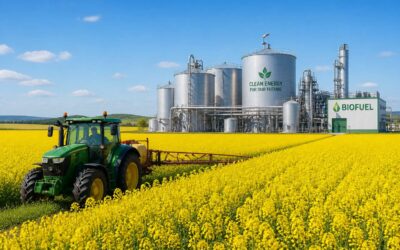
In the quest to reduce reliance on fossil fuels, biofuels have emerged as a seemingly sustainable alternative. However, beneath their green veneer lie profound economic challenges that threaten global stability. One of the most insidious biofuels disadvantages is how the competition for land and resources drives up food prices, often leaving vulnerable populations in South Africa and beyond struggling to access essential nutrition. This competition between biofuel crops and staple foods creates a paradox—pushing food costs higher while promising greener energy.
As land is diverted to cultivate biofuel crops, the ripple effect on food security becomes undeniable. The scarcity of arable land results in decreased agricultural productivity for food crops, exacerbating hunger in regions already grappling with food insecurity. The shift impacts not only local markets but also the global supply chain, where the push for biofuels can distort prices and availability. When food becomes a commodity for energy, the human cost is often overlooked, revealing one of the most significant biofuels disadvantages in today’s interconnected world.
Cost of Production and Subsidies – Financial viability issues and dependency on government support
The economic viability of biofuels remains a contentious issue, often overshadowed by their touted environmental benefits. The high cost of production for biofuels, driven by expensive feedstocks and complex refining processes, frequently renders them less competitive than traditional fossil fuels. This financial hurdle means that many biofuel projects rely heavily on government subsidies to stay afloat, creating a precarious dependency that questions their long-term sustainability.
Furthermore, the reliance on subsidies distorts market dynamics, often leading to an inefficient allocation of resources. For instance, substantial public funds are diverted toward biofuel industries that still struggle to generate profit without external support. This dependency not only strains government budgets but also fuels debates about economic fairness and the true cost of biofuels disadvantages in the global energy landscape.
In essence, the economic challenges of biofuels highlight a paradox: the pursuit of greener energy solutions can inadvertently perpetuate financial instability and dependency. As the industry continues to evolve, understanding these underlying costs is essential to grasp the full scope of biofuels disadvantages and their impact on economies, especially in regions like South Africa where economic resilience is vital.
Market Volatility and Investment Risks – Unpredictability in biofuel markets and technological uncertainties
The promise of biofuels as a sustainable energy source often masks a more troubling reality—market volatility and investment risks loom large over this sector. Unlike traditional fuels, biofuels markets are inherently unpredictable, shaped by fluctuating feedstock prices, policy shifts, and technological uncertainties. This unpredictability can swiftly turn promising projects into financial quagmires, deterring investors who seek stability in their ventures.
South Africa, with its burgeoning energy needs, faces a particular dilemma. The industry’s reliance on emerging technologies that are still in flux amplifies the risks. For example, advancements in biofuel production processes may suddenly render current methods obsolete, leaving existing investments stranded. The volatility discourages long-term commitments, creating a cycle where uncertainty breeds hesitation.
To understand the depth of biofuels disadvantages, consider this: the industry is plagued by an intricate web of risks, from unpredictable market demand to unpredictable technological breakthroughs. These factors combine to make investment in biofuel projects a gamble—one that can lead to financial losses and stalled progress, especially in economies like South Africa where stability is crucial for growth.
Technical and Efficiency Limitations
Lower Energy Density – Comparison of energy output between biofuels and traditional fossil fuels
In a world eager for greener energy, biofuels often shine as a promising solution. Yet, beneath their verdant veneer lurk significant biofuels disadvantages that challenge their true potential. One critical limitation is their lower energy density compared to traditional fossil fuels. While gasoline and diesel pack a punch with high energy content, biofuels such as ethanol and biodiesel deliver a gentler, less potent punch, meaning more volume is required to produce the same amount of power.
This disparity translates into practical inefficiencies—vehicles consuming more fuel, longer refueling stops, and increased storage needs. Such logistical hurdles can undermine the sustainability narrative often associated with biofuels. Moreover, the comparison of energy output reveals that biofuels, despite their renewable promise, may fall short in providing the same robust performance as fossil fuels, raising questions about their true environmental and economic viability.
- The lower energy density of biofuels
- Reduced efficiency in energy conversion
- The need for larger storage and distribution infrastructure
As South Africa ramps up its renewable energy ambitions, understanding these biofuels disadvantages becomes crucial. After all, the journey toward sustainable energy must balance ecological benefits with practical efficiency to truly transform our energy landscape!
Production Efficiency – Challenges in scaling up biofuel manufacturing sustainably
Scaling up biofuel production presents formidable technical and efficiency hurdles that threaten to dim the green promise. While the allure of renewable energy captivates many, the reality of manufacturing biofuels at an industrial scale remains riddled with challenges. The complex process demands vast inputs of raw materials, intricate conversion techniques, and precise control—each step susceptible to inefficiencies. These constraints often result in lower yields, making the pursuit of sustainable biofuels a logistical and economic tightrope walk.
Furthermore, the production efficiency of biofuels is hindered by inherent limitations in crop growth cycles and conversion technologies. Unlike the swift, relentless energy output of fossil fuels, biofuel manufacturing is sluggish, often requiring months or even years to cultivate crops, harvest, and process them. This sluggishness compounds market volatility and investment risks, fueling uncertainty for stakeholders. The biofuels disadvantages become glaring when considering the scale needed to replace traditional fuels, exposing the fragile balance between ecological benefits and practical feasibility.
- Resource-intensive cultivation that competes with food production
- Dependence on weather conditions affecting crop yields
- High energy input for processing, diminishing overall sustainability
These layered obstacles reveal that, despite the noble veneer, biofuel manufacturing remains a technically demanding pursuit—one that often struggles to deliver on its environmental promises without compromising efficiency and economic viability. The journey toward truly sustainable biofuels must grapple with these inherent limitations, lest the disadvantages overshadow their potential benefits.
Compatibility and Infrastructure – Issues related to adapting existing engines and fueling infrastructure
Despite the shimmering promise of renewable energy, biofuels disadvantages reveal a labyrinth of technical and infrastructural challenges that many overlook in their quest for sustainability. One of the most glaring issues is the incompatibility of biofuels with existing engines and fueling infrastructure. Vehicles designed for petrol or diesel often require costly modifications to run smoothly on biofuels, creating a barrier to widespread adoption. The compatibility problem extends beyond vehicles; fueling stations must be upgraded or rebuilt, demanding significant investment and logistical planning.
In South Africa, where the energy landscape is already complex, integrating biofuels into the current infrastructure proves to be an uphill battle. The transition involves navigating a web of technical hurdles, from ensuring stable fuel quality to developing compatible storage and dispensing systems. This technological disconnect exacerbates biofuels disadvantages, making their adoption a slow and expensive process. As a result, the vision of a sustainable future faces the stark reality of infrastructural limitations that threaten to eclipse potential environmental benefits.
Social and Ethical Concerns
Impact on Indigenous and Rural Communities – Displacement and land rights issues associated with biofuel crop farming
In the quiet corners of South Africa, the pursuit of biofuels has sparked a complex tapestry of social and ethical dilemmas. While the promise of greener energy beckons, the reality often leaves indigenous and rural communities facing displacement and land rights crises. As biofuel crop farming expands, ancestral lands are sometimes repurposed without proper consultation, eroding centuries-old connections to the soil.
This disruption isn’t merely a loss of land; it threatens the very fabric of community life. Indigenous peoples, who have stewarded their environments with reverence, find their sovereignty compromised. The encroachment of biofuel plantations often leads to conflicts over land ownership, creating rifts that are difficult to mend. In some cases, local populations are pushed aside to make way for lucrative biofuel projects, raising urgent ethical questions about land use and community consent.
Furthermore, the push for biofuel production can exacerbate existing inequalities. Rural communities may become caught in a vicious cycle of dependency, where land meant for sustenance is converted into cash crops. This shift can undermine local food security and deepen social divides. The tangled web of biofuels disadvantages becomes clear: environmental benefits are often shadowed by profound social costs that threaten the delicate balance of indigenous and rural livelihoods.
Labor Conditions and Fair Trade – Examination of labor practices in biofuel plantations
Behind the glossy veneer of sustainable energy lies a less glamorous reality—labor conditions on biofuel plantations often resemble a bygone era of exploitation. Workers, sometimes under the guise of modernization, face long hours, inadequate wages, and minimal safety measures. It’s a paradox: a green alternative that fuels social injustice. In regions like South Africa, where biofuels are touted as a pathway to energy independence, these labor practices remain a dark underbelly of the industry.
Adding insult to injury, fair trade principles are frequently overlooked in the rush for biofuel profits. Consumers may be unaware of the opaque supply chains that connect their fuel to questionable labor practices miles away. To navigate this murky terrain, some organizations advocate for transparent, ethically sourced biofuels, yet the reality is often far from ideal.
- Unequal bargaining power
- Low wages and poor working conditions
- Weak enforcement of labor laws
Such issues underscore the core of biofuels disadvantages: ethical concerns that challenge the very notion of sustainability. When profit trumps people, the ecological gains achieved through biofuel use become tarnished by social inequities. In this delicate dance of development, it’s imperative to scrutinize not just the environmental footprint but also the human cost embedded in the industry’s fabric.
Ethical Dilemmas – Balancing environmental benefits against social costs
Behind the shimmering allure of green energy lies a shadowed truth—biofuels disadvantages cast a pall over their seemingly noble promise. Ethical dilemmas haunt this industry, where the pursuit of sustainability often clashes with the stark realities faced by vulnerable communities. It’s a paradox: the drive to reduce carbon footprints can inadvertently perpetuate social injustices that scar the very fabric of society.
In regions such as South Africa, where biofuels are heralded as a beacon of energy independence, troubling practices persist beneath the surface. Low wages, labor exploitation, and weak enforcement of labor laws create a landscape where workers are left to suffer in silence. These biofuel plantations, cloaked in the guise of modernization, often resemble the dark corridors of a bygone era—where human rights are secondary to profit margins.
Moreover, the ethical questions deepen when considering fair trade principles—often overlooked in the race for economic gain. Consumers, unaware of opaque supply chains, unwittingly endorse biofuels that may be rooted in exploitation. This moral quandary underscores one of the core biofuels disadvantages: the compromise of social integrity in the name of ecological progress.
- Unequal bargaining power
- Low wages and poor working conditions
- Weak enforcement of labor laws
Such issues serve as a stark reminder that the pursuit of renewable energy should not come at the expense of human dignity. When profit outweighs people, the very essence of true sustainability is compromised, turning a green solution into a vehicle of social injustice. As the industry advances, it becomes increasingly vital to scrutinize not just the environmental footprint but also the moral cost embedded within the biofuels disadvantages—a haunting reminder that sometimes, progress is a double-edged sword.
Alternative Perspectives and Future Outlook
Potential for Second-Generation Biofuels – Emerging technologies aimed at reducing disadvantages
While second-generation biofuels are often heralded as a promising solution to reduce reliance on fossil fuels, they are not without their own set of biofuels disadvantages. Emerging technologies aim to tackle these issues head-on, offering a glimpse into a future where biofuels might become truly sustainable. But the path forward remains riddled with obstacles that demand careful consideration.
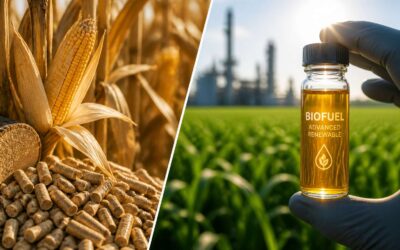
One of the most exciting developments is the advent of advanced biotechnologies that utilize non-food biomass, such as agricultural residues and waste materials. These innovations could significantly lessen the pressure on land use and food security—the core concerns within the realm of biofuels disadvantages. Some researchers are exploring genetically engineered microbes capable of converting biomass directly into biofuel, bypassing the traditional, resource-intensive processes altogether.
- Improved feedstock processing techniques
- Enhanced enzyme efficiency
- Innovative fermentation methods
Despite these advancements, challenges persist. Scaling up these technologies in a way that is economically viable and environmentally friendly remains a formidable hurdle. As the industry navigates these complexities, it’s clear that the future of second-generation biofuels depends on breakthroughs that can mitigate their current biofuels disadvantages while unlocking their full potential. The quest for truly sustainable biofuels continues, driven by innovation and the relentless pursuit of a greener tomorrow.
Policy and Regulation – Role of government in mitigating negative impacts
The future of biofuels holds promise, but the shadows cast by biofuels disadvantages are hard to ignore. Governments worldwide are grappling with the challenge of regulating this emerging industry, aware that without proper oversight, unintended consequences could outweigh benefits. Policy and regulation play a pivotal role in steering biofuel development toward sustainability, balancing economic growth with environmental preservation.
In South Africa, policymakers are increasingly cautious, recognizing that unchecked expansion of biofuel production can exacerbate land use change and threaten food security. To mitigate these biofuels disadvantages, some nations are considering measures such as stricter land use policies, incentives for sustainable feedstock cultivation, and investment in advanced biofuel technologies.
- Implementing clear standards for environmental impact assessments
- Providing subsidies for second-generation biofuels that utilize waste biomass
- Enforcing fair labor practices within biofuel supply chains
Such strategic interventions could neutralize some of the biofuels disadvantages, fostering a more responsible and equitable industry. As the debate heats up, the role of government becomes clearer: guiding innovation while safeguarding ecological and social integrity. The road ahead demands vigilance, innovation, and unwavering commitment to truly sustainable biofuel practices.
Research and Innovation – Areas for future development to address current biofuel drawbacks
As the quest for sustainable energy intensifies, researchers and industry pioneers are exploring innovative avenues to overcome some of the most persistent biofuels disadvantages. The future of biofuels hinges on breakthroughs that can transform these renewable resources from environmental concerns into genuinely green alternatives. In this landscape, emerging technologies like algae-based biofuels and genetically modified feedstocks promise to reduce land use change and water consumption, addressing some of the critical biofuels disadvantages.
Moreover, investment in second-generation biofuels—derived from waste biomass and non-food crops—offers a compelling pathway to mitigate the food security issues often associated with biofuel crop cultivation. These advancements could dramatically lower greenhouse gas emissions and enhance production efficiency, making biofuels a more responsible option. To achieve this, some experts suggest an emphasis on research and development in areas such as enzyme technology and feedstock optimization.
- Enhancing feedstock versatility to utilize agricultural residues and urban waste streams.
- Developing more energy-dense biofuels to compete effectively with fossil fuels.
- Implementing policies that incentivize sustainable practices and penalize environmentally harmful ones.
While challenges persist, the horizon is bright with possibilities. The ongoing pursuit of innovation in biofuel technology could help surmount current disadvantages, paving the way for a cleaner, more sustainable energy future—especially in regions like South Africa, where resource constraints demand smarter, more efficient solutions. The road ahead is undoubtedly complex, but with concerted effort, the potential to transform biofuels disadvantages into opportunities for growth and sustainability remains within reach.

0 Comments