Types of Biofuels and Their Applications
First-generation Biofuels – Overview and common uses in transportation and industry
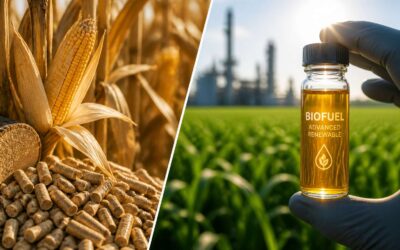
First-generation biofuels mark the dawn of sustainable energy solutions, harnessing the power of crops like corn, sugarcane, and soybean. These fuels are crafted through well-established processes, making them the most accessible form of bioenergy. They primarily find their purpose in transportation, fueling cars, trucks, and even some industrial machinery. It’s fascinating to see how biofuels are used to reduce reliance on fossil fuels while supporting local agriculture.
In South Africa, these biofuels have become a vital bridge towards greener mobility. They are often blended with traditional fuels to create a more environmentally friendly option that can seamlessly integrate into existing infrastructure. Common uses include bioethanol in petrol engines and biodiesel in diesel-powered vehicles, contributing significantly to reduction in greenhouse gas emissions. As the demand for sustainable energy grows, understanding how biofuels are used in various sectors becomes increasingly important.
Second-generation Biofuels – Advanced biofuels derived from non-food biomass
Second-generation biofuels represent a leap forward in sustainable energy. Unlike first-generation biofuels, they are derived from non-food biomass, such as agricultural residues, wood chips, and dedicated energy crops. This approach avoids competing with food production and makes better use of existing resources.
These advanced biofuels are not only more sustainable but also more efficient. They can be converted into bioethanol or biodiesel using innovative processes like cellulosic fermentation. This technology allows us to understand how biofuels are used in a way that significantly reduces greenhouse gas emissions and environmental impact.
In South Africa, second-generation biofuels hold promise for diversified energy sources and rural development. They can be used in existing engines with minimal modifications, making the transition seamless. As demand for cleaner energy rises, these biofuels are poised to play a crucial role in our energy landscape.
Third-generation Biofuels – Algae-based biofuels and their unique applications
Third-generation biofuels, born from the boundless potential of algae, shimmer with promise like a hidden treasure beneath the ocean’s surface. These remarkable biofuels are derived from algae—organisms that flourish in water, converting sunlight into energy with astonishing efficiency. Their applications extend beyond mere transportation; algae-based biofuels can power entire industries, fueling ships, airplanes, and even remote installations where traditional fuel sources falter.
What sets these biofuels apart is their ability to thrive on non-arable land, making them a beacon of sustainability in a world grappling with land scarcity. Algae can produce significantly higher yields per hectare than terrestrial crops, transforming the landscape of renewable energy. As we explore how biofuels are used, algae-based options emerge as a versatile contender, capable of reducing greenhouse gases and revitalizing rural economies in South Africa.
In fact, the unique applications of algae biofuels include:
- Marine fuel for shipping industries, reducing maritime emissions
- Fuel for aviation, promising cleaner skies for future generations
- Supplementary energy source in remote or off-grid locations
With their rapid growth rates and minimal resource needs, algae-based biofuels exemplify innovation—an elegant solution that converges technology, ecology, and economy. As the world pivots toward sustainable energy, these biofuels stand ready to redefine how biofuels are used, illuminating a path toward a greener tomorrow.
Biofuel Production Processes
Fermentation and Conversion Technologies – How biomass is transformed into bioethanol and biobutanol
In the intricate dance of transforming raw biomass into usable biofuels, fermentation and conversion technologies play a starring role. These processes are the unseen engines behind how biofuels are used to power industries and vehicles, often with startling efficiency. During fermentation, microorganisms such as yeast convert sugars from biomass into ethanol, a process that has been refined over decades to maximize yield and sustainability.
But the journey doesn’t end there. Conversion technologies further refine these biofuels into forms suitable for various applications. For instance, the biomass can undergo chemical or thermochemical processes to produce biobutanol, a biofuel increasingly seen as a promising alternative fuel in South Africa’s energy landscape. These advanced methods unlock the potential of non-food biomass, allowing us to explore how biofuels are used beyond traditional expectations.
Understanding these processes reveals a complex yet fascinating picture—one where each step brings us closer to sustainable energy solutions. The question remains: how biofuels are used continues to evolve as technology unlocks new pathways for cleaner, more efficient fuel production.
Transesterification Process – Producing biodiesel from vegetable oils and animal fats
The transesterification process stands as a cornerstone in the realm of biofuel production, transforming everyday vegetable oils and animal fats into a vital component of renewable energy—biodiesel. This process, often described as a chemical ballet, involves mixing these oils with an alcohol—commonly methanol—catalyzed by a substance like sodium or potassium hydroxide. The magic unfolds as triglycerides in the oils are split, producing biodiesel and glycerol as a byproduct.
What makes transesterification so captivating is its ability to harness waste oils and non-food feedstocks, turning potential pollutants into powerful fuel. This method not only supports sustainability but also exemplifies how biofuels are used to reduce reliance on fossil fuels. In South Africa’s quest for a greener future, biodiesel derived through transesterification is gaining traction as an environmentally friendly alternative.
- The raw vegetable oils or animal fats are heated and mixed with alcohol and catalyst.
- The mixture undergoes a chemical reaction, separating into biodiesel and glycerol.
- The biodiesel is then purified and ready for use in engines designed for cleaner, renewable fuel.
With the ability to adapt to various feedstocks, the transesterification process exemplifies how biofuels are used to create sustainable, efficient energy solutions across industries. It’s a fascinating journey from raw material to the fuel powering South Africa’s vehicles and industries—proof of innovation fueling the future of renewable energy.
Gasification and Pyrolysis – Converting biomass into bio-oil and syngas for fuel use
Gasification and pyrolysis are transformative processes that convert biomass into usable biofuels, playing a crucial role in South Africa’s renewable energy landscape. Unlike traditional fuel production, these methods break down organic materials at high temperatures in controlled environments, producing bio-oil and syngas—both vital for sustainable energy use.
Gasification involves heating biomass with limited oxygen, resulting in a mixture of carbon monoxide, hydrogen, and methane—collectively known as syngas. This versatile gas can be used directly as fuel or further refined into biofuels for transportation and industry. Pyrolysis, on the other hand, decomposes biomass without oxygen, yielding bio-oil, char, and gases. The bio-oil produced can serve as a renewable substitute for fossil fuels in various applications.
- Bio-oil as a renewable liquid fuel
- Syngas for electricity generation or as a fuel source
These processes exemplify how biofuels are used to diversify energy sources and reduce reliance on fossil fuels. They also highlight innovative pathways toward sustainable development, especially in regions like South Africa where biomass is abundant and underutilized. The journey from raw biomass to biofuel is an exciting frontier—fueling the future with cleaner, greener energy solutions.
Use of Biofuels in Transportation
Blending with Fossil Fuels – How bioethanol and biodiesel are mixed with gasoline and diesel
In the realm of sustainable transportation, blending biofuels with traditional fossil fuels offers a pragmatic approach to reducing carbon footprints. This practice, often overlooked, is vital for countries like South Africa, where energy transition is both a necessity and an opportunity. By understanding how biofuels are used in this context, we unlock a pathway to cleaner, more resilient mobility systems.
Bioethanol and biodiesel are the primary contenders in this arena, seamlessly integrated into existing fuel infrastructures. Gasoline is commonly blended with bioethanol—think E10 or E85—enhancing octane levels while decreasing reliance on pure fossil fuels. Similarly, biodiesel is mixed with diesel in varying proportions, providing a renewable substitute that can be used in standard engines without modifications. This blending process allows for an incremental shift toward sustainability, making it easier for industries and consumers to adapt.
- Flex-fuel vehicles designed for higher bioethanol blends
- Compatibility with existing fuel stations and infrastructure
- Incremental reduction in greenhouse gas emissions
Such strategies exemplify how biofuels are used not just as an alternative but as an integral component of current transportation ecosystems. The potential for these biofuel blends to foster energy independence and environmental stewardship is profound, especially as nations seek to balance economic growth with ecological responsibility.
Dedicated Biofuel Vehicles – Vehicles designed specifically to run on biofuels
In the quest for a greener future, dedicated biofuel vehicles stand out as the vanguard of sustainable transportation. These vehicles are purpose-built to run exclusively on biofuels, such as bioethanol or biodiesel, eliminating the awkward dance with fossil fuels. Think of them as the eco-friendly rebels on South African roads, challenging the status quo with every mile.
What makes these vehicles particularly fascinating is their compatibility with existing infrastructure—no need for a fleet overhaul or new fueling stations. They are engineered to seamlessly integrate into current systems, making the transition to cleaner energy less disruptive and more practical. For example, flexible-fuel vehicles can operate on higher bioethanol blends like E85, unlocking the potential for greater sustainability without sacrificing performance.
Interestingly, the use of biofuels in dedicated vehicles also fosters a significant reduction in greenhouse gas emissions, showcasing how biofuels are used as a strategic tool for environmental stewardship. As South Africa continues to explore energy independence, these vehicles serve as a testament to the innovative spirit driving the green revolution forward.
Impact on Emissions – Reducing greenhouse gases through biofuel usage
As the sun rises over South Africa’s vast landscapes, a quiet revolution stirs beneath the engines of our daily commute. The use of biofuels in transportation is transforming the way we think about emissions and environmental impact. When biofuels are used, they release significantly less greenhouse gases compared to traditional fossil fuels, making every journey a step toward a greener future.
This shift isn’t just about cleaner air — it’s about redefining energy landscapes. Biofuels, especially when integrated into existing infrastructure, help reduce our carbon footprint without disrupting daily life. For example, blending bioethanol with gasoline or biodiesel with diesel can cut emissions by up to 50%. Such innovations demonstrate how biofuels are used as strategic tools for environmental stewardship, forging a path toward sustainable mobility.
In South Africa, harnessing the potential of biofuels in transportation echoes a broader movement for energy independence. With each mile traveled, biofuels help curtail the release of harmful gases, fostering a cleaner environment. Truly, the way biofuels are used exemplifies a harmonious blend of tradition and innovation—turning the wheels of progress in the quest for a healthier planet.
Biofuels in Power Generation and Industry
Biomass Power Plants – Using biofuels for electricity and heat production
In the shadowed corridors of power generation, biofuels have begun to whisper their dark promise—transforming the way we harness energy from biomass. These biofuels, when woven into the fabric of industrial biomass power plants, breathe new life into electricity and heat production, offering a sustainable alternative to fossil fuels. As the sun sets behind rugged South African mountains, the flickering glow of biofuel-powered turbines signals a shift toward greener horizons.
Utilizing biofuels for power generation isn’t merely about reducing emissions; it’s about harnessing the latent energy locked within organic matter. Biomass power plants can convert a variety of feedstocks—such as agricultural residues, forestry waste, or dedicated energy crops—into a potent source of electricity. This process often involves thermochemical techniques like gasification or pyrolysis, which transform raw biomass into bio-oil or syngas. These gaseous fuels then drive turbines, illuminating rural communities and industrial sectors alike.
- Environmental benefits through reduced greenhouse gases
- Enhanced energy security from domestic biomass sources
- Economic vitality via local biomass supply chains
In the murky depths of industry, biofuels are not merely an alternative—they are an essential component of the evolving energy landscape. Their integration into power plants ensures a more resilient and sustainable energy future, one where the dark allure of biomass fuels illuminates a path toward environmental salvation and industrial resilience.
Industrial Applications – Biofuels as raw materials in chemical manufacturing
In the bustling corridors of modern industry, biofuels have emerged as a vital raw material, transforming traditional manufacturing processes. Their versatility is especially evident in chemical manufacturing, where biofuels serve as sustainable feedstocks for producing a myriad of essential chemicals. This shift not only reduces reliance on fossil fuels but also aligns with global efforts to lower carbon footprints.
By integrating biofuels into industrial applications, manufacturers can create bio-based plastics, solvents, and other chemicals with significantly reduced environmental impact. For example, bio-ethanol and bio-butanol derived from renewable biomass are increasingly used as raw materials, offering a cleaner alternative to petrochemical derivatives. This innovative approach fosters a circular economy, where organic waste becomes a valuable resource.
- Biofuels like ethanol are used in the synthesis of biodegradable plastics, helping industries meet eco-friendly mandates.
- Bio-oil from pyrolysis serves as a precursor for specialty chemicals, improving sustainability in chemical production.
- Bio-based chemicals contribute to the development of greener consumer products, from cosmetics to cleaning agents.
In South Africa, where agricultural residues and forestry waste are abundant, harnessing how biofuels are used in industry offers a promising pathway toward sustainable economic growth. Their role in chemical manufacturing underscores a future where industry and ecology walk hand-in-hand, driven by the humble yet mighty biofuel.
Combined Heat and Power (CHP) Systems – Efficiency improvements with biofuel-powered CHP units
Power generation is undergoing a remarkable transformation as biofuels take center stage in enhancing efficiency and sustainability. Biofuel-powered Combined Heat and Power (CHP) systems are proving to be game-changers, delivering reliable energy while significantly reducing emissions. These innovative units harness biofuels such as biogas, bioethanol, or bio-oil to produce electricity and heat simultaneously—maximizing resource use in a way that feels almost magical.
By integrating biofuels into CHP systems, industries and communities alike are witnessing a boost in energy efficiency. These systems can operate on a variety of feedstocks, turning organic waste into valuable energy. For example, organic residues from agriculture or forestry can be converted into bio-gases through gasification, feeding the CHP units and powering local industries or even entire neighborhoods.
- Organic waste conversion into biofuels, such as biogas or bio-oil.
- Efficient simultaneous production of electricity and heat.
- Reduction in reliance on fossil fuels, lowering greenhouse gas emissions.
In regions like South Africa, where energy security is a growing concern, biofuel-powered CHP units are offering a sustainable solution. They not only improve energy efficiency but also promote economic growth by utilizing abundant local biomass. As how biofuels are used continues to evolve, these systems symbolize a future where renewable energy sources power both industry and community life with wonder and purpose.
Environmental and Economic Aspects of Biofuel Usage
Carbon Lifecycle and Sustainability – How biofuels influence carbon emissions
In the grand tapestry of ecological stewardship, understanding how biofuels are used to influence the carbon lifecycle reveals a narrative both intricate and hopeful. Unlike fossil fuels, which release stored carbon into the atmosphere, biofuels hold the promise of a more balanced carbon cycle. When crops or algae are cultivated for biofuel production, they absorb carbon dioxide during growth—an act of natural sequestration that partially offsets emissions produced during combustion. This cyclical dance reduces the net carbon footprint, making biofuels a compelling alternative in South Africa’s quest for sustainable energy solutions.
Moreover, the sustainability of biofuels hinges on mindful cultivation practices and technological advancements. For example, second-generation biofuels utilize non-food biomass, minimizing competition with food supplies while bolstering environmental resilience. As we explore how biofuels are used, it becomes evident that their potential to lower greenhouse gases is profound, especially when integrated with advanced processing methods like gasification and pyrolysis. These innovations transform biomass into bio-oil or syngas, further enhancing their role in reducing atmospheric carbon levels and fostering a greener future.
Economic Benefits – Job creation and energy security through biofuel use
In the spirited pursuit of energy independence, South Africa stands at a crossroads where the economic allure of biofuels becomes impossible to ignore. Beyond their environmental charm, biofuels are a catalyst for tangible economic benefits, especially in regions eager to diversify their energy portfolio. The infusion of biofuel industries into local economies sparks a wave of job creation—ranging from agricultural laborers cultivating feedstocks to engineers refining cutting-edge processing techniques. This ripple effect extends into rural communities, often providing a much-needed economic lifeline.
Furthermore, how biofuels are used plays a pivotal role in bolstering energy security. By reducing reliance on imported fossil fuels, South Africa can better insulate itself against volatile oil markets. This strategic shift not only stabilizes prices but also cultivates a resilient energy landscape. For instance, developing domestic biofuel production facilities can transform agricultural waste into valuable commodities, turning what was once considered waste into a source of prosperity.
- Enhanced local employment opportunities across the entire biofuel value chain.
- Reduced dependency on fossil fuel imports, safeguarding the economy from international market shocks.
- Stimulated growth in ancillary sectors such as transportation, manufacturing, and research and development.
Ultimately, the economic benefits of biofuel deployment are as compelling as their ecological promise. When communities embrace how biofuels are used, they ignite a sustainable cycle of growth, innovation, and resilience—fueling a future where economic vitality and environmental stewardship go hand in hand.
Challenges and Considerations – Land use, food security, and technological limitations
While biofuels offer promising environmental and economic advantages, their use also presents notable challenges. One of the primary concerns revolves around land use. Expanding biofuel crops can encroach on agricultural land, threatening food security—an issue especially pressing in South Africa, where scarce arable land is already under strain. Balancing the need for biofuel production against food supply is a delicate act that requires innovative solutions.
Technological limitations also influence how biofuels are used. First-generation biofuels often rely on food crops, which can lead to competition with food production. Moving toward second and third-generation biofuels, derived from non-food biomass and algae, helps mitigate this problem but introduces new hurdles. These advanced biofuels demand cutting-edge technology and substantial investment, which can slow their adoption.
- High capital costs
- Limited infrastructure
- Research and development needs
Furthermore, the scalability of biofuel production remains a challenge. As demand increases, so does the pressure to find sustainable methods that do not compromise environmental integrity. Understanding how biofuels are used must include awareness of these hurdles, ensuring ongoing innovation and responsible deployment in South Africa’s unique landscape.



0 Comments