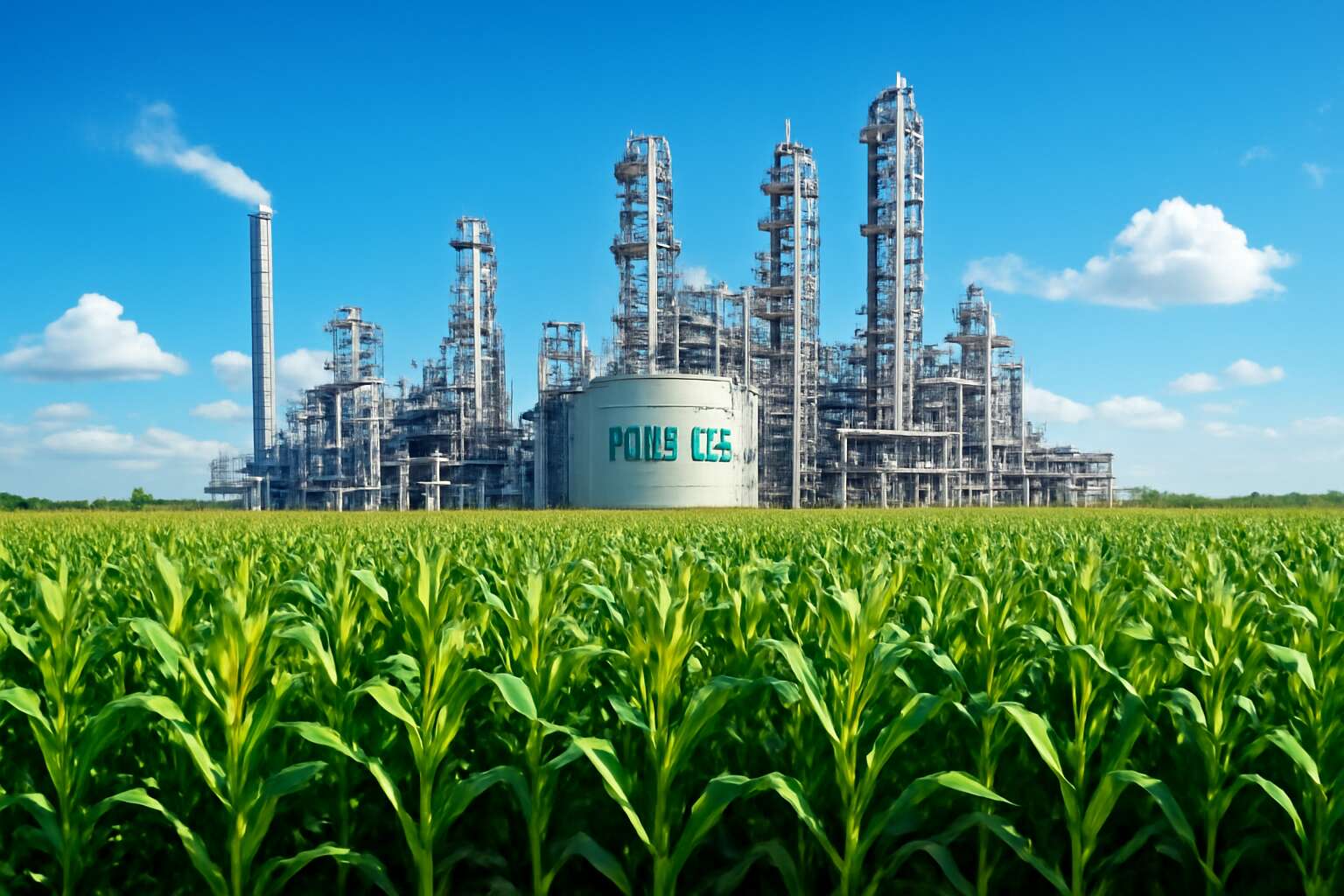
Biofuels overview and definitions
Definition and scope of biofuels
In South Africa’s sunlit valleys, energy stories rise from the soil to the street, reshaping what power can be. what are biofuels? They are fuels produced from biomass—plants, agricultural residues, or algae—transformed through science into energy for transport, heating, and power. I’ve seen farmers smile at the idea of stitching harvests into highway miles, and the image feels almost mythical: living matter becoming mobility, turning our fields into fuel and future!
Definition and scope: Biofuels span a family of fuels derived from biomass and refined for engines and grids. They include first-generation options drawn from food crops and advanced, non-food sources, often formed through fermentation or transesterification. In South Africa, this means biodiesel from canola or sunflower and ethanol from sugarcane or grain, connecting farming with energy policy and rural livelihoods.
- Feedstocks: sugarcane, maize, canola, sunflower
- Waste streams: used cooking oil, animal fats
- Algae and other non-traditional biomass
History and evolution of biofuels
Across South Africa’s sun-drenched valleys, biofuels are rewriting the road map: greener miles, local jobs, and fewer spills of the old oil habit. What are biofuels? They’re fuels crafted from biomass—plants, residues, or algae—transformed by science into energy for transport, heating, and power. It’s living matter becoming mobility—an unexpected bridge between the farm and the freeway!
History and evolution reveal a shift from simple fermentation of sugarcane and cereals into ethanol, to transesterification of vegetable oils for biodiesel, to ambitious ventures with algae and waste streams. The aim: extract more energy from diverse feedstocks while reducing land use and emissions, a trajectory that pairs agricultural knowledge with cutting‑edge tech.
- First generation (food crops): ethanol and biodiesel via fermentation/transesterification
- Second generation (non-food biomass): lignocellulosic materials and waste streams
- Third generation (advanced feedstocks): algae and premium waste-to-fuel pathways
Key categories of biofuels
In South Africa’s sunlit valleys and urban corridors, biofuels promise a gentler glide; the guiding question—’what are biofuels’—informs this overview. They are fuels drawn from biomass—plants, residues, or algae—transformed by science into energy for transport, heating, and power.
Key categories of biofuels flourish on the same soil: adaptable, sometimes preachy, often practical. By design, they cover liquid fuels for mobility, renewable gases for heat, and avant-garde blends that promise lower emissions without sacrificing performance.
- Liquid transport fuels: bioethanol, biodiesel, and renewable diesel
- Biogas and biomethane for heating and power
- Algae- and waste-derived fuels for aviation and niche engines
These branches let industry tailor solutions to local feedstocks, policy levers, and the stubborn realities of energy security.
Common misconceptions about biofuels
In South Africa’s sun-drenched valleys and bustling urban corridors, what are biofuels unfolds like a map etched in light—promises of energy that respect the land. “Biofuels are the renewable thread weaving transport and heat,” a regional analyst notes. They’re fuels drawn from biomass—plants, residues, or algae—transformed by science into energy for road, heat, and power.
What are biofuels? They are fuels born from biomass—plants, residues, or algae—that have been refined into usable energy for mobility, heating, and power. They fit into liquid transport fuels, renewable gases, and innovative blends designed to lower emissions without sacrificing performance. Common misconceptions about biofuels include:
- They are automatically carbon neutral.
- They always compete with food crops for land.
- They require vast areas and can drive deforestation.
In reality, smart biofuel systems leverage waste streams, dedicated energy crops, and advances in algae to shrink net emissions and bolster energy security.
Biofuels types and feedstocks
Generations of biofuels: first, second, and advanced
From field to fuel, the arc of biofuels asks a hard question: can our crops power our cars without stealing from plates? — what are biofuels, really, if not a bridge between food, energy, and climate? This bridge, in South Africa, is being tested harvest by harvest.
First-generation biofuels hinge on food crops—sugarcane, maize, and vegetable oils—that are familiar to farmers and markets here. They can ramp up supply quickly, but they tug at food prices and biodiversity.
- Sugarcane bagasse
- Maize stover
- Wood residues
- Algae and energy crops
Second-generation sources turn to leftovers and dedicated non-food crops: crop residues, forestry waste, sorghum, switchgrass, and fast-growing grasses. They demand tech, but they spare the plates and often fit into existing farming cycles.
Advanced biofuels, or third-generation technologies, reach for algae, synthetic fuels, and gasification-based routes—potentially carbon-neutral or negative. In sunny South Africa, these ideas glow with possibility, yet they demand patience and careful stewardship!
Overview of feedstocks by category
In South Africa, transport emissions could drop as much as 18% by 2030 if biofuel feedstocks align. South Africa stands at the crossroads where soil, sun, and engine meet. So, what are biofuels? They are liquids born from plants and waste, designed to move machines without draining the pantry of food.
Feedstocks fall into four categories:
- Crop residues and agricultural byproducts
- Forestry byproducts and wood residues
- Dedicated energy crops and fast-growing grasses
- Algae and other aquatic sources
Each category carries its own shadows and promises, reshaping farms and futures under the shade of tall stalks and quiet refineries.
I’ve walked the fields where leftovers become momentum, and I hear a future whisper through the compression of air and oil.
Emerging feedstocks and non-food options
This is a realm where horizon meets refinery: what are biofuels, if not liquids born from sunlit fields and waste, shaped by careful stewardship? They promise movement rooted in abundance, a gentler shift from fossil fuels. In South Africa’s bright climate, emissions could fall up to 18% by 2030 when feedstocks align, with equal grace!
- Algae and aquatic biomass that yield high-energy fuels with minimal land use
- Municipal and agricultural waste streams transformed into clean bio-oil
Emerging feedstocks—algae and other aquatic forms, plus non-food energy crops—are reshaping procurement, logistics, and rural livelihoods. They offer energy density, rapid growth, and the promise of cleaner transport, woven from the region’s sun, the compost heap, and the hands of farmers and engineers alike.
Regional availability and market implications
In South Africa’s sun-drenched landscape, the math adds up: emissions could fall by as much as 18% by 2030 when feedstocks align.
What are biofuels? They are liquids born from sunlit fields and waste, refined to move us with a gentler footprint. Their appeal lies in blends that fit existing engines and supply chains, avoiding the leap to uncharted tech overnight.
Biofuels types and feedstocks vary by region and policy. The following examples illustrate how availability shapes markets:
- Biodiesel from vegetable oils and recycled cooking fats
- Bioethanol from sugar-rich crops such as sugarcane, maize, and sorghum
- Advanced fuels derived from algae or municipal waste streams
Regional availability in South Africa— from the sugar belts of KwaZulu-Natal to maize zones in the Free State—drives pricing, transport logistics, and investment in refining capacity. Policy and incentives steer demand, while imports and local production compete for market share, carving a pathway for cleaner transport at scale.
Biofuel production processes and technologies
Conversion pathways: fermentation, transesterification, and gasification
Across the energy tapestry, understanding what are biofuels reveals a tale of sunlit crops, recycled wastes, and patient chemistry. When chosen wisely, lifecycle emissions can fall by up to 60% vs. fossil fuels, a bright beacon for cleaner transport. These fuels power cars, buses, and ships with a gentler footprint, as policymakers collaborate on a shared horizon!
What are biofuels in practice? Biofuel production hinges on three core conversion pathways—fermentation, transesterification, and gasification.
- Fermentation converts sugars to ethanol, a liquid fuel from crops, residues, or dedicated feedstocks.
- Transesterification uses fats or oils to yield biodiesel, compatible with diesel engines.
- Gasification thermally braids biomass into syngas for synthetic fuels via Fischer-Tropsch routes.
In South Africa, abundant feedstocks from sugarcane, maize, and municipal waste help determine which pathways shine brightest. The alchemy of production processes and technologies meets local policy, grid access, and market demand to navigate a true energy renaissance.
Advanced technologies in biofuel production
Across South Africa, the future of energy hinges on smarter chemistry and integrated infrastructure. So, what are biofuels? They are a family forged from sunlit crops, waste streams, and patient chemistry. In practice, advanced technologies push beyond simple recipes, using enzyme engineering to optimize microbial conversion, novel catalysts to accelerate key steps, and improved gasification that turns biomass into clean syngas for upgrading. In South Africa, advanced biofuel tech can slash lifecycle emissions by up to 60% compared with fossil fuels, a powerful beacon for cleaner transport.
- Enzyme engineering and consolidated bioprocessing that improve microbial conversion
- Novel catalysts and process intensification that speed up key steps
- Integrated biorefineries turning multiple feedstocks into fuels and co‑products
These innovations translate to real capacity on the ground, where feedstocks like sugarcane residues, maize by-products, and urban waste feed a flexible network of biorefineries. The outcome is cleaner transport, a steadier energy mix, and a platform for local jobs, policy alignment, and export opportunities in a rapidly evolving market.
Biofuel production process steps
In South Africa’s evolving energy landscape, biofuel production sits at the crossroads of science and practicality. what are biofuels? They are energy harvested from sunlit crops, urban waste streams, and finely tuned chemistry, refined through integrated steps that chase efficiency without sacrificing safety. The aim is to turn feedstock into clean, storable fuels with valuable co‑products that bolster local industry.
- Feedstock handling and pretreatment to unlock resilient conversion
- Selective upgrading and refinement that boost quality while trimming emissions
- Process integration and heat recovery to improve energy efficiency
- Co‑product valorisation and distribution planning to support a circular economy
In practice, this translates to biorefineries weaving together sugarcane residues, municipal waste, and forestry by‑products into a flexible energy network across provinces, with job creation and export readiness as outcomes!
Integration with existing energy infrastructure and scale
Bioenergy is not a tomorrow-only dream; it hums today in the fields, the bins, and the labs of South Africa. So, what are biofuels if not a disciplined blend of sunshine, urban waste, and engineered chemistry that refines raw potential into clean, storable energy?
When the laboratory becomes a plant and a plant scales to the grid, integration becomes the key. The following levers weave production into the energy fabric:
- Grid-compatible storage and dispatch to align with peak demand
- Modular upgrading and on-site refining to trim transport emissions
- Heat recovery and energy integration across units to lift overall efficiency
In South Africa, biorefineries weave sugarcane residues, municipal waste, and forestry by-products into a flexible energy network, binding provinces with jobs and export readiness while respecting safety and sustainability as the compass.
Environmental, economic, and policy considerations
Life cycle assessment and emissions
What are biofuels? In environmental terms, their merit shows when lifecycle thinking is front and center. A well-chosen, waste- or perennial feedstock can cut emissions, but careless farming can erase gains. Life cycle assessment reveals the full emissions picture from field to tank.
Economically, biofuels can spark rural development and new jobs, yet capital costs and price swings matter. In South Africa, regional partnerships and smart procurement help sustain communities while inviting investors to participate in a broader energy transition!
Policy considerations anchor progress. Standards, incentives, and transparent reporting guide biofuels toward credible emissions reductions. When policy leans on Life cycle assessment and clear targets, innovation flourishes without compromising ecosystems or energy security.
Environmental impact: land use, biodiversity, water
In South Africa, bioenergy sits at the crossroads of land, water, and climate. what are biofuels guide the journey— they can cut lifecycle emissions by up to a third when feedstocks are waste-based or perennial, but careless farming can erase gains. Land-use changes threaten biodiversity and push water demand higher, so stewardship must stay with the field and the tank.
- Land-use change and habitat loss
- Biodiversity disruption and ecological balance
- Increased water demand for irrigation and processing
Economically, biofuels can spark rural development, unlock smallholder opportunities, and diversify energy revenue in South Africa. Yet capital costs and price swings loom large, demanding smart procurement and stable feedstock supply from farmers to refineries.
Policy anchors progress with clear standards, incentives, and transparent reporting. When South Africa aligns policy with lifecycle thinking and credible targets, innovation blossoms while protecting ecosystems and energy security.
Economic considerations: costs, subsidies, incentives
In South Africa, bioenergy can cut lifecycle emissions by up to a third when feedstocks are waste-based or perennial. Environmental considerations demand balance—protecting ecosystems while powering the grid, threading stewardship through every field and refinery.
Economic considerations: costs, subsidies, incentives shape adoption. For those asking what are biofuels, the economics reveal capital intensity, operating costs, and price volatility that guide decisions.
- Capital costs and plant scale
- Subsidies and incentives within SA policy
- Feedstock price swings and supply security
These forces influence rural livelihoods and investor confidence as the sector grows.
Policy anchors progress with clear standards, transparent reporting, and a lifecycle-minded framework. In South Africa, credible targets and stable policy signals unlock innovation while safeguarding ecological integrity.
Policy framework and certification standards
What are biofuels? They are renewable liquids and gases devised to cut fossil dependence, but their value hinges on environmental balance. In South Africa, protecting fragile ecosystems, water resources, and biodiversity while expanding usable energy remains a guiding principle—lower emissions must not come at nature’s expense.
Economic considerations shape adoption. Biofuel ventures require capital and disciplined risk management, yet can boost rural livelihoods and create steady markets for agricultural by-products. Supplier diversity and price volatility are kept in check through diversified feedstocks and long-term off-take agreements.
- Financing models and incentives
- Market access and rural value chains
- Feedstock diversification and security
Policy framework and certification standards: credible targets, stable policy signals, and transparent lifecycle reporting unlock innovation while protecting ecological integrity. South Africa’s standards emphasize sustainability criteria, mass balance accounting, and traceability from feedstock to fuel, with independent audits to ensure integrity.

0 Comments