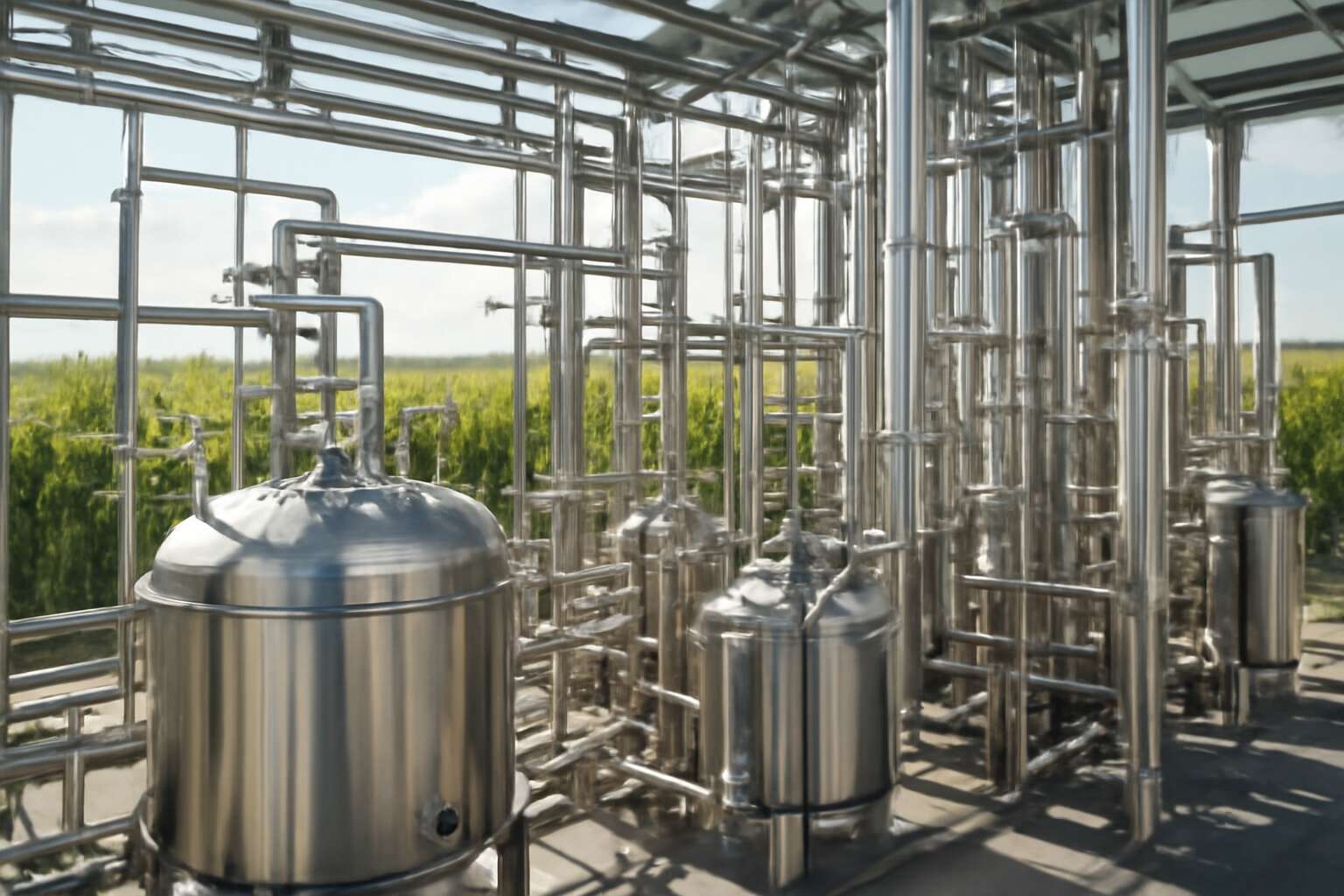
Biofuels Production: Key Concepts and Processes
Feedstocks and Availability
If you’re wondering how are biofuels made, it’s practical alchemy: plants soak up the sun, we squeeze out the sugars, and refineries turn leftovers into highway power. In South Africa, sugarcane molasses and used cooking oil pair with a clever bit of chemistry, proving green energy can be everyday fare.
Key concepts? Feedstocks and availability. Local crops and waste streams set the stage, with sugarcane, sorghum, sunflower, and UCO as common ingredients. The tightrope walk is steady supply, sustainable farming, and refinery capacity—because volume matters as much as virtue.
- Fermentation to ethanol from sugar-rich crops
- Transesterification to biodiesel from vegetable oils and fats
- Gasification and synthesis to advanced biofuels
From field to fuel, the chain is long, but the payoff is simple: cleaner transport with a bit of South African ingenuity.
Conversion Pathways and Biofuel Types
Across South Africa’s transport arteries, a striking question breathes life into every discussion: how are biofuels made—The answer blends plant-born energy with precise chemistry, and some studies claim up to 60% lower lifecycle emissions in ideal blends—a testament to wind, sun, and refinery alchemy.
At the core are three pillars: key concepts, conversion pathways, and fuel types. The craft of turning living matter into power rests on disciplined steps, measured outputs, and a respect for safety at every stage—I’ve seen this rhythm in the field!
- Fermentation to ethanol from sugar-rich crops
- Transesterification to biodiesel from vegetable oils and fats
- Gasification and synthesis to advanced biofuels
From these pillars, three pathways yield the spectrum of biofuels—ethanol, biodiesel, and advanced fuels—each tuned to emissions targets, fuel stability, and local logistics in South Africa’s energy landscape.
Upgrading, Purification, and Quality Control
In South Africa, biofuels production hinges on upgrading, purification, and tight quality control—the trio that turns raw feedstocks into dependable power. For readers wondering how are biofuels made, the answer starts with precision upgrades that raise cetane or cloud points to engine-ready specs. Purification then removes water, particulates, and trace metals, using filtration, adsorption, and drying stages. Quality control runs on-line analytics and batch testing to verify compliance with local standards before any shipment.
- Inline sensors monitor temperature, pressure, and composition
- Laboratory assays confirm purity and compliance
This flow keeps blends consistent across seasons and supply chains.
Sustainability, Economics, and Policy
In a 2023 energy outlook, well-designed biofuel programs can cut transport emissions by up to 40%. If you’re wondering how are biofuels made, the answer hinges on a precise blend of sustainability, economics, and policy. In South Africa, these forces meet at the refinery gate, where regional resources and local demand shape every decision!
Sustainability frameworks measure lifecycle impacts from cradle to tailpipe, keeping water use, land footprint, and emissions in check. Economics weighs costs, capacity, and market cycles, while policy provides blending targets, incentives, and import rules that attract investment and reduce risk.
- Lifecycle sustainability goals
- Local value-chain development
- Transparent policy frameworks

0 Comments