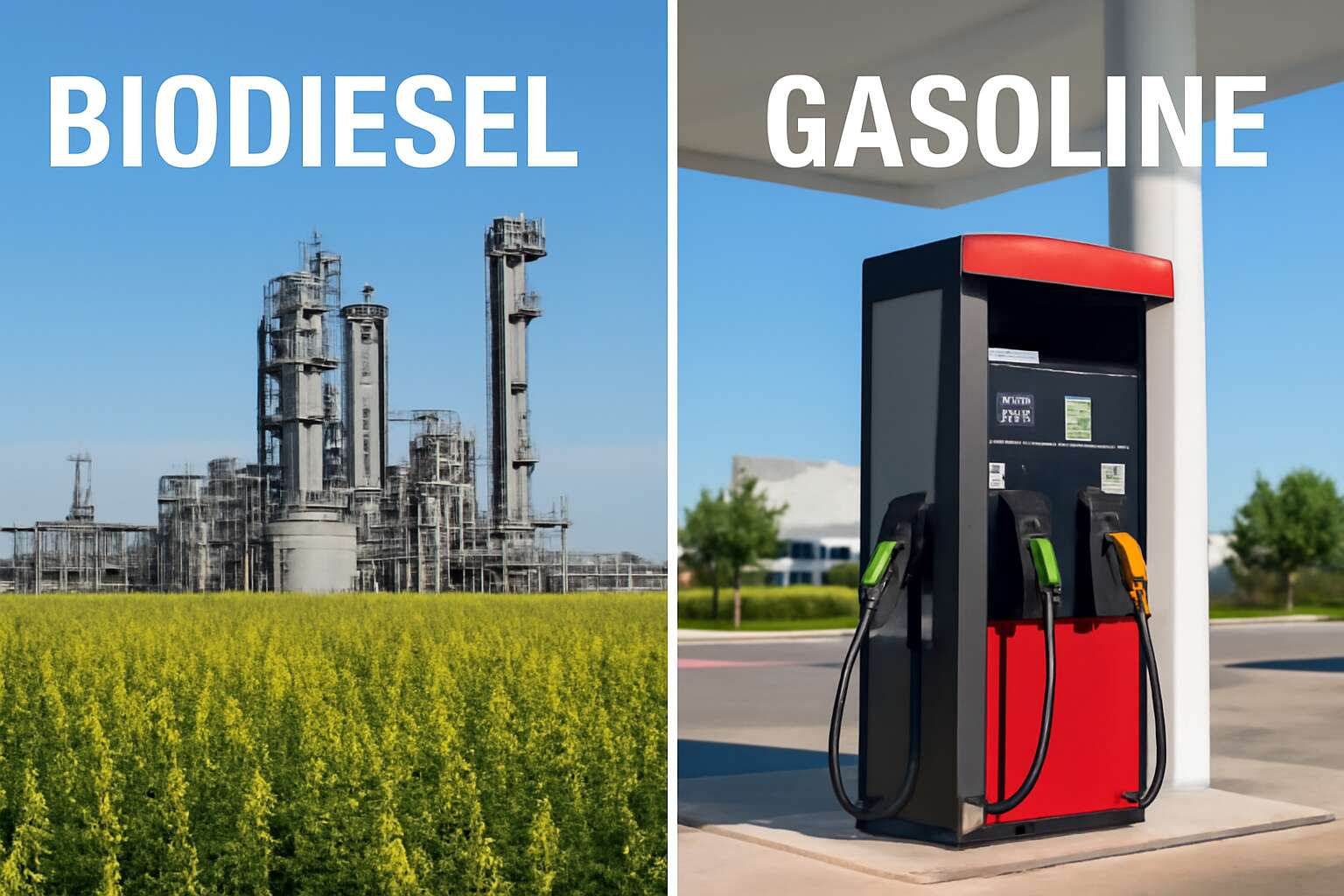
Biomass-based fuels vs gasoline: definitions and key differences
What are biofuels and gasoline? A quick glossary
Globally, biofuels account for roughly 5% of the transport fuel mix, a share that’s rising as policy aligns with cleaner, more secure energy. Biomass-based fuels challenge the status of gasoline, turning the everyday commute into a crossroad of sustainability and reliability. The debate—biofuels vs gasoline—speaks to how industries, farms, and pumps intersect in South Africa’s landscapes.
What are biofuels and gasoline? Here’s a quick glossary that fits naturally into the narrative:
- Biofuels (biomass-based fuels): fuels from organic matter like crops, waste, or algae.
- Gasoline: a refined fossil fuel used in petrol engines.
- Key differences: origin, emissions, energy density, and infrastructure needs.
In South Africa, engines, pumps, and policy are negotiating the path of blends, refining capacity, and lifecycle emissions. The ongoing discussion of biofuels vs gasoline shapes investment and day-to-day choice at the pump.
Main types of biofuels and how they’re used in transport
South Africa’s refueling landscape is quietly shifting, with biofuels vs gasoline vying for a bigger slice of the pump. Globally, biofuels account for roughly 5% of transport fuel, and that share is edging higher as policy nudges cleaner, more secure energy—and yes, the debate happens at the pump.
Biomass-based fuels—biofuels—draw energy from organic matter like crops, waste, or algae, while gasoline comes from refined crude oil. The key differences lie in origin, lifecycle emissions, energy density, and infrastructure.
Here are the main types of biofuels and how they’re used in transport:
- Bioethanol from sugars or starches; blended with petrol
- Biodiesel from oils or fats; used in diesel engines
- Renewable diesel (HVO); drop-in replacement for diesel
- Biogas/biomethane; upgraded for natural-gas engines
In South Africa, engines, pumps, and policy are negotiating blends and lifecycle emissions, shaping what climbs the pump and what stays on shelves.
Energy content, efficiency, and performance compared to gasoline
In the energy tug-of-war of biofuels vs gasoline, numbers matter. Globally, biofuels account for roughly 5% of transport fuel, and South Africa is watching blends creep into the pump with policy nudges.
Biomass fuels come from organic matter; gasoline comes from refined crude oil. The big differences are origin, lifecycle emissions, energy density, and required infrastructure. Gasoline packs about 34 MJ per liter; ethanol about 21 MJ/L. Renewable diesel and biodiesel run closer to diesel in energy content, but blends and engines matter for performance.
- Energy content and mpg implications
- Engine compatibility and fuel-system considerations
- Lifecycle emissions shaped by feedstock and processing
Lifecycle emissions hinge on feedstock and processing; energy density also shapes fuel economy and engine compatibility.
Real-world usage: biofuels in today’s fuel mix
In South Africa, biofuel blends are creeping onto the pumps, nudging policy toward cleaner air and rural livelihoods. In the ongoing conversation about biofuels vs gasoline, the real drama isn’t just chemistry—it’s a future where energy cycles through renewable feedstocks and the grid of infrastructure.
Biomass-based fuels come from organic matter—plants, waste, algae—transformed into ethanol, biodiesel, or renewable diesel. Gasoline, refined from crude oil, is energy-dense but harsher on emissions. Energy content varies: gasoline about 34 MJ per liter; ethanol around 21 MJ/L, with renewable diesel and biodiesel closer to diesel in energy density.
- Common real-world usage includes blends like E10 and B20 in today’s South African transport network.
- Engine and fuel-system design must adapt to blends to preserve performance and longevity.
- Policy nudges and supply chains are shifting the real-world mix, slowly expanding the share of biofuels on pumps.
Environmental impact and lifecycle analysis of biofuels vs gasoline
Lifecycle greenhouse gas emissions: comparing cradle to tailpipe
Across South Africa, the environmental story of biofuels vs gasoline unfolds from field to freeway. Lifecycle greenhouse gas emissions can drop by up to 60% for certain biofuels when feedstocks and energy inputs are thoughtfully managed—cradle to tailpipe. Yet the picture shifts with land-use changes, processing energy, and transport distances. A single figure can’t capture the nuance; local farming practices and the electricity grid matter as much as the fuel itself.
- Cradle: feedstock cultivation, harvest, and on-farm energy use
- Midstream: processing, refining, and distribution energy inputs
- Tailpipe: combustion emissions and vehicle efficiency
Viewed through this lens, the balance becomes a local story in South Africa, where policy, feedstock choices, and grid emissions shape outcomes.
Indirect land-use change and biodiversity considerations
In South Africa, biofuels vs gasoline decisions ripple through land, water, and biodiversity. Lifecycle thinking shows emissions can fall—when feedstocks are grown with care and energy inputs are clean—yet the gains aren’t guaranteed. The soundtrack is local, and I’ve stood in a dawn-lit field where farming practices, processing energy, and grid emissions shape every outcome!
Key considerations include:
- Indirect land-use change can erode gains when demand shifts farmland and habitats elsewhere, complicating carbon accounting.
- Biodiversity matters: diversified crops and restoration-friendly practices help protect ecosystems instead of monocultures that suppress native species.
- Policy signals and the electricity grid’s carbon intensity influence cradle-to-processing emissions as much as tailpipe exhaust.
Viewed together, the environmental impact of these fuels in South Africa hinges on governance, feedstock choices, and the greenness of processing and transport.
Air quality, pollutants, and health impacts
Traffic in South Africa’s dawn light carries more than dust—it carries a health cost. In many cities, air-quality monitors flag days when NOx and fine particulates push safety guidelines, a reminder that every fuel choice matters. The environmental story of biofuels vs gasoline unfolds across the life cycle, from farm gate to tailpipe, and the stakes are local as much as global!
- NOx and ozone precursors
- PM2.5 and ultrafines
- VOCs from processing and storage
- Sulfur oxides from fuels and refining
Lifecycle thinking shows how cradle-to-processing emissions—driven by feedstock choices and grid carbon intensity—shape air quality before any tailpipe breathes a word. The health picture hinges on pollutants released across the value chain. Where biofuels vs gasoline meet the road, the trade-offs extend to urban air quality and public health, underscoring governance and cleaner energy at every step.
Resource use: land, water, and inputs
Every litre of fuel wears a shadow—from farm fields to refinery furnaces. In South Africa, the environmental footprint of energy choices starts long before the tailpipe. The cradle-to-processing story of biofuels vs gasoline hinges on feedstock selection, land use, and the energy drawn to convert crops into fuel. In policy and grain corridors, the sense that every field choice whispers into the climate ledger persists. Our landscape’s drought-prone plains and water stress make governance and careful land stewardship essential, lest biodiversity slip away while we chase lower emission numbers!
Resource use is the quiet arithmetic behind the glow of cleaner fuels. Here are the facets that quietly determine the balance:
- Land footprint and land-use change implications
- Water demand for irrigation and processing
- Fertilizer and energy inputs powering conversion
- Soil carbon and biodiversity considerations
End-of-life, waste, and sustainability considerations
End-of-life decisions determine the true sustainability of any fuel choice. In South Africa, the question of biofuels vs gasoline extends beyond the pump to what remains after combustion. A sustainability strategist notes, “the final mile of fuel often decides the climate verdict.” The cradle-to-end-of-life footprint hinges on how residues are treated, reused, or repurposed, not only on the headline emissions.
Consider these end-of-life factors:
- Valorisation of glycerin and other byproducts from biodiesel processing
- Energy recovery from processing residues and waste heat
- Recycling of packaging, drums, and logistics waste
Ultimately, the environmental punch of biofuels vs gasoline rests on circularity as much as on engines. In practice, smarter waste handling, material reuse, and responsible feedstock stewardship can tilt the balance toward cleaner outcomes. The story of sustainability around biofuels vs gasoline is not just about emissions; it’s about how every byproduct and discarded container finds a second life.
Economic and market considerations for biofuels vs gasoline
Production costs, feedstock prices, and price volatility
In a market where the rand dances with global oil prices, the economics of biofuels vs gasoline hinge on more than energy content. The real story is cost predictability amid volatility and the resilience of supply chains.
Production costs, scale, and feedstock price fluctuations determine margins. Currency exposure and long lead times for inputs can tilt the balance, making price volatility a practical concern for buyers and suppliers alike!
- Production costs and capital investment
- Feedstock prices and supply-chain resilience
- Policy incentives and currency risk
In South Africa, local feedstocks and targeted incentives can dampen shocks and keep markets moving toward sustainable outcomes.
Policy incentives, subsidies, and tariff effects
South Africa’s fuel story feels like a wind-blown veld: the rand’s dance with global oil prices keeps margins guessing. When energy content is only part of the equation, the real drama unfolds in price predictability and supply-chain resilience. From the workshop floor to the farm gate, I’ve watched communities adapt as input costs swing with currency moves, turning the choice of biofuels vs gasoline into a test of nerves and timing!
Policy incentives, subsidies, and tariff effects add heat or ballast to market signals.
- Policy incentives that encourage lower-carbon blends and local production
- Subsidies and tax measures that smooth capital costs and feedstock volatility
- Tariffs that shield domestic biofuel markets from sudden import price shocks
In a country with vast rural networks, these levers shape margins as much as energy content does. The debate—biofuels vs gasoline—rests on policy design, currency risk, and the resilience of local supply chains, not just barrel prices.
Engine compatibility, performance costs, and consumer adoption
South Africa’s fuel ledger glints with uncertainty; price signals drift like veld wind—unpredictable and restless. The debate of biofuels vs gasoline is not only about energy content but how markets price risk and withstand import shocks. In the margins, engine compatibility and price predictability walk a tightrope through workshop floors and forecourts.
- Engine compatibility across a mixed fleet, from taxis to mining vehicles, weighs as heavily as efficiency figures.
- Performance costs—efficiency, maintenance, and cold-start reliability—shape daily budgeting for households and businesses.
- Consumer adoption hinges on fueling infrastructure, perceived reliability, and service continuity.
Currency swings and the resilience of local supply chains turn margins into a drama of nerves. When those levers tighten, the market favors steadier blends, shaping the pace of adoption with quiet persistence.
Policy, infrastructure, and adoption challenges
Infrastructure readiness: distribution, storage, and blending
South Africa’s transport sector accounts for a significant slice of emissions, and policy makers are weighing the trade-offs between biofuels vs gasoline with climate deadlines in view. A measured shift—blending, standards, and incentives—could trim tailpipe pollution while preserving energy security. The issue reaches beyond engines; it touches supply chains, pricing, and the human rhythms of our roads.
Policy, infrastructure, and adoption hinge on three intertwined facets:
- Distribution readiness: petrol stations, regional depots, and supply reliability
- Storage capacity and tank compatibility with higher blends
- Blending logistics: quality controls, testing, and price-visibility
These realities shape adoption trajectories, echoing policy debates and consumer expectations in South Africa.
Standards, regulations, and certification processes
Policy choices in South Africa unfold like a map etched in starlight: the path of biofuels vs gasoline is a national hinge, not just what fills a tank. “Blending is a compass, not a wildcard,” a policy analyst says, signaling that standards and incentives can trim tailpipe pollution while preserving energy security. With climate deadlines looming, regulators weigh trade-offs between rural resilience and urban access, seeking a balance that respects both agriculture and industry.
Standards, regulations, and certification are the backbone that turns policy into practice. To safeguard engines and ecosystems, South Africa’s regulators require robust testing, traceable supply chains, and transparent labeling. They foster interoperability across regions and ensure that any biofuel in the fuel mix meets strict specs for alcohol, biodiesel content, and cetane — a crucial verdict in the biofuels vs gasoline dialogue.
- Reliable quality controls and testing protocols
- Accredited labs and certification bodies (SANAS, SABS)
Investment timing, capital needs, and return on investment
Policy, infrastructure, and adoption challenges set the tempo for SA’s fuel future. “Blending is a compass, not a wildcard,” a policy analyst reminds that the choice between biofuels vs gasoline changes more than what fills a tank — it steers rural livelihoods, urban air, and grid reliability. Investment timing hinges on policy horizons, predictable incentives, and the capacity to scale without straining the existing supply chain.
- Investment timing and policy horizon alignment
- Capital needs, financing streams, and offtake commitments
- Return on investment under price volatility and regulatory risk
Infrastructure readiness and regulatory certainty are the gatekeepers. In South Africa, the dance between farmers, refineries, and retailers will decide not only when blending happens, but how smoothly engines run across towns and cities.
Global policy landscapes and regional differences
Policy horizons loom like mountain passes from Cape Town to the Karoo—visible, but always shifting. “Blending is a compass, not a wildcard,” a policy analyst reminds us, and biofuels vs gasoline becomes a systems question: livelihoods, urban air, and grid reliability braided together.
Global policy landscapes vary by region: the EU deploys mandates that nudge supply, the US leans on incentives, and many African markets hinge on pilot programs and tariff considerations.
- Feedstock access and energy security
- Tariffs, subsidies, and predictable incentives
- Standards, certification, and cross-border harmonization
From my experience, adoption in SA hinges on aligning policy with local capacity and keeping the grid and garages singing in step.

0 Comments