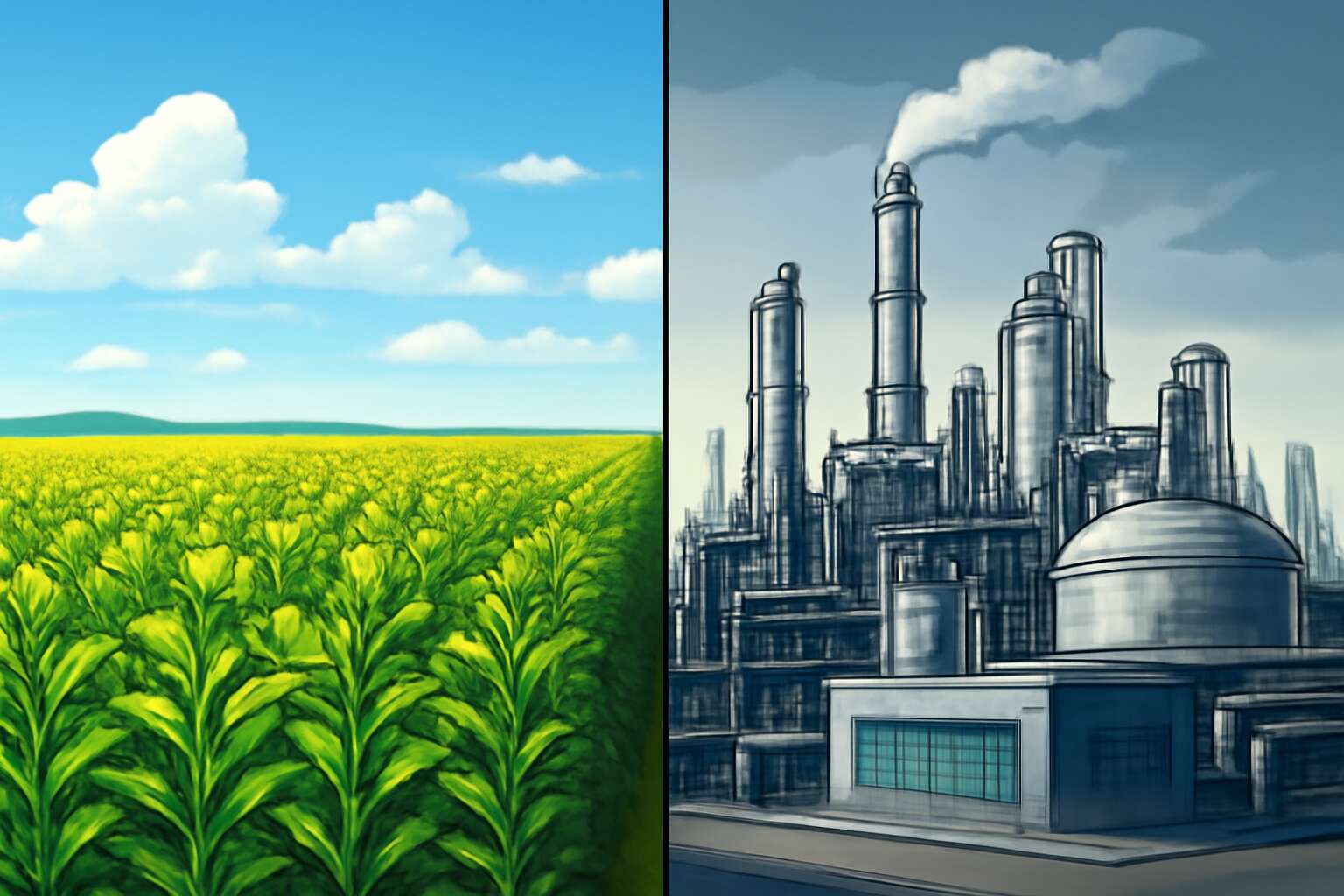
Comprehensive outline: benefits and drawbacks of biofuels
Benefits and economic implications of biofuels
South Africa spends billions on imported fuels yearly, a drain that shapes every policy debate. The question of biofuels disadvantages and advantages isn’t a fairytale about green miracles; it’s a sober look at whether homegrown fuels can curb reliance, spark jobs, and stand up to climate demands!
Benefits and economic implications of biofuels for South Africa include local feedstock options, rural employment, and greater energy security.
- Job creation in agriculture and processing
- Reduced oil imports and improved trade balance
- Rural development through diversified crops
Yet the other side can be heavy: land and water use, food-crop competition, price volatility, and lifecycle emissions. A clear view of biofuels disadvantages and advantages emerges when you weigh these factors.
I feel the truth sits between caution and ambition, nudging policy, farming, and industry toward a future we can afford and respect!
Environmental and sustainability considerations
South Africa’s energy future hinges on choices that stretch beyond price and policy; biofuels could curb imports, yet their environmental footprint invites scrutiny. Rural communities touch the edges of this shift, and the truth is rarely a neat narrative.
A balanced view of biofuels disadvantages and advantages rests on robust lifecycle analyses and transparent accounting. This environmental and sustainability lens asks who benefits, what’s spent on water, and how ecosystems fare as feedstocks scale.
- Lifecycle greenhouse gas performance across feedstocks
- Water use intensity and drought resilience
- Land-use trade-offs and food-crop competition
- Biodiversity, soil health, and local ecosystems
The path forward blends caution with ambition, inviting policy, farming, and industry to co-create a future we can afford and respect.
Technological and supply chain factors
Biofuels are part science, part logistics, and entirely a puzzle. A recent SA study found feedstock choice can swing lifecycle greenhouse gas performance by more than half—who needs a mystic black box when the feedstock decides your emissions? On the tech side, efficiency in conversion and refinery compatibility determine whether a plant pays for itself or merely pays the bills.
- Feedstock yield, conversion efficiency, and energy balance shape costs and performance.
- Refining upgrades, catalyst life, and integration with existing pipelines affect capital burn and downtime.
- Logistics, storage, and traceability lock in reliability and reduce import vulnerability.
Understanding the biofuels disadvantages and advantages helps policymakers and industry teams align innovation with local realities—water risk, farm capacity, and grid constraints—without overpromising. The path rewards transparent data, resilient supply chains, and a bit of humility rather than glossy marketing.
Policy and market dynamics for biofuels
“Policy certainty is the single most underrated fuel,” a South African energy analyst quips, and markets lean into that truth. This outline on policy and market dynamics for biofuels reveals how incentives, mandates, and trade rules tilt the field, shaping both risk and reward.
Policy levers can swing the horizon from uncertain to manageable.
- Blending mandates and fuel targets
- Subsidies, tax breaks, and loan guarantees
- Tariffs, import rules, and national standards
Market dynamics for biofuels ride on price signals, feedstock costs, and currency risk, all jostling with refinery downtime and pipeline compatibility.
In SA, policy clarity, local feedstock resilience, and a weather-tethered harvest season shape volatility more than fancy chemistry.
Understanding biofuels disadvantages and advantages requires weighing these policy dynamics.
The broader lesson remains: policy credibility paired with transparent data and resilient markets will keep the dialogue honest.

0 Comments