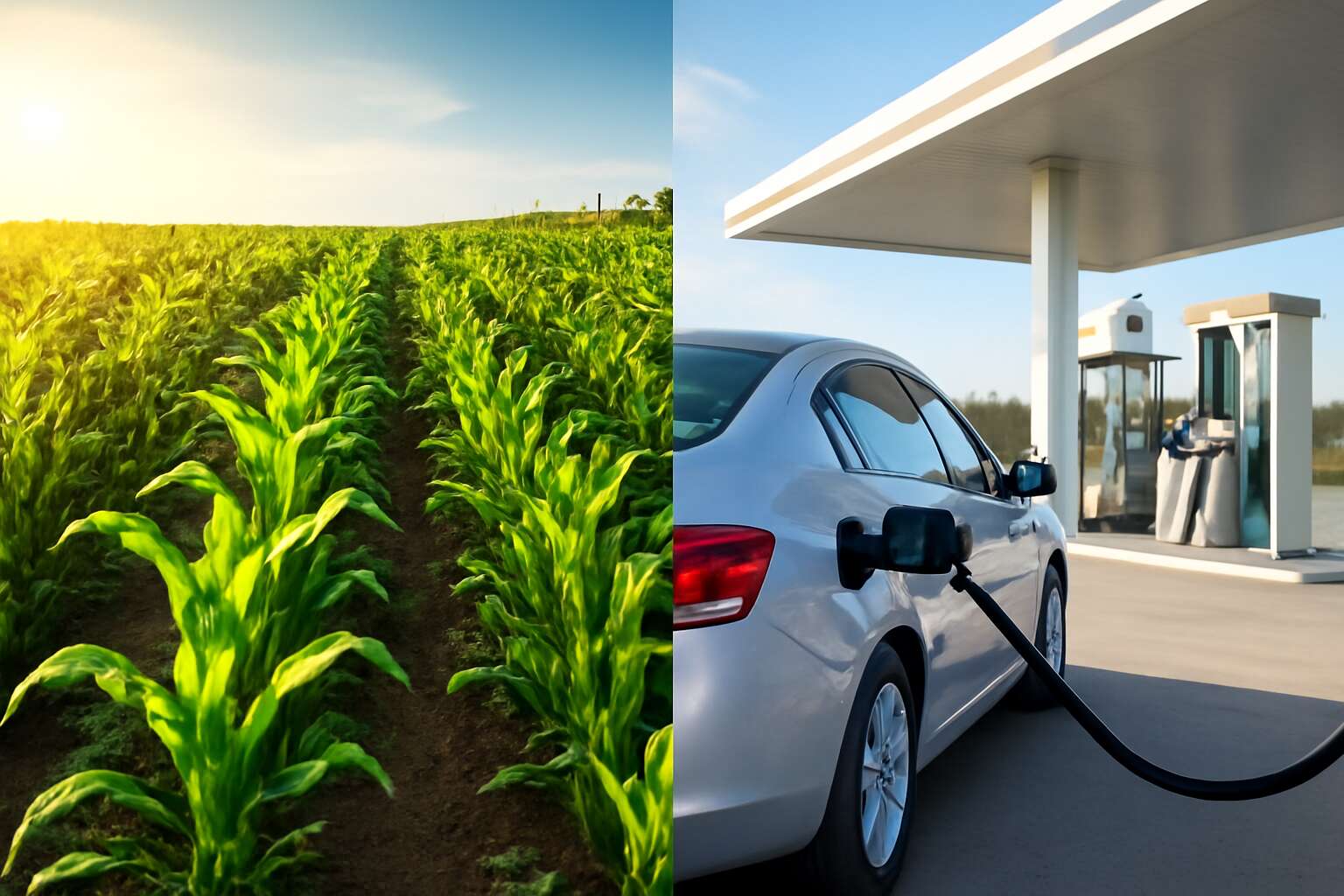
Biofuels and Fossil Fuels: A Comprehensive Comparison
Overview and Definitions
Globally, transport fuels account for roughly 40% of energy-related CO2 emissions, and in South Africa the reliance on liquid fuels remains stubborn; cleaner options glimmer on the horizon, inviting my scrutiny.
Biofuels are fuels derived from biomass—plants, waste, or algae—capturing energy from recently absorbed carbon. Fossil fuels, in contrast, are ancient hydrocarbons formed over millennia, releasing long-sequestered carbon when burned.
- Renewability: biofuels draw on current biomass cycles; fossil fuels are finite.
- Lifecycle emissions: biofuels can be lower overall if responsibly sourced; fossil fuels remain high.
- Impact on land and feedstocks: agricultural resources and waste; careful planning needed.
- Infrastructure: engines and distribution systems largely align with both, with blending rules.
The choice between biofuels vs fossil fuels reveals intertwined questions of energy security, land use, and industrial capability.
Environmental Impacts
In a country where sunshine negotiates the grid and traffic tests the nerves, the energy debate moves from theory to real-world appetite. A striking hook: lifecycle emissions can be reduced by up to 60% with waste-based biofuels, a reminder that biofuels vs fossil fuels isn’t mere policy jargon—it’s a test of land and timing.
Biofuels can trim lifecycle emissions when sourced from waste or carefully chosen crops, but their advantage hinges on farming methods and water stewardship. When weighing these options, the environmental ledger shifts with feedstock choices and regional conditions in South Africa.
Consider a few levers at a glance:
- Feedstock diversity reduces price shocks and supply risk.
- Engine compatibility and blending levels shape practical uptake.
- Infrastructure investment and policy alignment unlock scalable uptake.
Fossil fuels carry a well-worn toolkit—pipelines, refineries, and familiar refueling habits—yet their carbon burden remains stubborn, making cleaner options a question of timing and governance.
Economic Considerations
In South Africa, the tug between biofuels vs fossil fuels isn’t theory—it’s the bottom line you feel at the pump and in the balance sheet. The economic story hinges on feedstock costs, capital intensity, and policy signals more than slogans, and I’ve seen how a single adjustment can shift margins across the value chain.
Key economic levers that shape outcomes include:
- Feedstock costs and price volatility
- Capital and financing for plants, pipelines, and blending facilities
- Policy stability, subsidies, and procurement mandates
When the clock ticks, South Africa’s decisions on waste-based biofuels and carefully chosen crops will test the economics of biofuels vs fossil fuels and determine whether cleaner options stay on track or stall in the grid of today’s constraints.
Technology and Innovation
The future of energy sits at a crossroads where policy, innovation, and price meet on the tarmac. biofuels vs fossil fuels—it isn’t a slogan; it’s the daily balancing act that shapes South Africa’s research and investment.
Technology is reshaping both sides with second-generation biofuels from non-food feedstocks, waste-to-energy routes, and cleaner catalytic processes. We see prospects in local feedstocks—sugarcane molasses, used cooking oil, and other waste streams—driving better energy density and lower lifecycle emissions.
Key pathways include:
- Second-generation biofuels from non-food feedstocks
- HEFA and other drop-in fuels for existing engines
- Waste-to-fuel tech turning fats, oils, and residues into energy
In South Africa, the dance between tech and policy will decide whether cleaner choices stay in motion or stall on refineries and grid.
Policy and Regulation
Policy clarity is the throttle in South Africa’s energy engine. The uneasy truce between biofuels vs fossil fuels hinges on the rules that enable investment and curb risk. “Policy clarity is the loudest amplifier in the energy market,” says a seasoned adviser, and South Africa is listening. This section maps how regulation shapes choices without drowning in jargon, keeping the focus on practical impacts for industry and consumers. South Africa is listening!
Comprehensive policy and regulation steer feedstock selection, lifecycle accounting, and market access. Blending mandates, sustainability standards, and carbon pricing create a level playing field; subsidies and incentives tip the scales toward cleaner fuels; and import/export controls guard supply security. The regulatory environment must balance local feedstock development with engine compatibility and grid reliability, ensuring biofuels vs fossil fuels remains a decision point, not a coincidence.
- Blending mandates and fuel standards for engines
- Lifecycle emissions accounting and sustainability certification
- Carbon pricing, subsidies, and investment incentives
Practical Adoption and Infrastructure
The debate on biofuels vs fossil fuels is not a simple choice; it’s a map of practical adoption and infrastructure. In South Africa, the real test is how fuel blends move from test cells to service stations without breaking engines or budgets. “Policy clarity is the loudest amplifier in the energy market,” a seasoned adviser notes, and South Africa is listening as regulators and industry align on standards and supply chains.
Ready pathways exist: blending at refineries, sustainability standards, and engine compatibility are the pillars; storage tanks, logistics, and the cold chain for biofuels require careful design and investment.
- Blending and distribution at scale
- Engine certification and maintenance
- Feedstock supply and rural integration
Future Scenarios and Trends
Energy’s next chapter reads like a concerto rather than a cipher: biofuels vs fossil fuels, balanced by policy, innovation, and resilience. A recent South African energy outlook estimates transport emissions could fall by up to 15% with a pragmatic blend strategy, a hook that invites careful, ambitious action rather than loud debate.
Future scenarios and trends unfold across three moving currents:
- Refinery-scale blending and robust sustainability accounting
- Diversified feedstock networks linking rural economies
- Engine longevity, maintenance ecosystems, and transparent life-cycle data
Ultimately, the story is less about choosing a winner and more about weaving a resilient energy fabric that can weather price shocks, climate targets, and the pressures on rural economies.

0 Comments