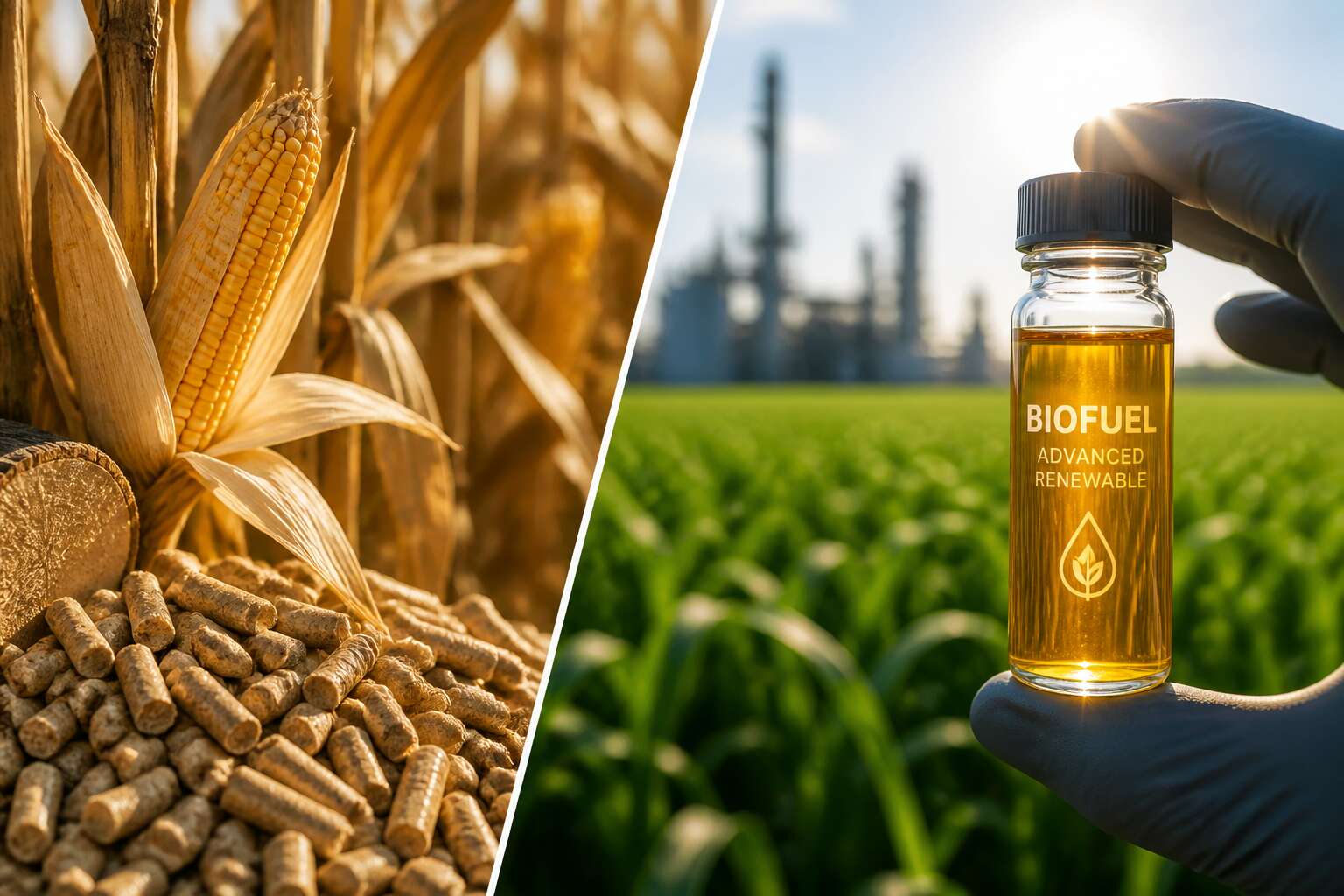
Understanding the Basics
What Are Biofuels?
Coal has dominated South Africa for a century, yet the shift to alternatives often comes down to a single question: what do we grow and what do we burn? Biofuels are fuels derived from recently living organisms, often crops like maize or sugar cane. For a farmer in Mpumalanga, the choice between selling grain for food or fermenting it into ethanol is a real trade-off.
- Ethanol from fermented plant sugars
- Biodiesel from vegetable oils or animal fats
- Biogas from decomposing organic waste
Each type converts biomass into usable energy, but that conversion is where the biofuels vs biomass distinction sharpens. Biomass remains the raw material itself, wood chips, crop residues, landfill gas. Biofuels require processing to become liquid or gaseous. Understanding that gap matters for local municipalities weighing direct burning against refined alternatives.
What Is Biomass?
According to the South African Energy Sector, over 80% of landfill gas is currently flared off, a potent resource simply burning away into the atmosphere. That wasted gas is a prime example of biomass in its rawest form. It is the organic matter itself: the discarded apple cores, the sugarcane stalks after pressing, and the wood shavings from a furniture factory in Johannesburg.
Biomass is the physical substance. It can be anything from invasive alien plants cleared from water catchments to the manure from a Free State dairy farm. For a municipality, this could mean the green waste collected from suburban gardens. The stark reality of biofuels vs biomass is that one requires a chemical process to become usable, while the other can often be tossed straight into a furnace. Direct burning for heat or steam generation is the oldest human energy transaction.
Here are the usual suspects when we talk about solid biomass sources:
– Wood pellets and briquettes
– Agricultural residues like maize stalks
– Municipal solid waste (the organic fraction)
– Sawdust and forestry offcuts
However, utilising raw biomass directly is a blunt instrument. While a wood-fired boiler in Durban might be efficient, the transport costs to get that biomass to the plant often eclipse the energy value inside it. This is where the incentive to create a fuel, rather than burn a feedstock, comes into play. The biofuels vs biomass debate in a business context often boils down to capital expenditure versus operating simplicity. Processing biomass into liquid fuel demands a distillery, while burning it requires only a hopper and a grate. For a local government under financial strain, the allure of the simpler option, despite the pollution, is a powerful, stubborn force. In South Africa, the choice is rarely philosophical; it is about what you have in the truck and the fire permit in your pocket. It is worth noting that solar and wind are not receiving half the attention that this unsung, messy material deserves.
Key Differences in Definition
The line between biofuels vs biomass is not about what you call it, but what you must do to it before it can work for you. Biomass is that pile of groundnut shells at a processing plant. It burns, if you are patient. Biofuel is the result of deliberate chemical conversion, like ethanol from sorghum. I have watched municipalities choose the easy route, burning raw waste with low efficiency.
- Biomass requires combustion. Biofuel requires fermentation or transesterification.
- Biomass carries low energy density. Biofuel is concentrated and transportable.
- Biomass often carries high moisture. Biofuel is refined to a consistent standard.
That is the practical divide. One is a resource. The other is an engineered solution.
Production and Feedstock Sources
Common Feedstock for Biomass
South Africa generates millions of tons of agricultural residue each growing season. These leftovers now drive the practical debate around biofuels vs biomass. Biomass represents the raw material itself: wood chips, crop husks, or even invasive alien plants cleared from catchment areas. Biofuels require additional processing to become usable energy, such as fermentation or transesterification.
Common feedstocks for biomass in this region include:
- Sugarcane bagasse from Mpumalanga sugar mills
- Maize cobs and stalks from the Free State
- Invasive alien plant material cleared from water catchment areas
- Municipal green waste from urban centres like Gauteng
Production efficiency depends on collection costs and year-round availability. When we look at a sugar mill, the bagasse arrives at near zero extra cost. That is the kind of integration that defines commercial viability!
How Biofuels Are Refined
The refinery floor smells of crushed cane and warm yeast. Work here is brutish and precise, unlike the green fields outside. This is where biofuels vs biomass finds its clearest separation: biomass arrives as bales and husks, biofuels leave as liquid that runs engines.
- Shred the cane and press out the juice.
- Add yeast to ferment sugars into alcohol.
- Distill the brew until it reaches fuel grade.
- Dehydrate to remove the last water.
Each step demands careful temperature control. The spent bagasse then feeds the boilers, so the process fuels itself!
Conversion Technologies Compared
South Africa crushes roughly 18 million tonnes of sugarcane each season. Production begins in fields where farmers grow sugarcane, maize, and oilseeds. Each feedstock feeds a different conversion technology. Sugarcane offers fermentable sugars. Maize needs starch breakdown before fermentation. Oilseeds take a mechanical pressing route.
Comparing conversion technologies clarifies the biofuels vs biomass difference. Thermal conversion, gasification, turns dry biomass into syngas. Biochemical conversion, anaerobic digestion, produces biogas from wet matter. These routes yield different energy carriers with distinct uses.
- Thermal conversion handles dry feedstocks.
- Biochemical conversion handles wet feedstocks.
- Hybrid systems combine both approaches.
In our work, energy density decides whether you store, transport, or burn fuel on site, and that shapes every project plan.
Byproducts and Waste Streams
Waste, in the biofuel trade, is just feedstock that has not found a buyer yet. Sugar mills in Mpumalanga burn bagasse to power their own crushing operations. Molasses leaves the same mills for fermenters. Distillers grains from maize ethanol plants command real money as cattle feed. Every byproduct earns its keep.
- Bagasse fuels mill boilers
- Molasses feeds distillery fermenters
- Distillers grains and oilseed cake supply livestock rations
These streams complicate the biofuels vs biomass distinction. A crop spent on fuel still yields a protein-rich residue that rivals imported soybean meal. When sorghum biofuel production sells its leftover grain cake, the gap between waste and product narrows. Production and byproducts together decide whether a project turns a profit, which is why the biofuels vs biomass comparison matters before any fuel reaches a tank.
Applications and Energy Uses
Direct Combustion of Biomass
Direct combustion is the oldest way to extract energy from organic material. In South Africa, sugar mills burn bagasse to run turbines, and sawmills convert wood offcuts into process heat. This is where the practical reality of biofuels vs biomass becomes tangible: biofuels require refining, but biomass can be burned as-is.
Energy density varies sharply by feedstock. Dry wood chips deliver around 16 megajoules per kilogram. Wet agricultural residue wastes heat on evaporating moisture.
- Steam generation for industrial processing
- District heating for institutional buildings
- Co-firing with coal in power stations
Eskom has explored co-firing biomass with coal, cutting carbon intensity without scrapping existing plants. For rural industries, direct combustion avoids the logistics of refined fuels entirely! It is local and immediate. The trade-off is efficiency: combustion recovers only a fraction of the chemical energy, which is why the biofuels vs biomass debate keeps returning to cost per useful joule.
Biofuel Blends in Transportation
When you fill up a car in São Paulo or Bangkok, nearly a quarter of that tank might be ethanol. South Africa is more cautious, yet biofuel blends are already part of the conversation. The choice of biofuels vs biomass becomes concrete at the pump: biomass burns for heat, but transport requires refined liquids.
Blends like E10 (10% ethanol) and B5 (5% biodiesel) reduce fossil fuel dependence without new engine technology. They suit existing fleets and fuel infrastructure. Common applications include:
- Public bus fleets running on biodiesel blends
- Agricultural vehicles using local ethanol
- Mining haul trucks testing renewable diesel
I find the logistics compelling. Petrol stations in Gauteng already carry blended fuels, even if consumer awareness lags. The real test for biofuels vs biomass is energy density per litre versus kilogram, and blends win for mobility.
Industrial and Residential Heating
Around eight million South African households burn solid biomass for heat. That statistic drives the real meaning of biofuels vs biomass at an industrial and residential scale. For heating, biomass simply burns, offering a straightforward path. Biofuels require refining but ignite more cleanly, which matters in dense urban spaces like Gauteng.
Industries with access to agricultural waste often prefer direct combustion. Sawmills use their own sawdust to heat kilns. Food processors convert sunflower husks into process heat. Residential users, especially in rural areas, rely on wood or charcoal. Consider how each option applies:
- Wood chips for large industrial boilers
- Corn cobs for rural household stoves
- Liquid biofuel for retrofitted urban heaters
The tradeoff is clear. The choice between biofuels vs biomass for heating depends on logistics. Biomass is abundant and local, but biofuels offer control and efficiency.
Environmental and Economic Impact
Carbon Footprint Considerations
South Africa’s energy transition requires a clear-eyed look at what grows, what burns, and what pays. When weighing biofuels vs biomass, the carbon impact is rarely straightforward. Biomass from waste streams can reduce near-term emissions, yet its transport and processing often carry hidden diesel costs. Biofuels divert cropland and water, which raises food prices and strains rural economies.
The economic effects are tangible!
- Land value shifts as farmers choose energy crops over staples.
- Fertiliser input costs escalate with biofuel demand.
- Carbon credits may offset some expenses but not all.
A true carbon footprint assessment must include these variables. Otherwise, we trade one problem for another. I see this daily in smallholder decisions across the region.
Land and Water Use Trade-offs
Over 60% of South Africa’s surface water flows to irrigation. When energy crops enter the rotation, the calculus shifts. Biofuels vs biomass is a direct competition for the same water and soil. A biomass plant can burn municipal waste without touching a field. A biofuel refinery demands maize, soya, or sugarcane, and those crops consume large volumes of water.
I have watched irrigation quotas shrink while ethanol projects expand. The land under pivot sprinklers once fed people. Now it feeds tanks. Smallholders face a brutal choice. Plant for food and watch income fall, or plant for fuel and watch the water table sink!
These trade-offs rarely appear in cost models. Fertiliser for energy crops leaches into catchments, raising treatment costs downstream. The economic impact ripples beyond the farm gate, and no carbon credit fixes a dried borehole.
Energy Efficiency and Net Output
Energy efficiency separates biofuels vs biomass. A litre of biodiesel yields roughly 90% of the energy in diesel, while direct biomass combustion converts 20% to 30% of its heat into electricity. That gap shapes net output. Biofuels demand fossil inputs for cultivation and refining, shrinking their true energy return. Biomass from municipal waste or agricultural residues skips that chain entirely.
- Biofuel refineries require high-grade feedstocks, whose energy cost appears across irrigation and harvest.
- Biomass plants can burn low-value residues, making their net output more attractive in a strained grid.
For South Africa, the economic impact follows the physics. Ethanol mandates push maize prices upward, while biomass projects compete on waste disposal fees. The social nuance arrives when energy crops displace food staples, an environmental cost that energy models rarely price.
Cost Comparison and Market Factors
Environmental cleanups and market distortions shape the real divide. I have seen ethanol mandates lift maize prices, a burden that lands on food budgets. Biomass plants, by contrast, earn from waste disposal fees. Municipal solid waste becomes a revenue stream rather than a cost.
- Biomass projects sign long term contracts with municipalities, stabilising cash flow.
- Biofuel refineries face volatile feedstock prices, especially sugarcane.
The economic impact shows up in township markets. So the biofuels vs biomass question answers itself when you compare grocery bills with landfill fees.
Sustainability and Policy Implications
South Africa’s energy transition turns on how regulators weigh biofuels vs biomass. Biofuel policies lean on blending mandates and import duties, which can distort grain markets. Biomass policies rely on municipal procurement and waste regulations, creating different incentives for investors.
Sustainability criteria shape these outcomes:
- Carbon intensity thresholds
- Water use limits
- Community benefit requirements
Each factor alters project viability. The analysis under the Carbon Tax Act depends on how emissions are measured across the full supply chain. Landfill gas projects capture methane that would otherwise escape, while biofuel refineries face scrutiny over indirect land use changes. The policy framework determines which pathway survives.
Future Outlook and Innovations
Emerging Feedstock Alternatives
The future of South African energy is not sprouting from neat rows of corn. It rises from the murk of urban drains and the crust of abandoned dams. Algae in saline water yields lipids convertible to fuel without displacing maize. Water hyacinth smothering the Vaal River is harvested as combustible feedstock, turning an ecological threat into heat.
As these alternatives emerge, the distinction between biofuels vs biomass starts to dissolve. Origin and cost matter more than category. A future refinery could process:
- Municipal waste, fermented into ethanol
- Invasive plants, dried and co-fired
- Used cooking oil, refined into biodiesel
Each pathway requires its own infrastructure, suffers contamination, and loses energy. Yet the raw materials are already here.
Advanced Biofuel Technologies
The next decade will render the biofuels vs biomass debate almost obsolete. Advanced biofuel technologies are shifting focus from raw material to molecular precision. Researchers in South Africa are experimenting with thermochemical liquefaction and microbial engineering to extract energy from high moisture feedstock.
These systems operate continuously, converting mixed waste streams without sorting. The output is a synthetic crude that refineries can process with existing infrastructure. Consider what this unlocks for our energy grid:
- Gasification with catalytic upgrading into drop in jet fuel
- Biophotolysis using engineered cyanobacteria
- Hydrothermal liquefaction of sewer sludge
Each pathway reduces the energy penalty of drying. The cost curve is falling. By 2030, pilot plants could prove that biofuels vs biomass is a false choice, since both become inputs to the same flexible refinery system.
Research Directions and Scaling Challenges
The future of biofuels vs biomass lies in the quiet laboratories where microbes digest our waste. South Africa’s research institutions are charting a path toward continuous bioprocessing systems that never sleep. The innovations are precise:
- engineered cyanobacteria producing hydrogen
- catalytic upgrades transforming synthesis gas into aviation fuel
- hydrothermal liquefaction converting municipal sludge
Scaling challenges remain stubborn. Capital costs are high, and the infrastructure for mixed waste collection is fragmented. Yet the trajectory is clear. Pilot plants in Gauteng and the Western Cape are testing these systems on real waste streams. Research directions point toward modular, containerised units deployed near waste sources. The biofuels vs biomass debate will dissolve as both merge into a single feedstock stream.

0 Comments