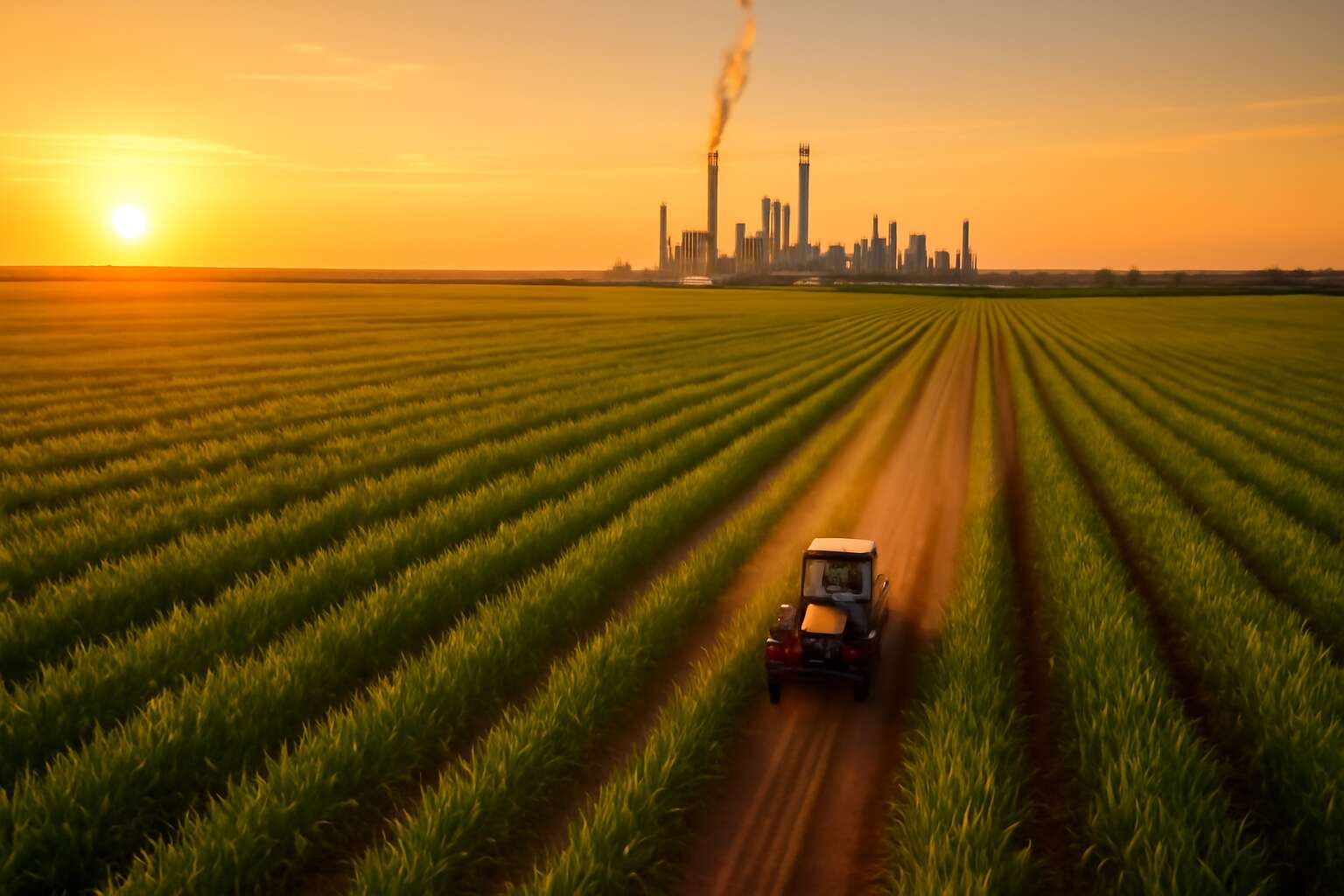
Overview of the Brazilian biofuels landscape
Historical development and policy drivers
Sunlight, sugar, and stubborn ingenuity braid together in biofuels brazil, where cane fields hum with potential and engines drink liquid light. I’ve watched the harvest season glow with possibility, and a single refrain keeps echoing: “Energy grows where the cane grows.”
From the 1970s Proálcool era to today’s ethanol and biodiesel blends, the landscape has evolved with policy, investment, and grit. The drivers—energy security, rural livelihoods, and emissions cuts—have knitted a durable supply chain across mills and ports.
- Energy security and reducing import dependence
- Rural development and farmer incomes
- Climate targets and emissions reductions
For South Africa readers, the Brazilian journey hints at how biofuels brazil can bolster energy resilience while nurturing rural prosperity. It’s a living tapestry of policy, plant, and partnership that keeps evolving.
Key players and production hubs
This snapshot of biofuels brazil reveals a mature mix of cane ethanol and biodiesel, where scale, logistics, and policy alignment shape energy futures. Large sugarcane mills, integrated logistics, and export-ready ports knit a resilient value chain from field to refinery and coastal markets. For South Africa’s energy planners, the Brazilian model signals how a robust biofuel corridor supports rural regeneration and secure futures.
Major players such as Raízen, Cosan, UNICA, Copersucar, and SLC Agrícola anchor the sector, linking growers to refineries and export routes. Production hubs are concentrated in the Centro-Sul, with corridors stretching toward the coast where vessels carry ethanol and biodiesel to global markets.
- Centro-Sul production hubs: São Paulo, Goiás, Mato Grosso do Sul, Paraná
- Biodiesel corridors: Bahia, Maranhão, Pará
- Export and logistics nodes: Santos, Paranaguá, Recife
Current market size and growth projections
Across recent years, biofuels account for roughly 30% to 40% of Brazil’s transport energy, a statistic that cuts through the noise and reveals a durable, policy-driven fuel system. The biofuels brazil landscape is a mature engine, moving cane ethanol and biodiesel through integrated mills to coastward corridors with purpose.
Growth is projected in mid-single digits through 2030, powered by blending mandates, refinery investments, and robust export demand. Key vectors include:
- Policy-driven demand
- Export-led capacity
- Coastal logistics expansion
For South Africa, the Brazilian model offers a blueprint for rural regeneration and energy security, showing how a well-connected corridor from inland hubs to ports can anchor both local livelihoods and global markets.
Fuel mix and blending mandates
A steady fraction of transport energy—roughly a third—comes from biofuels brazil, a landscape where policy and agronomy collide with purpose. The mix is not fragile folklore; it is a durable engine built on sugarcane ethanol and biodiesel from seeds and waste streams. This mature system ferries fuel along coastward corridors with a quiet, persistent rhythm that refuses to be ignored.
Key components of the mix today include:
- Cane ethanol powering flex-fuel fleets
- Biodiesel from soybean and other vegetable oils
- Emerging advanced fuels from residues and waste streams
Blending mandates knit demand to investment. Gasoline carries around 27% ethanol; diesel blends with biodiesel up to B20, anchoring rural producers to refineries and ports. For South Africa, the Brazil model offers a blueprint: a living example of policy-led, export-ready potential—biofuels brazil as a reference point for energy security and industrial resilience.
Regional comparisons and export potential
Two decades of policy and scale have turned biofuels brazil into the world’s sugarcane ethanol powerhouse. Brazil is the largest ethanol producer from sugarcane, turning cane into miles of low-carbon transport energy. The regional mosaic—centered on a cane-driven engine with biodiesel from seeds and waste—builds export momentum and domestic resilience. For South Africa, this landscape feels both distant and intimate: a living blueprint where policy and agronomy fuse with purpose.
- Center-South leads cane ethanol and flex-fuel fleets, backed by integrated mills
- Northeast and parts of the Amazon feed biodiesel from seeds and waste streams
- Export corridors from Santos, Paranaguá, and Salvador target Europe, Africa, and Asia
Regional comparisons reveal Brazil’s logistical spine—feedstock, refining, and ports—delivering scope and price discipline. For South Africa, it’s less a mirror and more a map: align feedstock, policy certainty, and export routes to unlock regional energy security and industrial resilience.
Feedstocks and technology for Brazilian biofuels
Sugarcane ethanol production processes
In Brazil’s sun-burnished cane belts, feedstocks become a living engine. Sugarcane yields both juice and molasses, feeding a fermentation ballet that transforms sweetness into ethanol with remarkable efficiency! The saga of biofuels brazil unfolds in these fields: cane juice or molasses meets yeast, fermentation takes hold, and a distillery strip-teases water away to yield fuel-grade ethanol, while bagasse—the fibrous leftovers—powers the mill and heats the system, looping energy back into production.
Sugarcane ethanol production processes hinge on precise chemistry and well-honed industrial rhythm. Here are the core steps that keep the cycle turning:
- Juice extraction from sugarcane stalks
- Fermentation of sugars into ethanol by yeast
- Distillation to purify ethanol
- Dehydration to fuel-grade ethanol
- Bagasse cogeneration to power the plant
For South Africa and other frontier markets, this model hints at a resilient path where farming and energy grow in tandem, leaving a lighter footprint on the soil and the grid.
Soy and biodiesel in Brazil
In the sun-warmed plains where Brazil’s soybean belts meet the horizon, feedstocks and technology fuse into liquid energy. biofuels brazil reveals a biodiesel story rooted in soy, where farmers and refiners collaborate to turn oil into cleaner diesel blends and sustain rural communities!
Feedstocks and technology lean on the humble soybean, cultivated at vast scale and pressed into high-quality oil. The primary feedstock remains soybean oil; secondary streams include used cooking oil and, to a lesser extent, animal fats—each demanding different processing routes and sustainability checks. For South Africa and other frontier markets, this flexibility provides a strategic bridge to energy security.
- Transesterification with base catalysts
- Purification and glycerin separation
- Glycerin valorization and energy recovery
Tech advances—catalysts, continuous reactors, and dry washing—cut water use and emissions, while biofuels brazil maintains a close watch on Brazil’s biodiesel journey.
Algae and advanced biofuels research
From sun-warmed estuaries to cutting-edge labs, biofuels brazil traces a new arc where algae and advanced biofuels research meet practical motion. Algae, resilient and prolific, promise feedstocks that dodge the food-versus-fuel debate and scale with coastal ecosystems. In Brazil, researchers blend photobioreactors with precision cultivation and wastewater integration, turning tiny organisms into high-energy oils and valuable co-products. The result is a rhythm of innovation—strains tuned to light, salinity, and temperature, opening a path toward cleaner diesel and aviation fuels.
Key focus areas include:
- Algae as flexible feedstocks easing land pressure
- Energy-efficient photobioreactors and light capture
- Co-products and process integration for value recovery
South Africa’s energy horizon may find a mirrored potential in algae-led pathways, where policy and tech converge to reduce emissions and create coastal and inland value. biofuels brazil
Second-generation biofuels and cellulosic options
Brazil sits at the edge of a second-generation surge, where the humble bagasse that fuels mills can also power the next-gen ethanol. In biofuels brazil, researchers turn lignocellulosic leftovers into high-energy fuels with precision enzymes, smart pretreatments, and integrated biorefineries. The result is a cleaner path forward—more value from residue and a rhythm of innovation that feels almost cinematic.
Feedstock and technology options are diverse and scalable:
- Sugarcane bagasse and straw as abundant lignocellulosic feedstocks
- Municipal and agricultural waste streams for integrated biorefineries
- Enzymatic hydrolysis and gasification pathways to ethanol and co-products
These second-generation routes blend efficiency with resilience, offering pathways that can complement South Africa’s own ambitions for clean fuels and cross-border collaboration.
Environmental and social impact of biofuels in Brazil
Land use and biodiversity considerations
Environmental and social impacts trail the rise of biofuels brazil, where land-use choices tilt between energy security and natural heritage. The balance hinges on protecting biodiversity while supporting rural livelihoods—an urgent tension in the Cerrado’s mosaic of savanna, farmland, and forest patches. Footprints must be measured, monitored, and mitigated!
Governance must ensure transparent land-use planning, clear tenure rights, and biodiversity safeguards; where crops grow and margins are preserved matters for communities and investors alike.
- Land-use planning that minimizes habitat fragmentation
- Biodiversity monitoring and restoration commitments
- Early community engagement with fair benefit-sharing
These factors shape resilience across regional supply chains for biofuels brazil.
From Cerrado corridors to coastal mosaics, stewardship brings gains: less deforestation, better habitat connectivity, and steadier rural livelihoods. For readers in South Africa, ecological integrity and energy can coexist.
Water use and pollution control
Brazil’s sunlit epic: tens of billions of liters of bioenergy flow from cane and oilseed into tanks, sparking livelihoods across rural towns. Water use and pollution control are the quiet guardians of this story, keeping rivers clear and soils healthy as fields glow with harvest. When mills deploy closed-loop cooling and low-impact processing, communities taste steadier water quality and farmers breathe easier. For readers in South Africa, this tale shows energy and ecology can coexist!
In the biofuels brazil narrative, water stewardship and pollution controls shape footprints across fields and towns. To translate this into action, key practices include:
- Water-use efficiency and recycling in ethanol mills
- Enhanced effluent treatment and nutrient capture
- Protecting headwaters and wetlands through prudent siting
These measures foster resilient regional supply chains, ensuring social value travels with the harvest and water remains a shared heritage.
Rural development and job creation
Across Brazil’s cane belt, biofuels brazil does more than power cars—it seeds thousands of livelihoods. Communities watch harvests translate into steady work, schooling, and healthier towns, where mills stand as anchors of rural development—with a dash of regional flair.
- Local employment opportunities in milling and logistics
- Skills development and entrepreneurship pathways for farmers and youth
- Community investments in education, health, and infrastructure
These gains ride the harvest, weaving social value into regional economies and offering South Africa a brisk, tangible example of energy and community harmony.
Supply chain sustainability and certification
From the cane belt to the coast, biofuels brazil is a test of ambition and accountability. A community elder once said, “the harvest feeds more than engines,” and the phrase sticks as a reminder that energy must walk a human path. In this arena, environmental safeguards and social commitments shape landscapes, fisheries, and towns alike!
To ensure supply chain sustainability and certification, three threads matter:
- Traceable, transparent links from field to refinery to port
- Third-party standards such as Bonsucro and national sustainability benchmarks
- Active community engagement and fair labor practices that stay true to local realities
When these elements align, the environmental performance becomes a story of credibility—one that South African readers can relate to as a practical model for energy and community harmony.
Lifecycle greenhouse gas savings
Bright fields and blue skies frame Brazil’s bioethanol story: energy and land moving in step, not in tension. Lifecycle greenhouse gas savings hover around 60% versus gasoline, a figure that anchors credibility in global markets. These gains come from an intricate choreography—efficient farming, energy recovery from byproducts, and refineries that squeeze more energy from less matter.
Key levers driving these savings include:
- Bagasse cogeneration powers mills and lightens grid load.
- Rapid cane regrowth enhances carbon balance and soil protection.
- Advanced processing and energy recovery cut input intensity per liter.
Beyond kilograms of CO2 avoided, the social dimension matters—rural livelihoods, fair labor, and local governance shape outcomes on the ground. For South African readers, biofuels brazil offers a practical model for energy and community resilience, where consistent transparency and community engagement translate into durable benefits across the cane belt and coastal hubs.
Policy, regulation, and incentives
National ethanol programs and blending mandates
Policy shapes the sunrise over Brazil’s cane fields and the lines at the pump. biofuels brazil shows how steady rules can turn drought into predictability and blending mandates into daily life for farmers and refiners alike. There’s a quiet dignity in the way incentives thread income through rural communities, keeping gates open and futures bright.
- Blending mandates and fuel standards that set a reliable demand and guide plant capacity.
- Tax incentives and credit programs for producers, cooperatives, and logistics partners.
- Government-backed financing and rural development schemes that reduce risk and connect markets.
National ethanol programs and blending mandates provide a shared compass for investors and growers, a model that resonates with readers in South Africa seeking steady, sustainable energy partnerships.
RenovaBio and carbon intensity scoring
Policy, regulation, and incentives shape the daily rhythm of energy in Brazil. RenovaBio and carbon intensity scoring reframed risk into a shared language, turning policy into a measurable asset for investors and farmers alike. The mantra of biofuels brazil carries not just fuel but a governance model: a ledger where emissions, land use, and incentives align. “Policy is stewardship, not control,” is often cited by industry leaders as a north star.
Key levers include:
- Carbon intensity scoring drives investment by rewarding lower-emission fuels and turning environmental performance into credit value.
- Mandates and standards provide a predictable demand signal that guides plant capacity and modernization.
- Incentives, credits, and government-backed financing reduce risk for producers, cooperatives, and logistics partners.
This framework, and its experience with biofuels brazil, offers lessons to readers in South Africa seeking steady, sustainable energy partnerships. The fusion of policy, finance, and farming yields reliability even through droughts, a quiet pride in rural capacity building.
[]
Financing, subsidies, and investment climate
Policy as a beacon has marshaled billions into biofuels, turning risk into a shared currency. In Brazil, policy, regulation, and incentives set the daily rhythm of energy, where carbon intensity scoring translates environmental performance into credit value. RenovaBio’s ledger becomes a governance map, aligning emissions, land use, and incentives. “Policy is stewardship, not control,” one industry veteran notes. It stands as a case study in biofuels brazil, a model for policy-led energy ecosystems.
- Stable mandates create predictable demand for plants and upgrades
- Incentives and credits reduce capex and unlock finance
- Public-private financing lowers risk in rural supply chains
For South Africa, this climate of policy-finance fusion offers a navigational chart: clear rules, patient subsidies, and lenders ready to back rural partnerships. The Brazilian experience shows governance can align with enterprise, delivering steady energy streams even when climates turn and markets shift.
Regulatory challenges and compliance
Policy in Brazil is not a backdrop; it is the weather that dictates every investment in energy. In biofuels brazil, rules shift with the seasons, turning risk into a shared forecast. “Policy is stewardship, not control,” one industry veteran notes, and that pressure shapes courage and caution alike.
Regulatory challenges and compliance sit at the center of project viability. Licensing timetables, environmental licensing, and land-use constraints demand patience and precision. Stakeholders must translate environmental performance into financial signals through carbon accounting, sustainability reporting, and transparent chains of custody.
- Permitting timelines and environmental licensing
- Carbon accounting and sustainability reporting
- Land-use safeguards and biodiversity considerations
In this climate, incentives align with enterprise, transforming compliance into a competitive advantage.
Trade and international standards
Policy is weather, and the forecast decides every investment. Legislation shifts with the seasons, turning risk into a shared forecast and courage into cautious optimism. The right decree can unlock capital; a misread regulation can stall a project before it starts!
Regulatory architecture—permits, licensing, and environmental safeguards—is not a hurdle but the scaffold of scale. The most nimble players translate environmental performance into financial signals through carbon accounting, sustainability reports, and transparent chains of custody.
- Blending mandates and fiscal incentives
- Carbon pricing and RenovaBio scoring
- International standards alignment and sustainability certification
On the international stage, trade and standards set the tempo. For investors watching biofuels brazil, alignment with EU RED II, ISCC, and other frameworks opens markets while preserving biodiversity and social safeguards.
In this climate, incentives align with enterprise, turning compliance into a competitive advantage and inviting dialogue across borders, from Brasília to Pretoria.
Market trends, challenges, and opportunities
Global demand drivers and price dynamics
Global demand for biofuels brazil has surged in recent years, rising by about 8% annually as nations pursue cleaner energy and carbon reduction. The wake of policy incentives and resilient sugarcane supply keeps the market buoyant, even as crude prices swing and currency volatility tests margins. It stands as a barometer of agricultural efficiency and industrial ambition.
Global demand drivers include energy security, climate commitments, and export markets. Price dynamics hinge on feedstock costs, oil parity, and policy certainty. The narrative is delicate: as feedstocks like sugarcane adjust with weather and global demand, margins tighten or expand with policy signals.
Opportunities emerge from shared learning between continents—sustainable supply chains, certification regimes, and joint R&D in second-generation techniques. For South Africa, the Brazil experience offers a blueprint for scalable ethanol and biodiesel integration within transport and industrial sectors.
Brazilian export markets and competition
Market trends for biofuels brazil show export channels widening to Europe, Africa, and Asia as buyers chase cleaner energy and steadier supply. Brazilian shipments of ethanol and biodiesel ride on resilient blend mandates and robust sugarcane futures, even as freight costs surge and currency swings pinch margins. I watch port docks glow with possibility, a living barometer of agricultural efficiency and industrial ambition.
Challenges and competition shape the field. Prices hinge on global oil parity, feedstock volatility, and policy clarity, while rivals from corn ethanol to palm-derived fuels press into markets with aggressive pricing and diverse sustainability criteria.
- Policy certainty and predictable tariffs
- Logistics and port throughput
- Certification and traceability costs
Opportunities emerge from cross-continental learning and intensified certification regimes, with room for co-development in logistics, feedstock strategies, and risk-sharing frameworks that keep the sector competitive on price and sustainability.
Infrastructure and logistics for biofuels distribution
Ports glow with the math of demand, and biofuels brazil is guiding the shift toward cleaner power and steadier supply. Export channels reach Europe, Africa, and Asia as buyers seek lower emissions and reliable deliveries. Brazilian shipments of ethanol and biodiesel ride on blend mandates and sugarcane futures, even as freight costs rise and currency swings pinch margins. It’s a living barometer of agricultural efficiency and industrial ambition.
Market trends come with risk: policy clarity, oil parity, and feedstock volatility keep competition brisk. Rivals from corn ethanol to palm-based fuels press price and sustainability criteria in different directions.
- Policy certainty and predictable tariffs
- Logistics and port throughput
- Certification and traceability costs
Opportunities arise from cross-continental learning and tighter certification regimes, with room to co-develop logistics, feedstock strategies, and risk-sharing arrangements that keep biofuels brazil affordable and credible. For South Africa, the model offers a practical lens on blending and distribution.
Technology adoption and tech transfer
“Cleaner power is not a trend; it’s a system,” says a fuels analyst. The market for biofuels brazil tests policy clarity, oil parity, and feedstock swings—forces that sharpen risk and investment alike. For South Africa, it signals cleaner power and steadier supply.
Market trends carry risk: policy clarity, oil parity, and feedstock volatility keep competition brisk. Rivals from corn ethanol to palm-based fuels push price and sustainability in different directions.
- Policy certainty and predictable tariffs
- Logistics and port throughput
- Certification and traceability costs
Opportunities lie in technology adoption and tech transfer. Cross‑continental learning helps South Africa tap Brazil’s logistics, data systems, and feedstock strategies—accelerating credible, affordable biofuels brazil.
Future outlook and policy recommendations
Cleaner power is not a trend; it’s a system, and the numbers prove it: policy clarity, oil parity, and feedstock swings are market puppeteers. In Brazil, these rhythms test resilience and investment appetite, while South Africa watches and learns how supply chains survive volatility.
Challenges are real: policy certainty, predictable tariffs, logistics and port throughput, and the cost of certification and traceability. These frictions reward nimble players who juggle risk, logistics, and governance—like a tightrope walk with a forklift.
- Policy certainty and predictable tariffs
- Logistics and port throughput
- Certification and traceability costs
Opportunities lie in technology adoption and tech transfer. Cross-continental learning helps South Africa tap Brazil’s logistics, data systems, and feedstock strategies—accelerating credible, affordable biofuels brazil. The future outlook favors modular refiners, digital traceability, and investment models that bake in carbon risk.

0 Comments