
Overview of Sustainable Fuels for Road Transport
What are sustainable fuels and why they matter for road transport – Definition and role of bio-based fuels in reducing emissions from vehicles.
<pAcross South Africa, road transport shapes our cities and skies, and the simplest truth is this: cleaner fuels can move the needle without demanding radical changes to engines. They offer a pragmatic path that fits our current fleet and fueling infrastructure.
Sustainable fuels are produced from renewable sources and are designed to lower lifecycle emissions. Bio-based fuels in particular can replace a portion of petrol and diesel, reducing tailpipe pollutants and dependence on fossil hydrocarbons. For biofuels for transportation, the local production potential supports jobs and rural resilience while keeping performance intact.
- Ethanol from sugarcane or grains
- Biodiesel from used cooking oil or vegetable oils
- Renewable diesel from non-food feedstocks
When blended thoughtfully, these fuels fit today’s fleets and tomorrow’s ambitions, weaving cleaner mobility into everyday journeys across our diverse landscapes.
Key fuel categories used in road transport – Ethanol, biodiesel, renewable diesel, and advanced fuels used in cars and trucks.
Greener miles are not a distant dream but a practical path, guided by fuels that blend science with everyday driving. Sustainable road fuels unfold as a quartet, each a star in the same constellation—ethanol, biodiesel, renewable diesel, and advanced fuels—shaping cleaner combustion without sacrificing performance.
- Ethanol
- Biodiesel
- Renewable diesel
- Advanced fuels used in cars and trucks
In South Africa, biofuels for transportation are weaving into fleets with policy support, local crops, and refinery upgrades. These fuels meet engines with minimal fuss, deliver tangible emissions reductions, and spark new opportunities for rural economies and urban air quality, while keeping the thrill of the open road intact.
Benefits of sustainable fuels for transportation – Emissions reductions, energy security, and rural economic opportunities.
Cleaner miles are not a distant dream but a tangible shift in how we move. I see biofuels for transportation slashing lifecycle emissions by up to 70% compared with fossil diesel or petrol, depending on feedstock and production. They also bolster energy security by diversifying supplies and reducing import dependence. And they unlock rural opportunity—farmers, refineries, and truckers sharing the momentum of a cleaner economy. It’s not a fantasy—it’s a blueprint that keeps performance intact while thinning the smoke!
- Emissions reductions
- Energy security
- Rural economic opportunities
Here in South Africa, policy support, local feedstocks, and refinery upgrades turn that blueprint into daily reality—driving cleaner air and resilient supply chains without sacrificing the thrill of the road.
Challenges and limitations of sustainable fuels in transport – Feedstock competition, lifecycle emissions, cost, and engine/infrastructure considerations.
On the open road, every mile writes a verdict on the future of mobility. Some biofuels for transportation, when feedstocks and energy inputs align, can cut lifecycle emissions by up to 70% compared with fossil diesel or petrol. Yet the gains are not automatic; outcomes hinge on feedstock selection, processing methods, and the energy used to produce the fuel.
Key hurdles include:
- Feedstock competition and land-use pressures
- Lifecycle emissions variability by feedstock and energy input
- Cost volatility and market readiness
- Engine compatibility and fueling infrastructure needs
Across South Africa, policy support, local feedstocks like waste oils and regional crops, and refinery upgrades shape the daily reality of adoption—but supply dynamics, price swings, and the march of reliable distribution networks keep the pace measured.
Types of Sustainable Fuels for Vehicles and Their Uses
Ethanol and its role in road transport – Blending practices, engine compatibility, and regional adoption.
Across South Africa’s open highways, a quiet fuel revolution rises like a phoenix from field scraps and sugarcane residues—biofuels for transportation turning waste into power. Ethanol sits at the heart of this saga, promising cleaner engines, rural vitality, and a smarter path to energy resilience that motorists feel at the pump.
- E10 (10% ethanol, 90% petrol) for everyday cars
- E15 (15%) where approved calibrations exist
- E85 (85%) for flex-fuel vehicles in compatible regions
Ethanol blends vary with engine design and climate. Most modern petrol engines tolerate modest blends, while higher levels demand flex-fuel systems or engine tuning. In South Africa, pilots and fueling infrastructure steer where this ethanol can travel next, weaving together farming strengths with urban air quality goals and a broader promise for sustainable mobility.
Biodiesel for diesel engines – Fatty acid methyl esters, blends, and performance implications.
Biodiesel isn’t a niche; it’s a robust stream of fatty acid methyl esters drawn from vegetable oils or used fats, designed to run diesel systems with minimal modification. This biofuel for transportation brings lubricity, cleaner combustion, and a familiar engine feel!
Blends such as B5, B20, and B100 shape performance by altering viscosity and cetane. Most diesel engines tolerate B5–B20 without issue; higher percentages demand compatible seals and careful winter grading to prevent gelling in cool SA mornings.
- B5: widely supported blends; easy drop-in for many diesel engines
- B20: common in fleets for carbon reduction; may require fuel-system checks
- B100: used in certified diesel engines or bi-fuel fleets; feedstock and temperature impact performance
Advanced biofuels and aviation fuels for transport – Second-generation fuels and the expansion to non-road sectors.
Across the transport spectrum, second-generation fuels are rewriting the carbon story. Derived from non-food feedstocks and waste streams, advanced biofuels deliver cleaner power without competing with food crops, a win for biofuels for transportation in South Africa and beyond.
Second-generation fuels extend into sophisticated domains such as aviation and heavy machinery, harmonizing with non-road sectors that crave reliability and energy density.
- Lignocellulosic residues, municipal waste, and recycled oils as sustainable feedstocks
- Aviation fuels and other drop-in replacements designed to work in existing engines
In South Africa, the expansion to non-road sectors—ferries, generators, mining equipment—helps diversify rural economies and reduce diesel demand, while meeting lifecycle emissions goals for our transport networks.
Drop-in fuels and engine compatibility – Infrastructure, fuel standards, and blending strategies.
Powering movement with cleaner energy isn’t about a single new fuel—it’s a spectrum that slides into today’s fleets and fueling stations. biofuels for transportation offer lower lifecycle emissions without forcing expensive engine overhauls or infrastructure overhauls; reliability remains king.
Drop-in fuels are engineered to slot into existing engines, tanks, and pipelines, reducing barriers to adoption. They vary in feedstock and processing but share compatibility and predictable performance. In practice, South Africa’s refineries are evaluating these blends to balance cost, standards, and supply security.
- Drop-in diesel-like fuels (renewable diesel, HEFA) designed to work with diesel and spark-ignition engines
- Blending strategies tuned to local standards and fuel economies
Infrastructure and standards shape where and how quickly we scale. Blending strategies—how much biocontent, which polymers or contaminants are acceptable, and how to test emissions—define the path from lab to lane. It’s a coordinated choreography across policy, industry, and community needs.
Production, Sustainability, and Feedstocks
Feedstock options: from corn to algal oils – Overview of feedstock types and selection criteria for sustainability.
Production shapes the heartbeat of biofuels for transportation. From fermentation vats to hydroprocessing towers, renewables become fuels that slip into today’s engines with minimal fuss. The aim is a clean energy balance: efficient conversion, low energy input, and compatibility with existing infrastructure!
Sustainability sits at the core of every choice. Lifecycle assessments weigh emissions from cultivation, processing, and transport, while water use and biodiversity shape the field. Selecting feedstocks with strong yields and modest inputs helps protect ecosystems and boost rural economies—especially in South Africa.
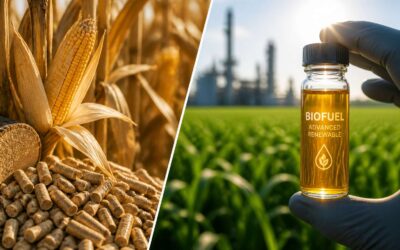
Feedstocks: from corn to algal oils, a spectrum that underpins resilient pathways.
- Corn (maize) and other cereals for ethanol blends
- Sugarcane and molasses for fermentation fuels
- Used cooking oil and fats for renewable diesel or biodiesel
- Canola/rapeseed and soybean oils for esters
- Algal oils and other non-edible sources for advanced fuels
Selection hinges on yield, regional availability, water and fertilizer inputs, and lifecycle emissions.
Life cycle emissions and sustainability metrics – GHG reductions, LCAs, and certification frameworks.
Across the transport sector, biofuels for transportation can slash lifecycle emissions by up to 60% when the feed is right. Production shapes the heartbeat of clean mobility—fermentation vats and hydroprocessing towers turning sun and waste into fuels that fit today’s engines.
Sustainability sits at the core. Lifecycle assessments weigh emissions from cultivation, processing, and transport; water use and biodiversity shape the field. I’ve seen decisions favor feeds with strong yields and modest inputs, boosting rural economies—especially in South Africa.
Feedstocks and life-cycle metrics guide choices: GHG reductions, LCAs, and certification frameworks verify sustainability across the value chain. Options span corn to algal oils, each balancing energy in, emissions out, and local impact.
- Corn (maize) for ethanol
- Sugarcane and molasses for fermentation fuels
- Used cooking oil and fats for renewable diesel or biodiesel
- Canola/rapeseed and soybean oils for esters
- Algal oils and non-edible sources for advanced fuels
Land use, water, and biodiversity considerations – Environmental impact assessment and mitigation strategies.
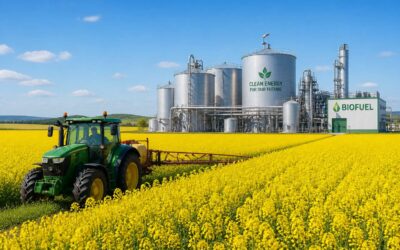
Production lines fuse fermentation vats and hydroprocessing towers, turning sun, waste, and regional ingenuity into fuels that power today’s engines. In South Africa, modular plants fit into existing hubs, weaving jobs into the fuel supply. These advances support biofuels for transportation with tangible local impact.
Sustainability sits at the core. Emission accounting across cultivation, processing, and logistics shapes where fuels are grown and moved. An environmental impact assessment guides choices to protect water and living ecosystems. Mitigation strategies include:
- Implement water recycling and efficient irrigation to curb water use.
- Diversified feedstocks and buffers to safeguard biodiversity.
- Use agroforestry and marginal lands to minimize competition with food crops.
Feedstocks for transport fuels—from sugarcane and canola to algal oils—are evaluated for land use, water footprint, and biodiversity in South Africa. Environmental impact assessment and mitigation strategies steer the selection toward resilient supply chains that support rural economies while guarding ecological balance.
Second-generation biofuels and waste-based feedstocks – Cellulosic ethanol, used oils, and waste fats as inputs.
Production for biofuels for transportation draws on second-generation chemistry—cellulosic ethanol distilled from agricultural residues, robust grasses, and woody feedstocks. Waste-based inputs, such as used oils and fats, are transformed into high-grade fuels that harmonize with today’s engines while trimming lifecycle emissions and sparing arable land.
Sustainability guides every turn in South Africa’s refinery and transport networks: the choices of feedstocks, the routes of delivery, and the stewardship of water and ecosystems shape scale and resilience. Thoughtful lifecycle assessments illuminate the path to lower emissions, and well-paced supply chains support rural livelihoods without compromising biodiversity.
Feedstocks: Second-generation and waste-based streams expand the horizon with cellulosic ethanol, used oils, and waste fats as inputs.
- Cellulosic ethanol from agricultural residues
- Used cooking oil
- Waste fats from industry
Innovation in biofuel production technologies – Biorefinery concepts, catalysts, and process improvements.
Biorefinery concepts stitch together diverse feedstocks, turning residues and used oils into fuels and valuable co-products. Advanced catalysts—solid acids and metals, plus enzymatic systems—paired with process intensification and heat recovery boost yields while slashing energy use. The result is cleaner, more reliable biofuels for transportation and a steadier feedstock map for refiners. That matters!
Sustainability is embedded in design: lifecycle thinking guides pretreatment, emissions, and water use; careful siting protects biodiversity and rural livelihoods; robust LCAs anchor certifications and investor confidence.
Feedstocks Innovation expands beyond crops to non-food residues, waste oils, and fats, unlocking circular economic models. A few levers: more flexible pretreatment, targeted catalysts for upgrading, and integrated biorefineries that co-produce power, soils, and fuels.
- Flexible pretreatment and enzyme systems
- Selective upgrading catalysts
- Co-product valorisation
Policy, Markets, and Economic Considerations
Regulatory frameworks and incentives – Blending mandates, subsidies, and sustainability criteria.
In South Africa, policy signals guide investors and farmers alike. The promise of biofuels for transportation has moved from suggestion to strategy as authorities seek rural jobs, energy security, and cleaner skies. The policy mix can turn feedstocks into reliable fuels and markets.
Regulatory frameworks and incentives steer capital and pace. Blending mandates, subsidies, and sustainability criteria are key levers that keep industry moving while guarding against unintended emissions. Consider these elements:
- Blending mandates that set target shares of biofuels in the transport fuel mix
- Subsidies or tax incentives to offset capital and feedstock costs
- Sustainability criteria and certification schemes to ensure real life-cycle benefits
Markets respond to policy and price signals, with rural communities gaining when local feedstocks feed regional supply chains. Economic considerations include feedstock costs, parity with fossil fuels, currency risk, logistics, and the potential for jobs across farming and processing.
Market dynamics and price volatility – Feedstock costs, policy signals, and demand drivers.
Policy signals in South Africa steer the route for biofuels for transportation. Blending mandates, subsidies, and sustainability criteria frame investment decisions, spur rural jobs, and help energy security. Clear rules reduce uncertainty and guide farmers and mills toward scalable, cleaner fuels, guiding our industry forward.
Markets respond to policy and price signals. When local feedstocks feed regional supply chains, communities gain; demand from fleets and retail blending grows. The result is a cycle where price signals, refinery capacity, and farm rainfall patterns influence availability and price.
Market dynamics and price volatility hinge on feedstock costs, currency swings, and logistics. Policy signals can dampen or amplify shifts, while demand drivers—from fleet modernization to rural development—shape the risk profile.
- Feedstock costs and supply resilience
- Policy signals and demand growth
Standards and certifications for sustainable biofuels – ASTM, ISO, and sustainability certification programs.
Policy certainty—backed by credible standards—acts as the quiet engine behind biofuels for transportation. ASTM and ISO set testing, blending, and lifecycle criteria to keep engines running clean and fuels compliant. Sustainability certification programs verify feedstock origin and emissions performance, not just claims.
- ASTM International standards for biofuel blends and engine compatibility
- ISO standards for life cycle assessment and sustainability management
- ISCC, Bonsucro, and other third-party sustainability schemes
Markets respond to verifiable claims. In South Africa, these standards unlock long-term supply agreements, attract financing, and open access to regional markets, while giving fleets confidence to switch to biofuels for transportation.
Policy signals align with certification. When regulators require credible sustainability, producers pursue certification to attract investment and scale operations. The result is a transparent, resilient market that supports energy security and rural development.
How transport sector stakeholders evaluate biofuel adoption – Fleet operators, manufacturers, and policymakers considerations.
Clear policy signals, underpinned by credible standards, steer decisions around biofuels for transportation. In South Africa, stakeholders scan reliability, lifecycle costs, and the ability to scale—the balance of engine compatibility with existing fleets and fueling infrastructure, and the risk and promise that accompany long-term supply agreements and regional market access.
- Fleet operators weigh reliability, maintenance costs, fuel availability, and blending compatibility with current engines.
- Manufacturers look for supply chain stability, ease of integration, and warranties that cover new fuels.
- Policymakers seek regulatory certainty, fair incentives, and clear sustainability criteria to drive investment.
Economic considerations—price volatility, feedstock costs, and financing terms—shape adoption, especially where this shift can unlock rural development and energy security in South Africa.


0 Comments