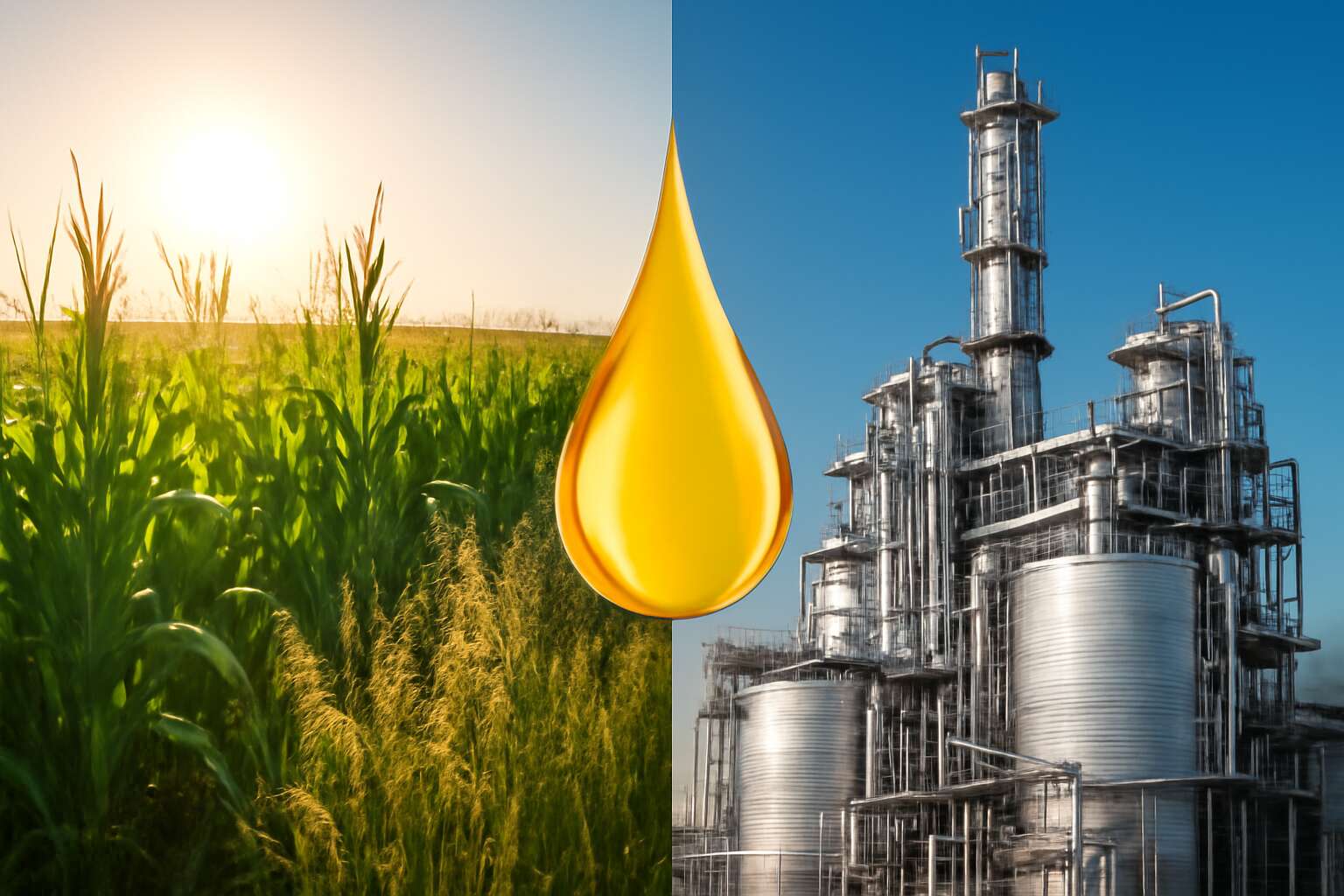
Biofuels Renewable Status and Sustainability
Biofuels basics and production
Clean energy is not a rumor here in South Africa—it’s a field turning green dreams into measurable outcomes. In markets where policy and farmers cross paths, a field can quietly power miles of travel, a compelling testament to biofuels’ promise.
The question biofuels is renewable or nonrenewable hangs on supply chains, lifecycle emissions, and land use. At its best, biofuels reduce greenhouse gases and support rural livelihoods; at its worst, they strain water, displace food, or harm ecosystems.
- Feedstock sources: sugarcane, algae, tallow, or waste oils
- Lifecycle emissions: potential reductions when efficiently managed
- Local impact: jobs and farmer resilience in SA
Biofuels basics and production hinge on conversions such as fermentation to ethanol or transesterification to biodiesel, with ongoing advances in enzymes, catalysts, and waste-to-fuel pathways. In South Africa, regional feedstocks and refining infrastructure influence what’s viable today and what could become routine tomorrow.
Factors influencing renewability
Across South Africa’s sunlit plains, biofuels stand as more than a promise—they are a calculated bet on carbon and land. Globally, biofuels can cut lifecycle emissions by up to 60% when feedstocks and processing are tightly managed, inviting both optimism and caution. In SA, the renewable status of biofuels hinges on policy alignment, feedstock choices, and water stewardship, not merely on theoretical potential.
A persistent question—biofuels is renewable or nonrenewable—emerges whenever supply chains tilt between local harvests and imported inputs. The answer rests on sustainability factors such as feedstock diversity, lifecycle emissions, and land-use pressures that shape the energy balance.
- Feedstock diversity and farmer resilience
- Lifecycle emissions and the integrity of the energy balance
- Land use, water availability, and ecosystem health
Local impact matters: jobs, rural livelihoods, and regional industry can flourish when planning includes community participation, safeguarding soil and biodiversity while plugging miles of travel into the grid. That’s energy with meaning!
Common misconceptions and reality checks
Across South Africa’s energy conversations, the question biofuels is renewable or nonrenewable keeps resurfacing with surprising clarity. Globally, lifecycle emissions can drop as much as 60% when feedstocks and processing are tightly managed; in SA, the reality is shaped by policy choices and water stewardship, not just potential.
Common myths cling to glossy headlines; reality checks include:
- Misconception: It’s a universal, all-encompassing fix.
- Reality: Benefits hinge on local feedstocks, farming practices, and scale.
- Misconception: It damages food security.
- Reality: With dedicated non-food crops and waste streams, pressure on food supply can be reduced.
Sustainability is a balance among land use, water, biodiversity, and the energy life cycle; policy fidelity and supply-chain discipline tilt the scales. The spectrum matters! The question biofuels is renewable or nonrenewable dissolves into a spectrum, where intent and practice matter as much as potential.
Policy, market dynamics, and real-world impacts
Global studies show lifecycle emissions can fall by as much as 60% when feedstocks and processing are tightly managed. In South Africa, outcomes hinge on policy fidelity and water stewardship, not just potential. The question biofuels is renewable or nonrenewable surfaces in policy debates, inviting nuance over absolutes!
Market dynamics for biofuels are shifting with policy design, feedstock governance, and demand signals.
- Policy alignment with sustainability benchmarks
- Feedstock availability and competition with food streams
- Logistics, refining capacity, and regional distribution
In real-world terms, SA communities notice benefits in rural livelihoods, water stewardship obligations, and transparent supply chains that connect farmers to fuel users. Many projects also demonstrate how policy fidelity and disciplined procurement inspire local investment.

0 Comments